Halloween II Review: A Messy, Worthy Sequel That Picks Up Seconds Later
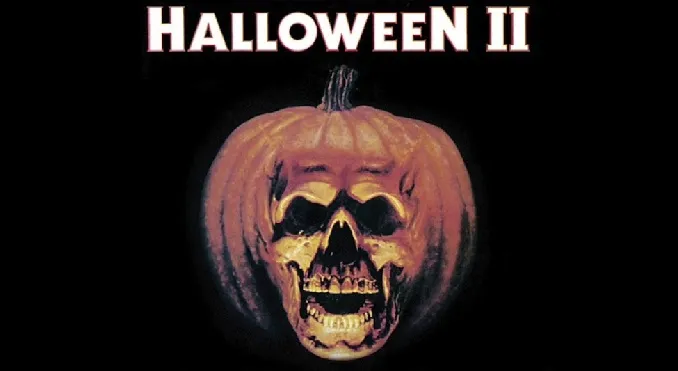
 Halloween II has one of the smartest sequel ideas in horror history, and it pulls it off before the movie has even really started: it simply continues the story from Halloween. Not years later. Not months later. Not even the next morning. Seconds later.
That still fascinates me. The original Halloween ends, Halloween II begins and suddenly we're right back in Haddonfield on the same Halloween night with Laurie Strode, Dr. Loomis and Michael Myers. Jamie Lee Curtis' hair may look different (it’s a wig), but I'll allow it.
It's a genius way to approach a sequel, especially one following a movie as enormously influential as Halloween. Instead of trying to manufacture some huge reason for everybody to return, writers John Carpenter and Debra Hill turn the sequel into the second half of one very long, very bad night. Halloween II is messier, bloodier, less visually inventive and nowhere near as minimalist as its predecessor. I still love the damn thing.
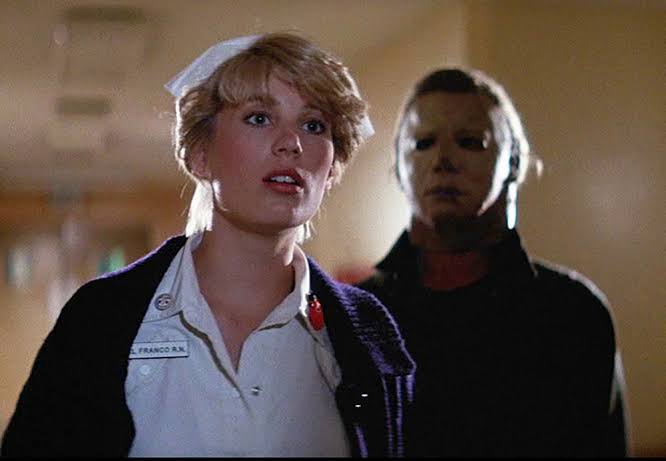
A Sequel That Refuses to Let Halloween Night End
Director Rick Rosenthal has an almost impossible assignment here. Carpenter's Halloween wasn't simply a hit that needed a sequel. It was a movie with an extraordinarily specific visual identity, one built from composition, movement, negative space and the constant possibility that Michael Myers might be standing somewhere you haven't thought to look yet.
Halloween II gets tantalizingly close to recapturing that magic in its opening stretch. Dean Cundey returns as cinematographer, and the early Steadicam work moving through Halloween night in Haddonfield is absolutely fantastic. There is something wonderfully creepy about staying out in the neighborhood after the events of the first film, watching Halloween night continue around people who don't yet fully understand what's happening. Michael moving through the neighborhood and slipping into an older couple's home is exactly the kind of atmosphere I wish the sequel had given us more often.

 Buy our I Love Horror Movies
Hoodie here!
Rosenthal can make the movie look good. He can make it eerie. What he can't consistently do is match Carpenter's visual creativity in this world. Too much of Halloween II is simply more visually boring than Halloween, which becomes especially noticeable because this is supposed to be the exact same night. The ingredients are there, including Cundey behind the camera, but the eye guiding them isn't Carpenter's.
The movie even slightly alters the material it inherits. Its recreation of the first film's ending avoids showing Michael's unmasked face, and that has always bugged me. I understand the instinct. Michael is scarier as an unknowable shape, so preserving the mystery makes sense in theory. Except that seal has already been opened. We saw his face. You can't put it back in the box three years later while pretending we didn't.
Michael Myers Gets More Mechanical
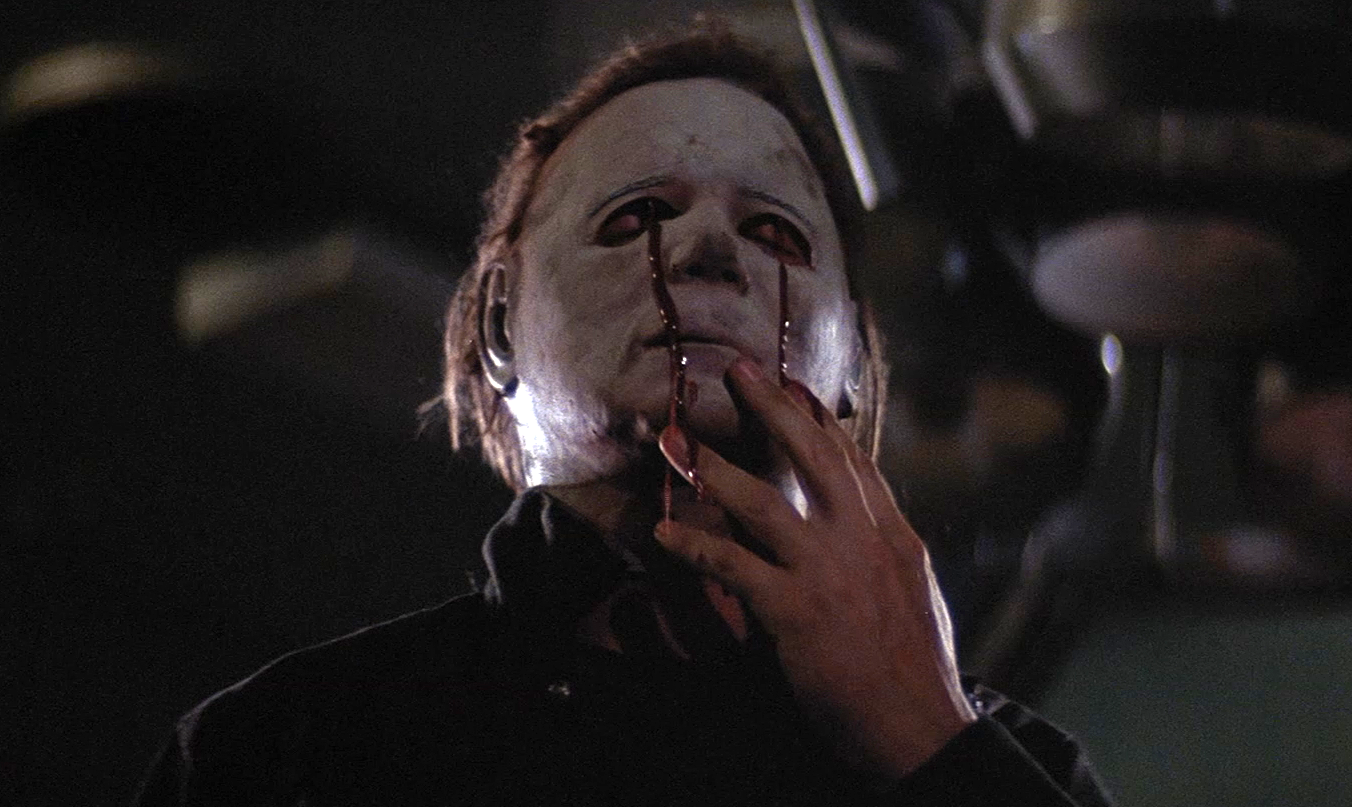
The change behind Michael's mask is just as interesting. Dick Warlock takes over as The Shape, and his Michael is more mechanical and deliberate than Nick Castle's version in the original. I like both interpretations.
Castle gave Michael an unnerving quality because there was still something strangely human in the way he moved, even as the movie steadily stripped away our ability to understand him as a normal human being. Warlock pushes him toward something colder and more machine-like. That physicality would become enormously influential on the way Michael Myers was portrayed throughout the franchise, so Halloween II isn't merely copying the original Shape. It's helping establish the version of Michael that generations of viewers would come to recognize.
Donald Pleasence, meanwhile, remains insanely committed as Dr. Loomis. If Loomis seemed obsessed in Halloween, here somebody has found the Loomis dial and cranked it to 11. It works because Pleasence never treats Loomis like he's a joke. He completely believes the urgency, the danger and the almost mythological evil he sees in Michael.
Jamie Lee Curtis necessarily has a different job this time. Laurie has just survived the events of Halloween, and Halloween II actually treats that like something that happened to her. She's injured, exhausted and traumatized, so of course she isn't immediately sprinting around Haddonfield ready for round two. It makes complete sense within the same-night structure, even if it means Laurie takes more of a backseat for stretches of the sequel.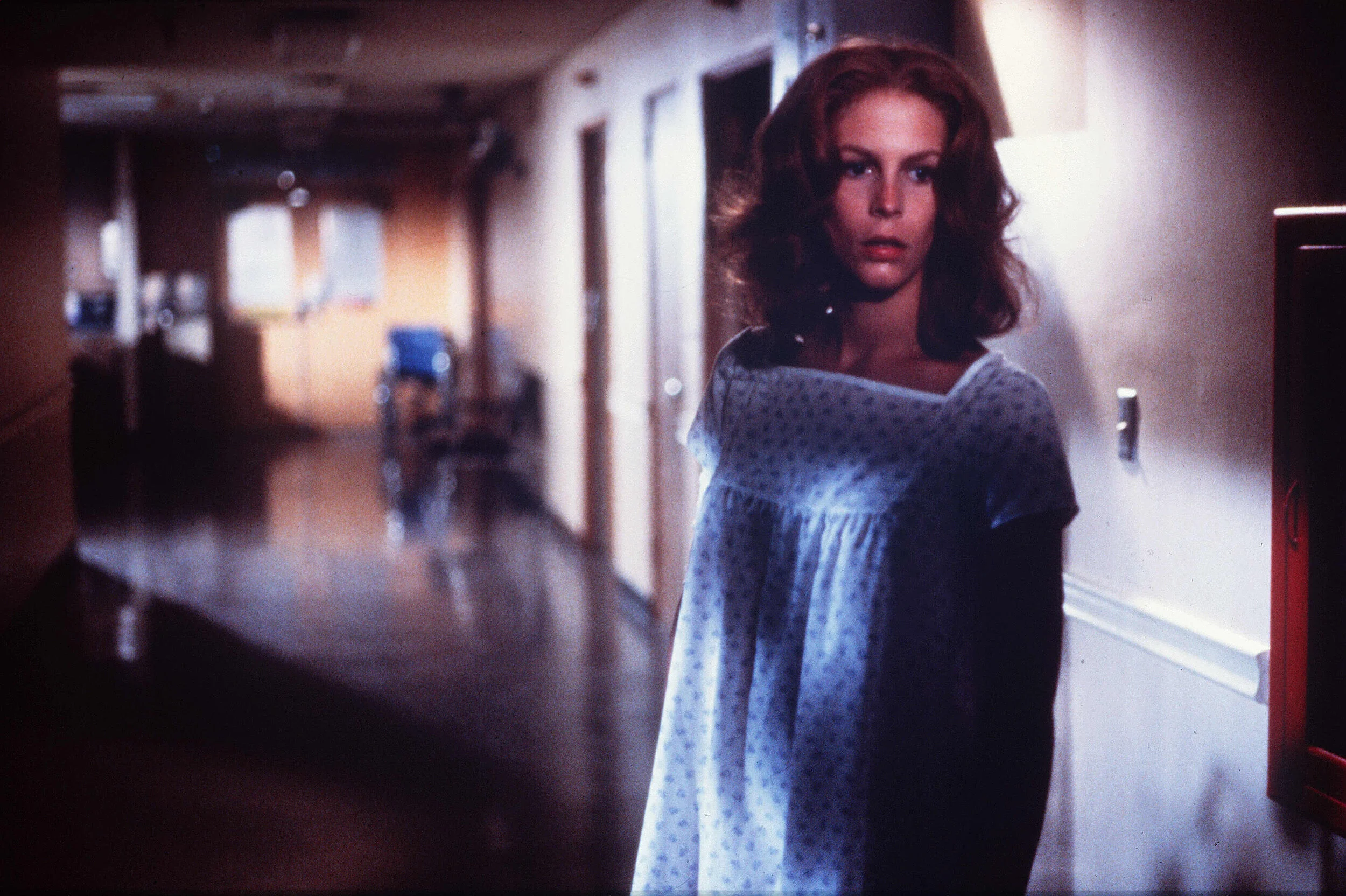
Welcome to the Most Understaffed Hospital in Illinois
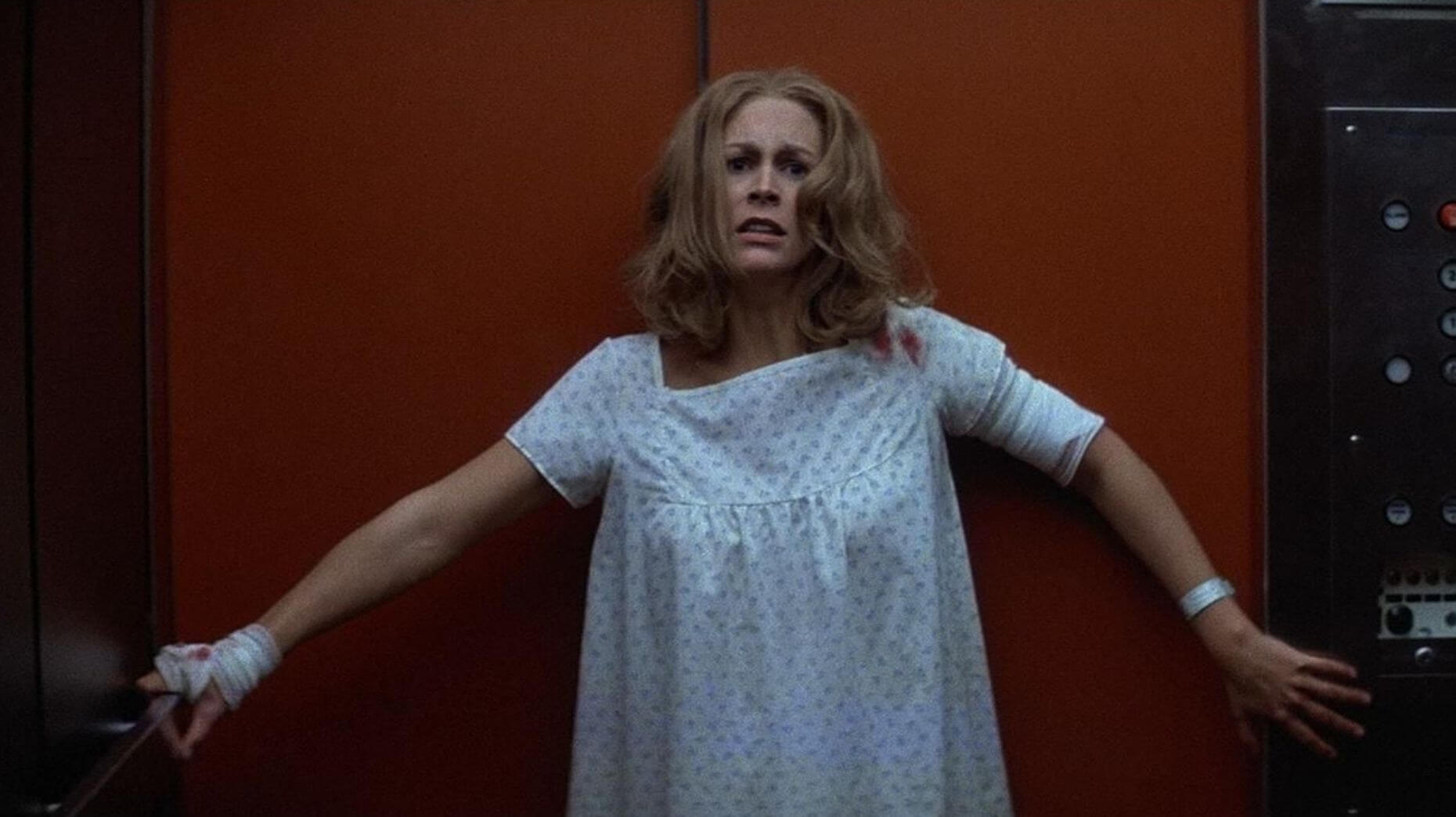
Moving most of Halloween II into Haddonfield Memorial Hospital is another choice I love. Is it apparently the most understaffed hospital known to man? Absolutely. Apparently Halloween night staffing consists of whoever happened to lose a bet that week.
But the emptiness works beautifully for a horror movie. Hospitals already have an eerie quality after hours, with fluorescent lighting, long hallways, empty rooms and machinery humming where people should be. Halloween II turns all of that into Michael Myers territory. The hospital setting gives the movie a different identity without abandoning the claustrophobic dread that made the original work.
It also gives the sequel room to become nastier.

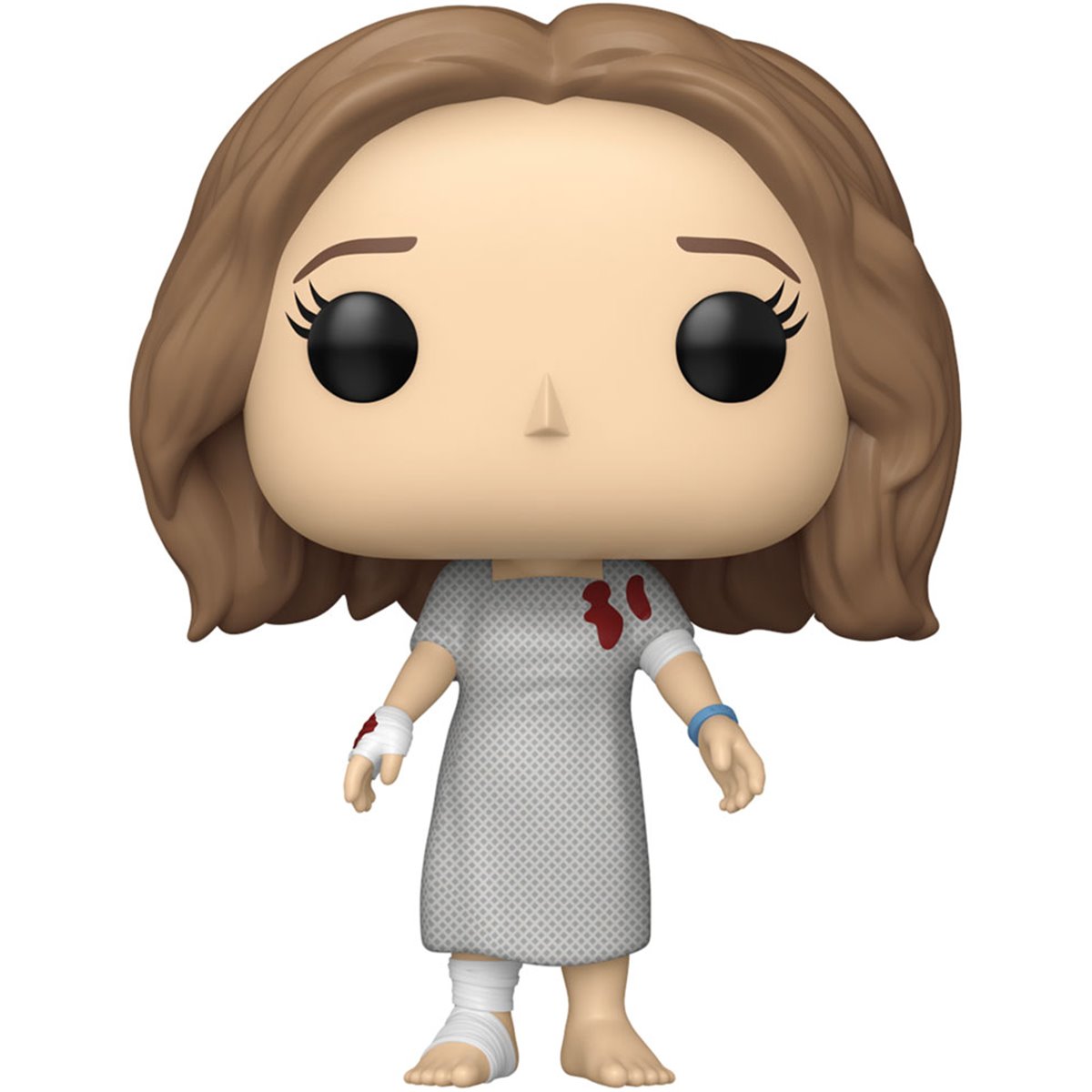 Buy Laurie Strode (Halloween II)
Funko Pop here!
By 1981, Halloween wasn't entering the same horror landscapeit helped reshape in 1978. The slasher boom was underway, and Halloween II responds by becoming considerably more graphic. In one sense, it had to keep up with the Myerses. In another, the increased violence undeniably changes the tone. Halloween often scares you through anticipation and restraint. Halloween II is much more willing to show you exactly how bad Michael's night is getting.
Fortunately, some of the kills have real creativity behind them. The hot bath sequence in particular is vicious, memorable and wonderfully nasty. Even when I miss the first film's restraint, I can't pretend the sequel's meaner streak doesn't produce some great horror moments.
And Then There's Poor Ben Tramer
There are also moments in Halloween II that are so magnificently unfortunate they become part of the franchise's charm. Poor Ben Tramer might be the king of them.
Laurie spends the original Halloween talking about wanting to go to the dance with this guy. Ben never even gets to find out. Instead, the poor bastard winds up having the kind of Halloween night that makes getting ghosted seem like a win.
You know. A Saturday.
I'm keeping this review spoiler-free, so I'll leave the specifics there, but if you've seen the movie, you already know. Justice for Ben Tramer.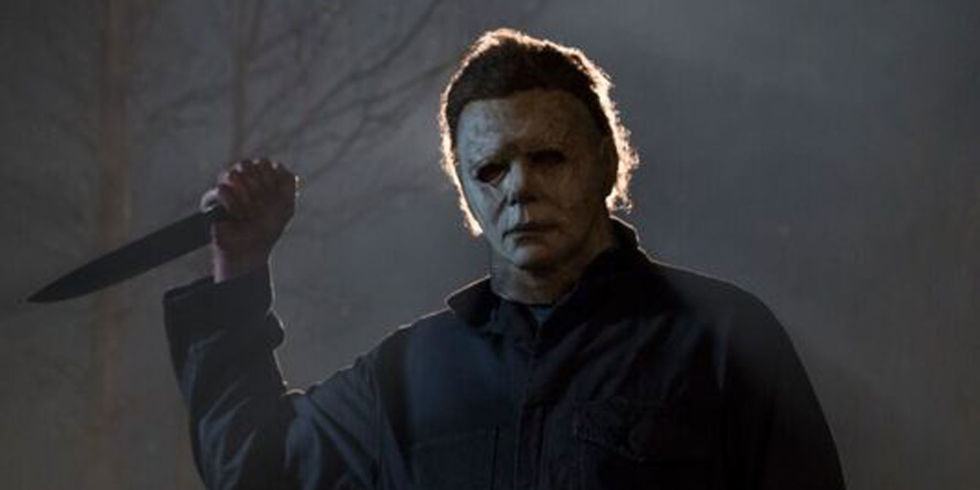
Going Deeper Into the Boogeyman
Halloween II also begins opening doors into Michael Myers mythology that the original was perfectly content to leave closed. I actually like the amount we get here. There is enough mythology to tease the possibility that something bigger is going on without completely burying Michael beneath explanations.
The problem came later. The franchise would keep returning to those doors, opening more of them, building new hallways behind them and eventually beating some of those ideas nearly to death. Watching Halloween II by itself, though, I find the expansion intriguing. It feels like a horror sequel trying to decide how much we should know about something that was frightening precisely because we knew almost nothing.
That tension extends to the music. Carpenter returned with Alan Howarth for a score that feels unmistakably more '80s than the original (which tracks since this is, you know, the 80s). It's less minimalist, just like the movie itself, but it's every bit as effective for the version of Halloween II we're watching. The sound is bigger, stranger and more synthetic (& synthy) without losing the essential musical identity of Halloween.
The Worthy, Messy First Sequel
Halloween II is never going to be Halloween, and I don't need it to be. What makes the sequel so interesting is how close it physically positions itself to the original while becoming a noticeably different movie. It begins seconds later. It brings back Curtis and Pleasence. Cundey is still shooting Haddonfield. Carpenter and Hill wrote it. Carpenter's music is still pulsing underneath it. Yet the shift in the director's chair changes the texture of everything.
That's why I've always wished I could see the version Carpenter himself would have made. I don't know exactly what he would have done differently. That's the whole reason I'd like to see it. The opening proves how much atmosphere remains available in this same Halloween night, and I can't help wondering what Carpenter's eye would have found in those streets, hallways and shadows.
What we actually have is a movie I still love, messiness and all. Halloween II expands Michael Myers, gives the franchise imagery and ideas that would help define it for decades, finds a genuinely inspired way to continue the first movie and delivers some terrific horror of its own. Its biggest problem may simply be that it spends every second standing next to one of the greatest horror movies ever made.
That's a brutal comparison for any sequel. Halloween II survives it.
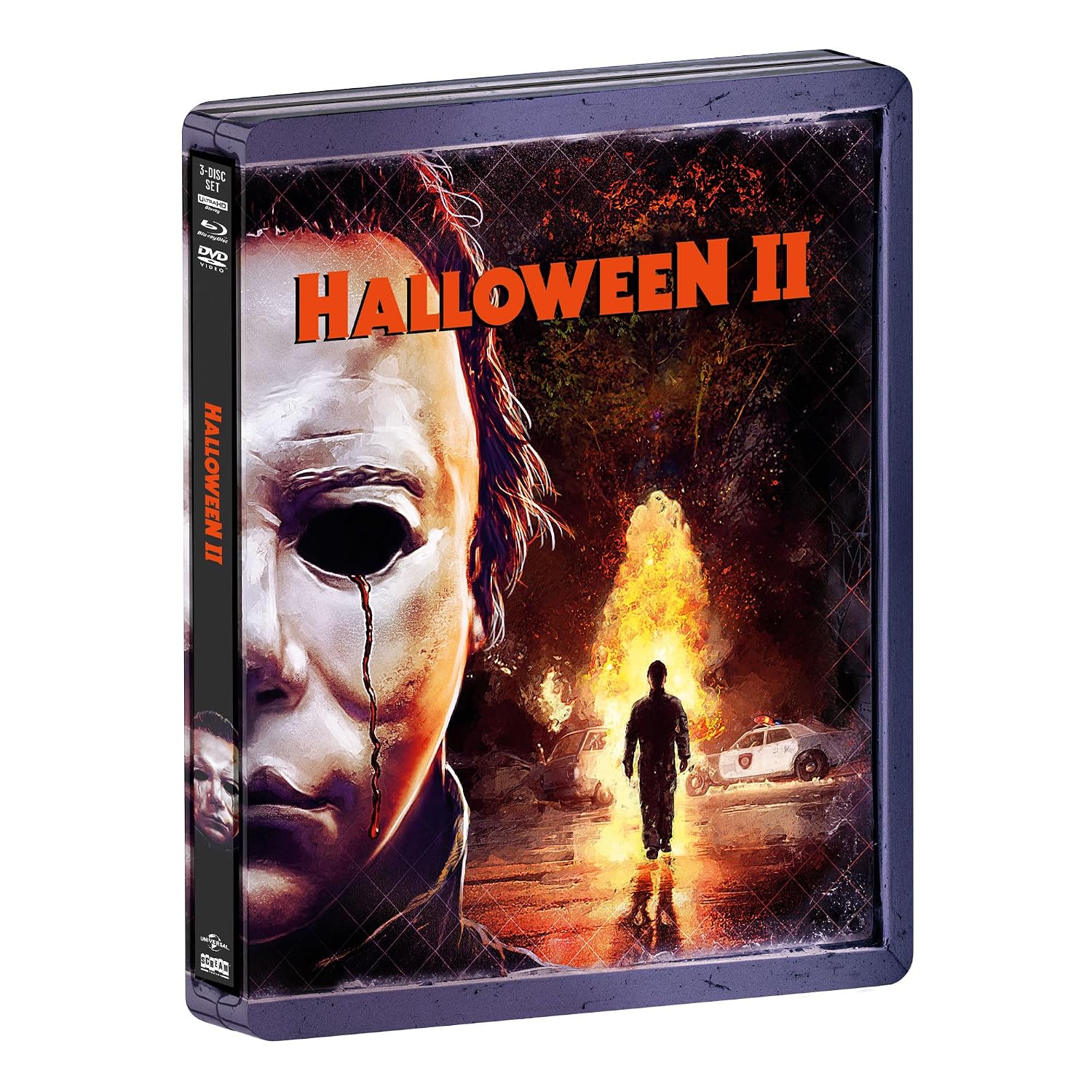 Get Halloween II (1981) 4K UHD
Blu-Ray Steelbook here!
 Halloween (1978) Review: John Carpenter's
Horror Masterpiece Still Terrifies

On Air Talent / Creator / Author / Producer
Kyle McMahon is an American television personality, radio host, journalist, actor, singer and songwriter. He is known for appearing in Oprah's Lifeclass, the Oscar winning film Selma, hosting Pop Culture Weekly with Kyle McMahon on iHeart Radio and touring with LFO and O-Town.

All the Movies, Shows & Specials Coming to 4K UHD & Blu-ray in October 2026
 Apple Podcasts
  YouTube
  Spotify
  iHeartRadio
  Audible
  Amazon Music
  JioSaavn
  Spreaker
  RSS Feed