The Ultimate Guide to Madonna’s Confessions II
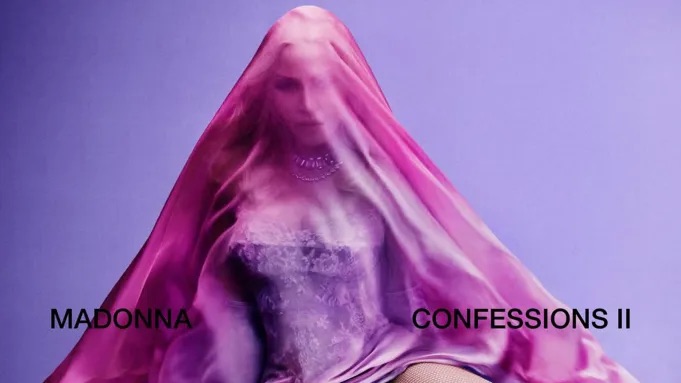
The Queen of Pop is releasing a spiritual sequel to her iconic 2005 masterpiece. We cover it all in the Ultimate Guide to Madonna's Confessions II.
Some albums get sequels. Most don’t. And honestly, that’s probably for the best.
Nobody was sitting around wondering when we’d finally get Jagged Little Pill 2: The Pillening or Rumours Again. Certain albums become lightning in a bottle. A perfect collision of timing, artistry, culture and a little bit of pop music magic that simply can’t be recreated.
And then there’s Madonna's Confessions on a Dance Floor.
Released in 2005, the album didn’t just extend Madonna’s commercial dominance, it reminded the world that nobody understood reinvention quite like the Queen of Pop. Fueled by Stuart Price’s seamless co-production, an unapologetic love letter to dance music and the unstoppable force that was “Hung Up,” Confessions on a Dance Floor became one of the defining pop albums of the 21st century.
For years, fans dreamed about what a sequel might sound like. The vast majority assumed it would never happen. Then Madonna started dropping hints.
Photos from the studio appeared. Cryptic captions & hashtags surfaced. Stuart Price was suddenly back in the picture. The phrase “Confessions Part 2” started showing up often enough that fans began doing what Madonna fans do best: wildly speculating while pretending they weren’t.
And then...it happened.
More than two decades after the original album transformed dance floors around the world into glitter-covered religious experiences, Madonna officially announced Confessions II.
And now, one of the most anticipated albums of her entire career is almost here.
From its origins and collaborators to the music, visuals, film project, surprise performances, celebrity cameos and everything we know so far, this is the ultimate guide to Madonna’s Confessions II.
Grab your pink leotard.
We’re going back to the dance floor, motherf*ckers!
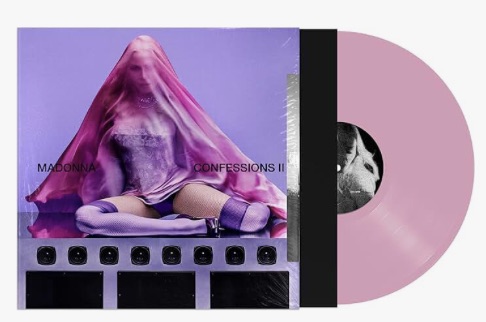 Click here to buy Madonna, Confessions II on Vinyl!
Why Madonna Decided To Make Confessions II
For most every artist, making a sequel to one of the most beloved albums of their career would be terrifying.
For Madonna, that’s just a Tuesday.
If there’s one thing Madonna has never been particularly interested in, it’s playing it safe. Over the course of more than four decades, she’s changed musical styles, visual aesthetics, personas, producers, genres and more than a few times, the entire direction of pop culture itself. Just when audiences think they’ve figured out what she’s going to do next, there she is in the opposite direction.
Which is exactly why the idea of a direct sequel to Confessions on a Dance Floor felt so unlikely for so long.
Madonna has never been an artist who spends much time looking backward. Nostalgia has never really been her thing. Even during tours built around celebrating her catalog, she’s usually more interested in reinterpreting the past than recreating it.
And yet, over the last several years, something interesting started happening.
A new generation discovered Confessions on a Dance Floor.
Songs like “Hung Up,” “Sorry,” and “Jump” found fresh life on streaming platforms and social media. Longtime fans continued celebrating the album as one of the strongest releases of Madonna’s entire career. Younger listeners who weren’t even alive when the album was released began discovering what many fans had known all along: Confessions on a Dance Floor wasn’t just a great Madonna album - it was one of the great pop albums, period.
And then came The Celebration Tour.
More than just a retrospective, the massive global tour served as a reminder of Madonna’s unparalleled catalog and cultural impact. Night after night, audiences responded with the kind of enthusiasm usually reserved for legacy acts at farewell tours.
The difference, of course, was that Madonna wasn’t saying goodbye.
She was taking notes.
Throughout the tour and in the months that followed, Madonna increasingly hinted at new music. More importantly, she hinted at something fans had been requesting for years: a return to the dance floor.
Not just dance music.
That dance music.
The euphoric, disco-infused, emotionally charged sound that defined Confessions on a Dance Floor.
And the biggest clue of all finally jumped out: Stuart Price.
The producer whose fingerprints were all over the original Confessions era was back as musical director, this time for The Celebration Tour. It had been nearly 20 years since they had last worked together, when Price was the musical director of The Confessions Tour. And as The Celebration Tour wrapped, Stuart Price was all over Madonna’s orbit once again. Studio sessions were teased. Photos emerged. References to new music became more frequent. Fans immediately started connecting the dots.
To be fair, Madonna fans connect dots that don’t even exist sometimes. But this time however, we were right - thank you very much!
What began as whispers eventually became confirmation. Madonna wasn’t simply making another dance album. She was revisiting one of the most celebrated creative partnerships of her career and building something directly connected to one of her most beloved records.
The announcement of Confessions II wasn’t just exciting because it meant new music was coming.
It was exciting because it represented something Madonna almost never does: A return. That's not a retreat into nostalgia. It's not an attempt to recreate the past. It's a conversation with it.
The original Confessions on a Dance Floor captured Madonna at a specific moment in her life and career. Twenty-one years later, Confessions II offers the opportunity to see what happens when the same artist, carrying decades of additional experience, success, heartbreak, reinvention, and wisdom, returns to the dance floor once again.
And if Madonna’s career has taught us anything, it’s that returning to familiar territory doesn’t mean standing still.
It usually means she’s about to surprise everyone.
The Road to Confessions II: Every Hint, Tease and Announcement
One of the things Madonna has mastered over the years, right alongside pop music itself, controversy, reinvention and somehow remaining the center of cultural conversation for four plus straight decades - is the art of anticipation.
She rarely just announces something. She lets it simmer. A photo here. A cryptic caption there.
An instrumental studio clip that lasts approximately three seconds but somehow launches twelve thousand fan theories.
The journey to Confessions II followed that same blueprint.
Long before there was an official title, release date, album cover or confirmed track list, there were clues.
And Madonna fans did what Madonna fans have always done: they investigated those clues with the dedication of federal agents and the sleep schedule of conspiracy theorists.
The first major signs appeared as Madonna began sharing glimpses from recording sessions on social media. While teasing new music isn’t exactly unusual for her, one detail immediately stood out.
Stuart Price was back.
For longtime fans, that name alone was enough to set off alarms - in the best possible way.
Price wasn’t just another producer from Madonna’s past. He was the primary co-architect behind Confessions on a Dance Floor, helping shape the album’s seamless mix of disco, electronic music, house influences and pure pop perfection. Seeing the two working together again immediately fueled speculation that something larger was happening.
At first, fans assumed Madonna was simply making another dance record.
Then the hints became more specific. There were references to “Confessions.” There were comments suggesting a continuation rather than a reinvention. There were posts that seemed designed to remind audiences of the 2005 era without outright saying why.
The speculation only intensified.
Was Madonna revisiting that sound? Was she re-recording material? Was she doing something for the long gestating movie / series? A remix project? A tour film for The Celebration Tour? (Still waiting on that, btw).
At that point, nobody knew. Including, depending on the day, perhaps Madonna herself.
As months passed, studio updates continued appearing online. Collaborators came and went. New faces appeared in photographs. Industry insiders began quietly mentioning a major dance-oriented project. Fan communities dissected every available piece of information with the intensity usually reserved for presidential elections.
Then came the phrase that changed everything.
“Confessions Part 2.”
Whether spoken directly, hinted at or strategically referenced, the idea of a true sequel suddenly stopped feeling impossible when she made the announcement on Instagram on April 15, 2026.
For years, fans had joked about wanting a follow-up to Confessions on a Dance Floor. Now it appeared Madonna might actually be considering it.
The excitement wasn’t just about nostalgia, it was about timing.
Dance music had changed dramatically since 2005. Pop music had changed dramatically since 2005. The friggin world had changed dramatically since 2005.
The idea of Madonna revisiting one of her most beloved creative eras through the lens of twenty additional years of life experience was genuinely fascinating.
And eventually, the teasing gave way to confirmation: The project was real and the sequel was happening.
And suddenly every new appearance, interview, social media post and performance became part of the rollout. What had started as scattered clues evolved into one of the most closely watched album campaigns of Madonna’s career.
This wasn’t just another Madonna album, friends. It wasn’t even just another comeback. It was the return of a specific and beloved era. An era that many fans consider the pinnacle of her 21st-century output.
The challenge now wasn’t convincing people to care. The challenge was living up to two decades of expectation. And if there’s one thing Madonna has never lacked, it’s confidence in her ability to do exactly that.
Stuart Price: The Co-Architect Returns
Every great pop album has a secret ingredient. Sometimes it’s the songwriting. Sometimes it’s the timing. Sometimes it’s an artist catching lightning in a bottle at exactly the right moment. And sometimes it’s a producer who understands the artist so well that they seem capable of translating ideas directly from their brain into speakers.
For Confessions on a Dance Floor, that producer was Stuart Price.
While Madonna has worked with an incredible list of collaborators throughout her career - from Nile Rodgers and Patrick Leonard to William Orbit and Mirwais - Price occupies a unique place in her creative history.
He wasn’t simply producing tracks with Madonna. He was helping her to build an entire world.
The original Confessions on a Dance Floor felt different from every major pop release of its era. Songs flowed into one another. Disco influences collided with contemporary electronic music. Massive hooks existed alongside intricate production details. It felt equally at home in a nightclub, a stadium or blasting through a pair of headphones at two in the morning while making questionable life decisions.
That’s harder to pull off than it sounds.
But Price helped to make it look easy.
The chemistry between artist and producer was immediate and undeniable. Together, Madonna and Price crafted an album that earned critical acclaim, commercial success, Grammy recognition and a permanent place among the strongest releases in Madonna’s catalog.
So when fans learned Price was once again working with Madonna, the reaction was explosive - Hope! Excitement! Possibly a few tears! Maybe all three simultaneously. Bringing Stuart Price back wasn’t just about recreating a sound. It was about recreating a creative environment.
One of the biggest misconceptions surrounding Confessions II is the idea that Madonna and Price are simply trying to remake the 2005 album.
But nothing about either artist’s career suggests that’s the goal.
Price has spent the past two decades continuing to evolve as a producer and songwriter. Electronic music itself has transformed dramatically since the mid-2000s. Entire genres have emerged, exploded in popularity and disappeared again. Dance music has become more global, more diverse and more influential than ever before.
Meanwhile, Madonna remains Madonna.
Meaning she’s less interested in revisiting the past than she is in asking what happens next.
The real appeal of the reunion isn’t hearing the exact same sounds audiences heard in 2005. It’s hearing what these two artists create together in 2026.
What does a modern Madonna dance record sound like How does Stuart Price approach a sequel to one of his most celebrated works? Can lightning strike twice? Those questions sit at the center of Confessions II.
And based on everything we've heard so far, Madonna and Price appear determined to avoid the easiest path.
They’re not trying to recreate a moment, they’re trying to continue a conversation that began more than two decades ago. Which may ultimately be the smartest decision they could make. After all, nobody needs another Confessions on a Dance Floor. That album already exists and it's perfect from start to finish.
What fans want is something far more interesting - they want to hear what comes after. And for the first time in twenty-one years, Madonna and Stuart Price finally have an answer.
The Sound of Confessions II
The biggest question surrounding Confessions II isn’t whether fans are excited. That part was settled the moment Madonna confirmed the project existed. The real question is much more complicated.
What exactly does a sequel to one of the most beloved dance-pop albums ever made sound like?
Because tbh, making a follow-up to Confessions on a Dance Floor is a lot like announcing you’re painting a sequel to the Mona Lisa. People are going to have opinions. Like, a LOT of them. And they are absolutely going to tell you about those opinions online.
The original album arrived during a very specific moment in pop music history. Disco influences were resurging in the underground dance scene. Electronic music was inching its way towards the mainstream. Dance floors still served as cultural gathering places rather than content creation studios.
The world of 2026 looks very different.
Streaming dominates music consumption. TikTok can launch a song into the stratosphere overnight. Genres blend together more freely than ever before. Artists pull inspiration from every corner of the globe. Yet based on everything revealed so far, Confessions II appears determined to preserve the spirit of the original album while embracing the realities of modern dance music.
Early previews, the released tracks and the live performances so far suggest a project built around movement, joy, escapism, introspective confessions and emotional release - the same core qualities that made the original album resonate so strongly with listeners around the world. There are echoes of disco and dives into house music. There's modern electronic production and big choruses. There's huge rhythms. And probably most importantly, there's a sense of fun.
And while that might sound like a small thing - It isn’t.
One of the reasons Confessions on a Dance Floor remains so beloved is because it felt genuinely joyful. Even its more reflective moments carried a sense of liberation. The album understood something that great dance music often understands: people don’t dance because life is perfect. People dance because sometimes life isn’t.
The songs emerging from Confessions II seem to embrace that same philosophy.
They’re designed for movement and connection. They're designed for celebration and for release. And while comparisons to the original album are inevitable, the early material suggests Madonna isn’t trying to outrun those comparisons.
She’s acknowledging them. She's leaning into them, just a little bit. She's taking the core of Confessions on a Dance Floor and then taking the music somewhere new.
Which is exactly what a sequel should do.
Every Song on Confessions II
For years, the existence of Confessions II felt like the kind of thing Madonna fans discussed between tour announcements and elaborate theories about unreleased songs. But now, it’s very very real.
And with every new track that emerges, the picture of what Madonna is building becomes a little clearer.
While the complete story of Confessions II won’t be known until listeners can experience the album from beginning to end, several songs have already become central to the conversation surrounding the project.
Some arrived through live performances (Bring Your Love, Love Sensation). Others through previews and promotional material. Each one offers a glimpse into the next chapter of Madonna’s dance-floor legacy.
I Feel So Free
If there is a mission statement for Confessions II, it might be “I Feel So Free”.
Released as the first promotional track - and the first taste of the entire era - I Feel So Free premiered on iHeartRadio's Pride Radio on April 17, 2026 and immediately delighted fans and critics alike.
From the moment fans first heard the song, it immediately felt connected to the emotional DNA of the original Confessions era. Not because it sounded identical - It doesn't at all. But, because it captured a similar feeling.
Freedom has always been one of the defining themes throughout Madonna’s career. Whether she’s singing about self-expression, sexuality, identity, spirituality or personal reinvention, the idea of liberation repeatedly appears throughout her work.
That’s especially true in her dance music.
The dance floor has long functioned as a metaphor in Madonna’s music. It’s never just a place where people dance. It’s a place where people become who they are.
“I Feel So Free” continues that tradition beautifully.
The song’s uplifting energy, euphoric atmosphere and emphasis on personal release make it one of the clearest examples yet of how Confessions II intends to connect with the spirit of its predecessor while still feeling contemporary.
The release of I Feel So Free was also the moment the project stopped feeling hypothetical. This wasn’t merely a sequel in name. This was a continuation of an emotional journey - a spiritual successor, not a cookie cutter sequel.
And as a fun Easter Egg, much of the spoken word segments of I Feel So Free are newly recorded vocals from a behind the scenes video Madonna did in 2021 for an interview with V Magazine called "Private Affair".
Bring Your Love
Every Madonna era eventually produces a moment that dominates conversation.
For Confessions II, that moment arrived when fans learned that one of the album’s most talked-about tracks would feature Sabrina Carpenter and then they debuted the song on stage when Madonna made a surprise appearance at Sabrina's Coachella show.
And on paper, the collaboration makes perfect sense. Watching it live, you can see why the crowd went wild and the internet nearly melted down.
Madonna has spent her entire career identifying emerging talent, embracing new generations of artists and finding ways to remain connected to the evolving landscape of popular music.
Sabrina Carpenter represents one of the defining pop stars of her generation. Madonna represents one of the defining pop stars of every generation. You put them together and people are going to pay attention.
Beyond the headline making nature of the collaboration itself, “Bring Your Love” serves as an interesting bridge between different eras of pop music. It connects an artist who helped define modern pop stardom with one currently experiencing her own meteoric rise.
The result was one of the most anticipated songs on the album. Not simply because of who’s singing it, but ecause of what it represents.
A passing of the torch? Nope. Madonna has never been particularly interested in handing over the crown.
But sharing the dance floor? That seems much more her style.
And that's why Bring Your Love was released as the first single from the album. The House flavored single, released April 30, 2026, was immediately added to radio and streaming playlists around the world, hitting #1 on numerous countries iTunes Charts and hitting playlists on the major streaming services. It became Madonna's 59th Billboard Hot 100 hit and was the highest debuting entry of the week. BBC's Radio 1 added the song to their rotation, ending a nearly 25 year freeze out of Madonna.
Bring Your Love did its job beautifully. It made a massively loud statement and announced to the world that the Queen was back on the dance floor.
Love Sensation
Released as the second promotional single from Confessions II on June 4, 2026, Love Sensation has been praised by fans and critics alike for its shimmery, Summery groove. Written and produced by Madonna and Price, it's already become a fan favorite and is doing extremely well on streaming.
Which makes sense, as few song titles feel more perfectly suited to a Confessions album than “Love Sensation”.
Even before listeners heard a note of music, the title evoked images of disco balls, crowded dance floors, flashing lights and the kind of euphoric emotional release that has powered dance music for generations.
That connection feels very intentional.
One of the recurring themes emerging from Confessions II is the idea that joy itself can be transformative. While many artists chase trends, Madonna often returns to bigger emotional ideas - love, freedom, identity, connection, survival. Dance music simply becomes the vehicle for those ideas.
“Love Sensation” is positioned squarely within that tradition.
The title alone suggests a celebration of one of dance music’s oldest and most enduring subjects: the ability of music, movement and human connection to create moments that feel larger than ourselves. In the case of Love Sensation, those moments are connected to someone she clearly loves.
And its presence - and it's message - on the album feels entirely appropriate. After all, this is Confessions II. And love has always been one of Madonna’s favorite things to confess.
Confessions II Track List (Standard Edition)
There are two versions of the album coming on July 3, 2026. The 12 track standard edition and the 16 track expanded edition. Why? Because f*ck it, that's why. And we know that, like the first Confessions, it will be a non-stop continuous mix.
- I Feel So Free
- Good for the Soul
- One Step Away
- Bring Your Love
- Danceteria
- Read My Lips
- Everything
- Love Without Words
- Bizarre
- School
- Fragile
- My Sins Are My Savior
Confessions II Track List (Expanded Edition)
- I Feel So Free
- Good For The Soul
- One Step Away
- Bring Your Love
- Danceteria
- Read My Lips
- Everything
- Love Sensation
- Love Without Words
- Bizarre
- School
- Fragile
- My Sins Are My Savior
- Betrayal
- The Test
- L.E.S. Girl
And because it's 2026 and the music industry now requires you to release numerous album variants and vinyl variants and colored variants, there are a number of options to choose from when picking up your copy (or copies) of Confessions II. In fact, I made a whole blog post on Confessions II - Every Vinyl, Album, CD & Variant Available. There's a lot of really great ones and because I can't control myself, I got most of them.
Confessions II: The Film
Leave it to Madonna to turn what could have been a straightforward album rollout into a full-blown multimedia event.
Most artists announce an album, release a single, drop a music video, do a handful of interviews, and call it a day. Madonna has spent the better part of four decades proving that she’s not most artists. Every major Madonna era feels like its own universe, complete with a visual language, a distinct point of view, and enough memorable imagery to fuel fan discussions for years.
That’s exactly what makes Confessions II: The Film such an important part of this project.
Rather than serving as a simple promotional tool, the film expands the world of Confessions II. It takes the themes explored throughout the music and gives them a visual counterpart, creating an experience that feels larger than the album itself. In many ways, it’s a continuation of something Madonna has always done exceptionally well: treating pop music as an art form that exists across multiple mediums rather than confining it to a collection of songs.
For longtime fans, that approach feels familiar. Some of Madonna’s most iconic work has come from the intersection of music, fashion, film, photography, and performance. The songs may be the foundation, but the visuals help transform an album into an era.
The film appears designed to do exactly that.
While the original Confessions on a Dance Floor often felt cinematic through its music alone, Confessions II embraces that concept more directly. The project combines performance, fashion, storytelling, and celebrity appearances into something that feels closer to an event than a traditional music video release.
And because this is Madonna, the cast list quickly became part of the story.
Familiar Faces and Unexpected Guests
One of the more fascinating aspects of Madonna’s career is the way different generations of artists continue to orbit around her work.
The film includes appearances from a variety of recognizable faces, helping reinforce the idea that Confessions II isn’t simply about revisiting the past. It’s about connecting different eras of pop culture through a shared celebration of music, fashion, and self-expression.
Among the most talked-about participants is Sabrina Carpenter, whose presence feels particularly fitting given her role in the album itself. Carpenter has become one of the defining young pop stars of the current generation, while Madonna remains one of the defining pop stars of any generation. Bringing them together creates a symbolic bridge between different eras of popular music without feeling forced or overly sentimental.
The film also features Julia Garner, whose name has become closely associated with Madonna projects thanks to her involvement in the long-discussed Madonna biopic. Naturally, her appearance sparked immediate speculation among fans, many of whom can turn a three-second cameo into a forty-seven-post Reddit theory thread before breakfast.
To be fair, they’re often right.
Other appearances throughout the film help create the feeling that Confessions II is larger than a single album cycle. It feels like a gathering of artists, performers, and cultural figures coming together to celebrate an idea that has always existed at the center of Madonna’s work: freedom through self-expression.
Why Confessions II: The Film Matters
It would be easy to view Confessions II: The Film as an ambitious marketing campaign. That’s certainly part of it.
But reducing the project to marketing alone overlooks something important about Madonna’s career. She has always understood that people connect with music through emotion, imagery, community and storytelling just as much as they do through sound.
The film helps establish the visual identity of the era. It gives fans imagery that will forever be connected to these songs. It deepens the themes explored throughout the album and provides another entry point into the world Madonna is creating.
Most importantly, it reinforces one of the reasons Madonna has remained culturally relevant for so long.
She doesn’t simply release albums.
She creates moments.
And whether audiences ultimately view Confessions II as a worthy successor to its legendary predecessor or as something entirely different, the film ensures that this era will be remembered as more than just another album release.
Like nearly all of Madonna projects, it’s an experience.
The Visual Aesthetic: Glitter, Glamour and Reinvention
Every great Madonna era has a look.
Actually, in Madonna’s case, it’s usually several looks, multiple hairstyles, at least one fashion trend that everyone copies and a handful of images that become permanently embedded in pop culture history.
From the lace and crucifix imagery of the 1980s to the glamour of True Blue, the spiritual mysticism of Ray of Light, the Country Western influences of Music, the iconic eye patch for Madame X and the disco-inspired world of Confessions on a Dance Floor, Madonna has always understood that visuals matter. People don’t simply listen to music. They experience it.
That’s especially true when it comes to the Confessions era.
The original album arrived wrapped in a distinctive visual identity built around dance culture, disco influences, vibrant colors and an unapologetic celebration of movement. The imagery became almost as recognizable as the music itself.
When fans first learned that Confessions II was happening, one of the biggest questions wasn’t about the songs....It was about the look.
Would Madonna attempt to recreate the original aesthetic? Would she modernize it? Would she ignore it altogether and head in a completely unexpected direction?
The answer appears to be somewhere in the middle.
Rather than simply recreating the iconic visuals of 2005, Confessions II seems interested in building upon them. Familiar elements remain present throughout the era, but they’re filtered through the perspective of an artist who has spent another two decades evolving creatively. The result feels less like a nostalgic tribute and more like a natural progression.
Disco influences remain peppered throughout the imagery, but they’re paired with contemporary fashion and modern visual design. The vibrant colors associated with the original era continue to appear, yet the overall presentation often feels more mature and reflective.
That’s fitting when you think about what this album represents.
The original Confessions on a Dance Floor captured Madonna at a specific moment in her life and career. Confessions II revisits those themes from the perspective of an artist who has accumulated another twenty-one years of experience, success, setbacks, reinvention and personal growth.
The visuals acknowledge that passage of time without treating it as something negative. In fact, they really seem to celebrate it.
One of the most refreshing aspects of the era is its rejection of the idea that joy belongs exclusively to young people. Popular culture has a habit of acting as though dancing, self-expression, nightlife, reinvention and freedom have expiration dates attached to them.
Madonna has spent most of her career arguing - and proving - otherwise.
The imagery surrounding Confessions II continues that argument. And the message is simple:
You don’t age out of joy. You don’t age out of reinvention. And you certainly don’t age out of the dance floor.
If anything, Madonna seems more determined than ever to prove it. And prove it, she does.
Building the Confessions II Era: How Madonna Turned an Album Rollout Into an Event
If there’s one thing Madonna has never been particularly interested in, it’s following the standard rules of album promotion.
Most artists announce a record, release a single, make the rounds on television and social media and spend a few months reminding people that an album is coming. Madonna has always approached things differently. Throughout her career, album campaigns have felt less like marketing plans and more like cultural events, with each appearance, performance, interview and visual reveal becoming part of a much larger story.
That’s exactly how the rollout for Confessions II has unfolded.
Rather than dropping a surprise album and disappearing, Madonna spent months building anticipation through carefully timed performances, high-profile appearances, strategic partnerships and a visual companion film. By the time the album finally arrives, fans won’t simply feel like they’ve been waiting for new music. They’ll feel like they’ve already been living inside the era for months.
Coachella and Sabrina Carpenter
One of the first major moments of the Confessions II era came during Coachella, where Madonna joined Sabrina Carpenter on stage for a surprise appearance that immediately became the festival’s most talked-about moment.
On the surface, it was exactly the kind of thing social media loves: two generations of pop stars sharing a stage in front of tens of thousands of screaming fans. But the performance felt significant for reasons beyond the headlines. Carpenter’s involvement in the Confessions II project had already generated excitement among fans, and seeing the two artists together helped establish one of the recurring themes of the era: the connection between Madonna’s legacy and the artists currently dominating pop music.
For decades, Madonna has influenced every major female pop star who followed her. Seeing her perform alongside one of the biggest stars of a younger generation served as a reminder that her impact isn’t confined to music history - it’s still happening in real time.
The appearance also introduced Confessions II to a broader audience. While Madonna fans had been tracking every studio update and social media teaser for months, Coachella placed the project directly in front of millions of viewers who may not have been paying attention to the album’s development.
Turning Times Square Into a Dance Floor
Madonna has spent much of her career proving that almost any location can become a stage if you’re bold enough.
For the Confessions II campaign, that philosophy led directly to Times Square.
The surprise performance transformed one of the busiest intersections in the world into a giant dance floor and instantly produced some of the most memorable images of the album rollout. Fans packed the area, videos flooded social media and within hours the event had become one of the defining promotional moments of the entire era.
What made the performance particularly effective was how perfectly it aligned with the themes surrounding the album. The original Confessions on a Dance Floor celebrated freedom, movement, connection and the communal experience of music. Bringing those ideas into the middle of Manhattan allowed Madonna to create a real-world version of the atmosphere the album is designed to evoke.
It was also a reminder that few artists understand spectacle quite like Madonna. Plenty of performers can stage a concert. Madonna has spent decades finding ways to create moments that people talk about long after the music stops.
The Grindr Partnership
One of the more unexpected components of the Confessions II rollout came through Madonna’s partnership with Grindr.
While the collaboration generated headlines because of its novelty, it actually makes perfect sense when viewed within the context of Madonna’s career. Long before corporate Pride campaigns became commonplace, Madonna was using her platform to advocate for LGBTQ+ visibility and acceptance. Her relationship with LGBTQ+ audiences has been one of the defining aspects of her career and that connection remains as strong today as it was decades ago.
The partnership helped position Confessions II within larger conversations about identity, self-expression, community and belonging - ideas that have consistently appeared throughout Madonna’s work. It also demonstrated that even after forty years in the spotlight, she still has an uncanny ability to find promotional angles that get people talking.
Whether fans loved the collaboration or simply found it amusing, they were discussing it. And if Madonna has taught the entertainment industry anything over the years, it’s that conversation has always been one of her greatest strengths.
Bringing Confessions II to Tribeca
The visual side of the era reached another major milestone when Confessions II: The Film premiered at the Tribeca Festival.
For many artists, a companion film might be viewed as bonus material. For Madonna, it became a central part of the project itself.
The Tribeca premiere reinforced the idea that Confessions II was never intended to be experienced solely as an album. The music, visuals, performances, fashion and film all work together to create a larger artistic statement. Presenting the film at one of the world’s most respected festivals elevated the project beyond traditional album promotion and positioned it as a legitimate creative work in its own right.
The premiere also generated a fresh wave of media attention at a critical moment in the rollout. Coverage of the event introduced the project to audiences beyond Madonna’s core fan base while giving fans another opportunity to immerse themselves in the world she had been building for months.
More importantly, it highlighted something that has remained true throughout Madonna’s career. She rarely treats an album as a standalone product. Every major Madonna era eventually expands into something larger, whether that’s a tour, a visual statement, a cultural conversation or in this case - a film.
Creating Anticipation the Madonna Way
Looking back at the rollout as a whole, what stands out isn’t any single performance, partnership or premiere. It’s how effectively all of those pieces worked together.
The Coachella appearance introduced new audiences to the project. The Times Square performance created unforgettable imagery. The Grindr partnership generated conversation. The Tribeca premiere expanded the scope of the era beyond music alone. Each event revealed another piece of the larger picture while keeping fans engaged and curious about what might happen next.
That’s something Madonna has always understood better than most artists.
People don’t just connect with songs. They connect with stories.
And by the time Confessions II arrives, Madonna will have spent months telling one.
Fan Reaction: The Sequel Fans Never Stopped Asking For
Most album sequels don’t come with twenty years of expectations attached to them.
Confessions II does.
From the moment rumors of a potential follow-up began circulating, fan reaction was immediate and intense. That’s partly because Madonna fans are among the most passionate fan communities in music, but it’s also because Confessions on a Dance Floor occupies a unique place within her catalog.
Ask ten Madonna fans to rank her albums and you’ll almost certainly get ten different answers. Some will champion Like a Prayer. Others will argue for Ray of Light. There will be passionate defenses of Erotica, Music, American Life, and probably at least one person ready to write a doctoral thesis explaining why an underrated deep cut from 1994 is secretly her greatest artistic achievement.
What you’ll find surprisingly often, though, is Confessions on a Dance Floor sitting near the very top of those lists.
For many fans, it represents the perfect balance between artistic credibility and mainstream pop success. It was critically acclaimed, commercially successful, packed with hit songs and showcased Madonna doing what she arguably does better than anyone else: making people want to dance while giving them something meaningful to think about underneath the glitter.
That’s a difficult album to follow.
It’s an even more difficult album to create a sequel to.
As news of Confessions II began spreading, fan excitement was accompanied by something else. Nervousness. Not because people doubted Madonna’s talent. Because they loved the original album so much.
When fans spend two decades building an album into legendary status, any attempt to revisit that territory comes with enormous expectations. Some worried that a sequel might feel unnecessary. Others feared it could lean too heavily on nostalgia. A few simply couldn’t believe Madonna would risk touching one of the most beloved eras of her career.
Then the previews started arriving. The collaborations were announced. The visuals began popping up. The performances began.
And gradually, the conversation shifted.
Instead of asking whether Confessions II should exist, fans started debating which songs would become the next classics, what surprises Madonna might still have planned and whether this project could become one of the strongest late-career releases of her already legendary catalog.
Of course, this being the internet, there were also approximately seventeen thousand arguments about track lists, album covers, production choices, release strategies and things nobody outside Madonna’s inner circle could possibly know.
Some traditions never change.
What has become increasingly clear though, is that Confessions II has succeeded in something many artists this far into their career struggle to ever accomplish.
People care.
Not in a polite, nostalgic way. Not in a “remember when?” way. People are genuinely excited about what comes next. That’s a rare achievement for any artist. It’s an even rarer achievement for someone who debuted in the early 1980s.
Why Confessions on a Dance Floor Was the One Album Worth Revisiting
One of the reasons the announcement of Confessions II generated so much excitement is because Madonna has never been a sequel artist.
Throughout her career, she’s revisited themes, sounds and ideas, but she’s rarely looked backward in such a direct way. There was no Like a Prayer II. No Ray of Light II. No Music II. Even albums that share certain creative DNA tend to stand entirely on their own rather than positioning themselves as continuations of what came before.
That’s what makes Confessions II feel so significant.
Out of all the albums in Madonna’s catalog, why return to Confessions on a Dance Floor?
The answer becomes a little clearer when you look at the role the album has played in her legacy over the last two decades.
When Confessions on a Dance Floor was released in 2005, it was immediately recognized as a major success. Critics praised it, audiences embraced it. The singles dominated radio and dance floors around the world. Yet the album’s reputation didn’t stop growing once the initial excitement faded.
If anything, the opposite happened.
As the years passed, Confessions transformed from a successful Madonna album into one of the most universally beloved records in her entire catalog. Fans continued discovering it. Younger listeners found it through streaming. Critics routinely included it on lists of the greatest pop albums of the 21st century. What began as a commercial triumph gradually became something even more valuable: a modern classic.
That’s a rare achievement for any artist.
It’s an even rarer achievement for an artist who already had multiple classic albums before it.
Part of the album’s enduring appeal comes from how effortlessly it balances different aspects of Madonna’s career. It contains some of her strongest dance music. It embraces pop accessibility without sacrificing artistic ambition. It feels nostalgic and futuristic at the same time. Most importantly, it captures a sense of joy that remains incredibly contagious even twenty years later.
You can put on Hung Up today and watch what happens.
People move. They smile. They sing along. The song still works. So does the rest of the album.
That staying power is part of what makes Confessions II feel less like a random sequel and more like a logical continuation. Madonna isn’t revisiting an era that only exists in the memories of longtime fans. She’s revisiting an album that continues to find new audiences and remains remarkably relevant within modern pop culture.
There’s also something fitting about the timing.
The original album arrived when Madonna was proving she could still dominate the pop landscape after more than two decades in the spotlight. Confessions II arrives after more than four decades of success, reinvention, controversy, acclaim, criticism, and cultural influence.
In many ways, the themes that made the original album resonate have become even more meaningful.
Freedom. Self-expression. Community. Joy. Movement.
The simple act of losing yourself in music for a few minutes and forgetting about everything else. Those ideas don’t become less important as people get older. If anything, they become more important. That’s ultimately why Confessions on a Dance Floor may have been the perfect album to revisit. Not because Madonna wanted to recreate the past. Because the conversation the original album started never really ended. And now, more than twenty years later, she’s finally adding another chapter.
Can Confessions II Ever Live Up to the Original?
It’s the question hanging over every interview, every performance, every teaser and every discussion surrounding the album: Can Confessions II possibly live up to Confessions on a Dance Floor?
The honest answer is that it probably shouldn’t try.
One of the biggest mistakes artists make when revisiting beloved work is becoming trapped by it. They spend so much energy attempting to recreate what made the original special that they forget the thing fans loved most in the first place: the willingness to take risks.
The original Confessions on a Dance Floor wasn’t successful because it was safe.
At the time, it was absolutely a creative gamble.
Madonna could have chased contemporary trends. Instead, she leaned into dance music, disco influences and a seamless album structure that felt different from almost everything happening in mainstream pop at the time.
The reason that album became so beloved wasn’t because it repeated what came before.
It was because it moved forward.
That’s likely the real challenge facing Confessions II. Not recreating the past, but honoring it while creating something new. And based on everything revealed so far, Madonna seems to understand that distinction.
Confessions II doesn’t appear interested in pretending that 2005 never ended. It acknowledges the legacy of the original album while embracing the fact that both the artist and the audience have changed since then.
That’s exactly what a sequel should do.
The best sequels don’t replace the original. They deepen the conversation and revisit familiar themes from a new perspective. The best sequels allow audiences to see how time has changed the characters - or in this case, the artist - at the center of the story.
Whether Confessions II ultimately joins the original album among the most celebrated releases of Madonna’s career remains to be seen. What already seems certain though, is that the project has become far more than a nostalgia exercise. It’s a reminder that Madonna remains one of the few artists capable of turning a new album announcement into a genuine cultural event.
More than forty years after she first arrived on the scene, people are still debating her music, analyzing her choices, anticipating her next move and arguing about where the new material ranks within her catalog.
Most artists would kill for that kind of relevance.
Madonna makes it look routine. Because for her, it is.
Why Confessions II Matters
At first glance, it might be tempting to view Confessions II as simply a sequel to a beloved album. Like victory lap or a nostalgic return to familiar territory. Maybe a chance for longtime fans to revisit one of their favorite eras. And while there’s certainly some truth to all of that, the album feels significant for a much larger reason. It arrives at a moment when much of popular culture is obsessed with the past.
Legacy sequels dominate movie theaters. Television reboots appear almost weekly. Music fans spend countless hours revisiting the albums and artists they grew up with. Nostalgia has become one of the entertainment industry’s most valuable currencies.
The difference is that Madonna has never been particularly interested in nostalgia for nostalgia’s sake. Even when she revisits the past, she has done so with a purpose.
Confessions II isn’t important because it reminds listeners of what Madonna accomplished in 2005. It’s important because it asks what happens next. What does dance music sound like through Madonna’s eyes in 2026? What happens when an artist revisits one of the most celebrated creative periods of her life with two additional decades of experience?
Can joy evolve? Can freedom evolve? Can reinvention evolve?
Those questions sit at the heart of this project.
And regardless of how the album ultimately performs commercially or critically, the fact that Madonna is still asking those questions more than forty years into her career is remarkable in itself.
Most artists spend their later career years protecting their legacy. Madonna has always seemed more interested in challenging hers. That’s one of the reasons she remains one of the most fascinating figures in history.
And it’s one of the reasons Confessions II has captured so much attention before many fans have even heard the full album.
Because with Madonna, the story is never just about what she’s already done.
It’s about what she’s going to do next.
Back on the Dance Floor
When Madonna first announced Confessions II, the reaction was a mixture of excitement, curiosity, disbelief and in some corners of the internet, outright panic.
A sequel to Confessions on a Dance Floor? More than twenty years later?
That’s the kind of idea that sounds either brilliant or disastrous depending on who you ask.
Thankfully, Madonna has built an entire career on ignoring what other people think is a good idea.
As the album rollout unfolded, it became increasingly clear that Confessions II wasn’t intended to be a nostalgia exercise. This wasn’t an attempt to recreate 2005 or convince audiences that time somehow stood still. Instead, the project appears to embrace the reality that both Madonna and her audience have changed while holding onto the themes that made the original album resonate so strongly in the first place.
Freedom. Joy. Connection. Reinvention. Being yourself on the dance floor. The power of music to pull people out of their everyday lives and place them somewhere brighter, louder and a little more hopeful for a few minutes.
Those ideas sat at the heart of Confessions on a Dance Floor in 2005, and they feel just as relevant today.
Perhaps that’s why this sequel makes more sense than anyone initially expected.
The world looks very different than it did when the original album was released. Music is consumed differently. Pop stars are created differently. Entire platforms, technologies and trends have come and gone. Through all of it, Madonna has remained one of the few artists capable of turning a new project into a genuine cultural event.
That’s exactly what Confessions II has become.
Between the reunion with Stuart Price, the collaborations, the film, the surprise performances, the visual aesthetic and the growing anticipation surrounding the music itself, the album has already established itself as one of the most fascinating chapters of Madonna’s later career.
Whether it ultimately joins Confessions on a Dance Floor among the most celebrated albums in her catalog is a question only time can answer.
But maybe that’s the wrong question anyway.
The real achievement may be the fact that more than forty years after she released her debut album, Madonna is still finding ways to surprise people. She’s still creating conversation. She’s still taking risks. She’s still refusing to become a legacy act content to simply revisit past glories.
Most artists spend their later career years preserving a legacy. Madonna has always seemed more interested in adding to hers.
And that’s exactly what makes Confessions II so compelling.
It’s not the story of an artist looking backward. It’s the story of an artist proving that the dance floor is still open. And she’s not done dancing yet.
The Ultimate Guide to Confessions II Is Still Being Updated
As Confessions II continues its rollout and eventually reaches listeners around the world, this guide will be updated with:
- The complete track listing
- Song-by-song breakdowns
- Music video information
- Chart performance
- Critical reviews
- Awards and nominations
- Tour announcements
- Additional promotional appearances
- Long-term legacy and impact
So check back often.
If Madonna’s career has taught us anything, it’s that there’s always another surprise waiting around the corner.

On Air Talent / Creator / Author / Producer
Kyle McMahon is an American television personality, radio host, journalist, actor, singer and songwriter. He is known for appearing in Oprah's Lifeclass, the Oscar winning film Selma, hosting Pop Culture Weekly with Kyle McMahon on iHeart Radio and touring with LFO and O-Town.

All the Movies, Shows & Specials Coming to 4K UHD & Blu-ray in October 2026
 Apple Podcasts
  YouTube
  Spotify
  iHeartRadio
  Audible
  Amazon Music
  JioSaavn
  Spreaker
  RSS Feed