The Ultimate Guide to Are You Afraid of the Dark?: Every Tale, Monster, Midnight Society & Scare
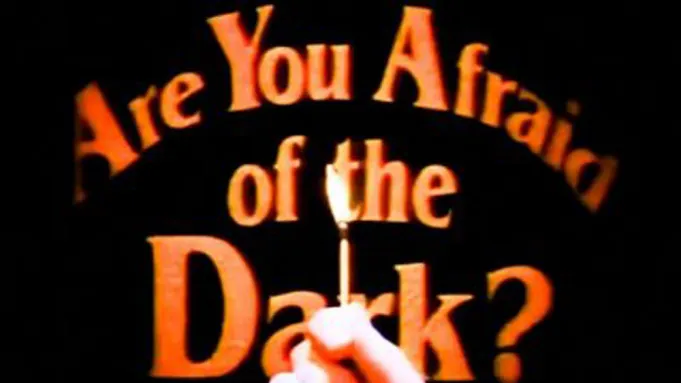
Submitted for the Approval of the Midnight Society...
There was something about watching Are You Afraid of the Dark? as a kid that felt vaguely illegal.
Not actually illegal, obviously. This was Nickelodeon. I was old enough to watch it. Nobody had slipped me an R-rated horror movie under the table or left me alone with a VHS copy of The Exorcist and questionable adult supervision. But sitting at my Mom-Mom and Pop-Pop’s house on a Saturday night, watching SNICK and waiting for Are You Afraid of the Dark? to come on, I still felt like I was getting away with something.
It felt naughty.
The second those opening credits started, Nickelodeon suddenly didn’t feel quite like Nickelodeon anymore. The empty swing. The creaking door. That deeply unsettling clown. The attic full of junk that absolutely no reasonable person should have been investigating after dark. By the time we reached the campfire, I was already completely locked in.
Then somebody would reach into that little bag, grab a handful of mysterious dust, throw it onto the fire and say the words every ’90s kid who watched the show can still hear perfectly in their head: “Submitted for the approval of the Midnight Society...”
And that was it. I was screwed.
I loved Are You Afraid of the Dark? as a kid. I mean LOVED it. I was already drawn to horror, and here was an entire television series built around kids gathering in the woods at night specifically to scare the hell out of each other. This was basically made for me. The fact that it succeeded in scaring the hell out of me too was part of the fun.
And yes, I am looking directly at you, The Tale of the Dead Man’s Float.
If you know, you know.
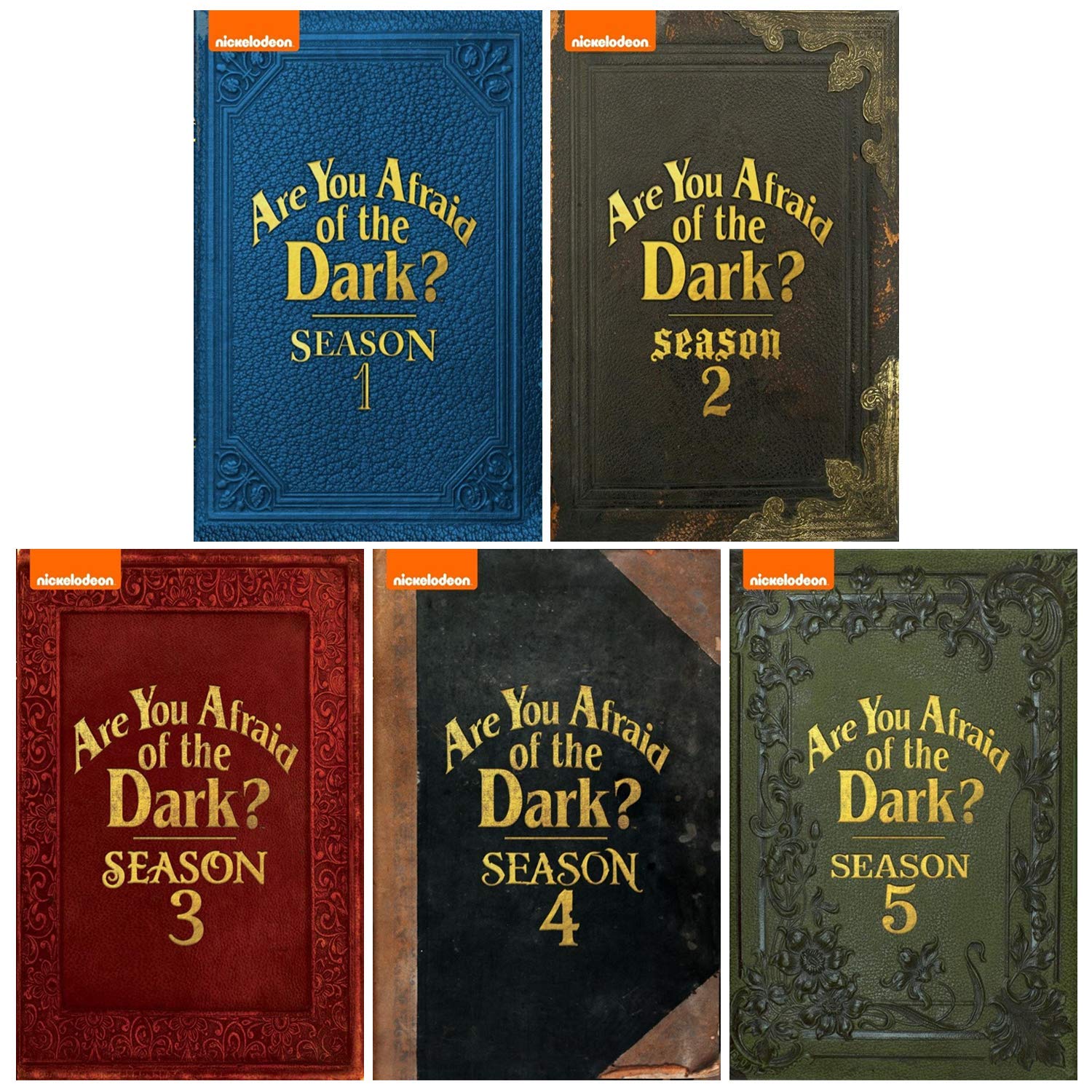
There are images from childhood television that disappear into some dusty filing cabinet in your brain until somebody mentions the show thirty years later. Then there are images that apparently purchase real estate in there and refuse to leave. That corpse-like thing rising out of the swimming pool belongs firmly in the second category. I can still picture it. I still think it is creepy. And apparently Nickelodeon’s plan was to show this nightmare creature to children and then casually move on with the evening like we were supposed to sleep afterward.
But that is exactly what made Are You Afraid of the Dark? special. It wasn’t merely horror-themed children’s television. It wanted to scare us.
The series understood something that adults occasionally forget about kids: we LIKE being scared. We like testing ourselves. We like getting close enough to something frightening that our stomach drops, while still knowing somewhere in the back of our minds that we can turn off the television, pull up the blanket and survive until morning. Are You Afraid of the Dark? gave us that experience every Saturday night.
And the Midnight Society made the whole thing infinitely better.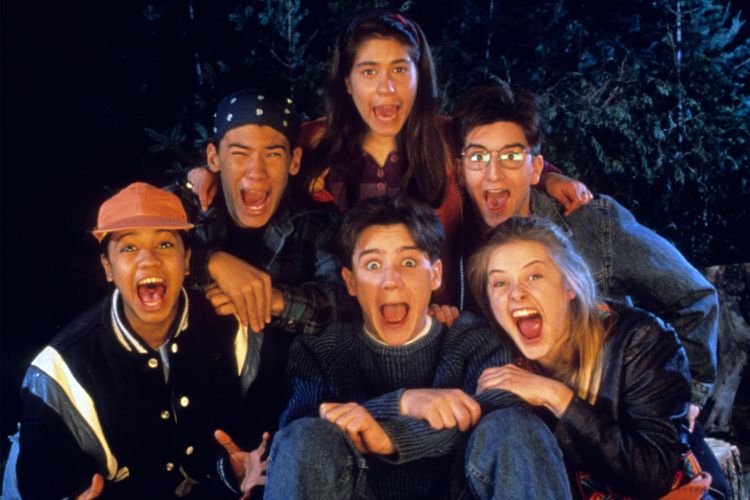
You could remove the campfire bookends and technically still have an anthology of spooky stories, but it would not be the same show. The ritual was the show. The woods, the darkness, the circle of kids around the fire and the knowledge that each of them had arrived carrying a new nightmare made every tale feel like something being passed directly from one kid to another. We weren’t simply watching an episode. We were being invited to the campfire.
That feeling is probably a huge reason the series has stayed with me. I don’t just remember individual monsters or plots. I remember what it felt like to watch scary stories on a Saturday night. I remember SNICK. I remember my Mom-Mom and Pop-Pop’s house. I remember feeling like maybe I shouldn’t be watching this even though I absolutely was allowed to watch it. Childhood nostalgia can be incredibly powerful, but nostalgia alone does not explain why Are You Afraid of the Dark? still works.
Because here’s the thing: some of this show is still genuinely creepy.
More than three decades after the original series became a signature part of Nickelodeon’s Saturday-night lineup, Are You Afraid of the Dark? has grown into a much larger franchise than the version I knew as a kid. The original run was followed by a 1999 revival - which, somehow, I completely missed - and decades later Nickelodeon returned to the Midnight Society again with a new incarnation beginning in 2019. Different kids have sat around different fires, the storytelling format has evolved, and television itself has changed almost beyond recognition from the era when we planned our Saturday nights around whatever was coming on after Clarissa.
But the central idea remains ridiculously good: get some kids together after dark and tell a scary story.
So for this Ultimate Guide, we’re going back to the fire. We’re looking at where Are You Afraid of the Dark? came from, how the Midnight Society worked, the monsters and episodes that permanently altered the brain chemistry of ’90s children, the famous faces who passed through its stories, how the series managed to get genuinely frightening material onto kids’ television, why SNICK was such a perfect home for it, what happened when the Midnight Society returned in 1999 and again in 2019, and whether the entire thing still holds up today.
Later, we’ll go season by season and give every tale the full Ultimate Guide treatment. For now, this is the big one: the campfire, the history, the scares and the entire franchise.
 Grab an Are You Afraid of the Dark Tee Here.
So turn off the lights. Ignore the noise you just heard in the hallway. And if something corpse-like starts crawling out of your swimming pool, frankly, you’re on your own.
Submitted for the approval of the Midnight Society, I call this story...
The Ultimate Guide to Are You Afraid of the Dark?
Are You Afraid of the Dark? at a Glance
Original U.S. Run: 1992–1996
First Revival: 1999–2000
Modern Revival: 2019–2022
Network: Nickelodeon
Creators: D.J. MacHale and Ned Kandel
Format: Horror anthology with Midnight Society framing stories; the modern revival shifts to season-long serialized stories
Original Production: Canada, primarily Montreal, Quebec
Modern Revival Production: Vancouver, British Columbia
The Central Idea: A group of kids calling themselves the Midnight Society meets in the woods at night, gathers around a campfire and takes turns telling scary stories. Those stories can involve ghosts, monsters, cursed objects, urban legends, witches, vampires, aliens, creepy clowns, evil magic and occasionally something so grotesque that you wonder who at Nickelodeon looked at it and said, “Yep. Saturday night. Kids will love this.”
The Franchise’s Vibe: A sleepover ghost story with the lights off. The original series could be funny, adventurous and even sweet, but it never seemed embarrassed by horror. When an episode wanted to be creepy, it went for it.
Why It Matters: Are You Afraid of the Dark? gave kids horror from a kid’s point of view. The protagonists were usually young people dealing with fears, problems and adults who were not necessarily going to save them. It also wrapped those stories inside one of the best framing devices in anthology television: the Midnight Society itself.
There are really three versions of Are You Afraid of the Dark? to know. The classic series is the one most ’90s Nickelodeon viewers remember: the original Midnight Society, the campfire and a new tale each episode. Nickelodeon brought the series back in 1999 for two additional seasons with a mostly new Society and Tucker taking over as its leader. Then, after nearly two decades away, the title returned again in 2019.
The modern version kept the Midnight Society but changed the machinery around it. Instead of gathering every week so one kid could tell us a self-contained horror story, the new kids became the protagonists of the horror themselves. The first revival story, Carnival of Doom, ran as a three-part limited series in October 2019. Nickelodeon continued the incarnation with Curse of the Shadows and Ghost Island, turning each season into its own serialized nightmare.
I somehow missed the 1999 return entirely and haven’t watched the modern incarnation yet, so I’m not going to pretend either one has the same nostalgic hold on me as the original. They are still part of this franchise, though, and they belong in a guide that claims to cover the whole damn thing.
The Midnight Society: Why the Campfire Was Half the Magic
Before there was a monster, there was a fire.
That is the image I associate with Are You Afraid of the Dark? almost as strongly as anything that happened inside the stories. A group of kids sneaks into the woods at night, sits around a campfire and scares each other for fun. There are no parents hovering nearby. There is no adult host popping up to reassure everybody. The kids run the show.
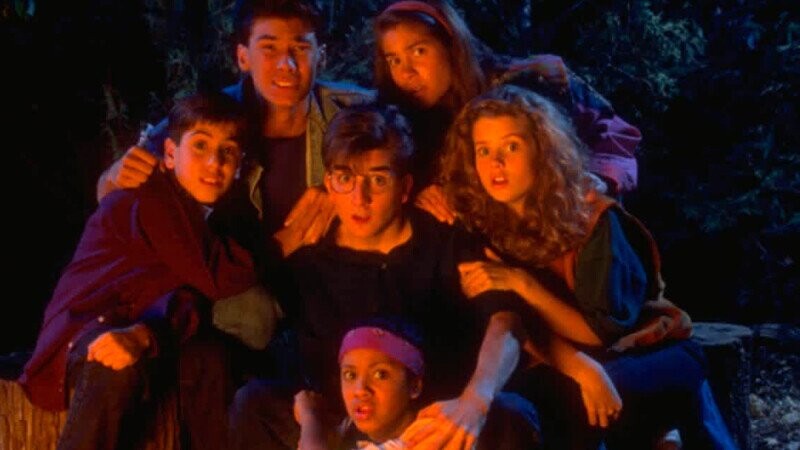
Gary, played by Ross Hull, leads the original group and introduces us to a Society whose members each bring their own storytelling tastes to the fire. Kiki, played by Jodie Resther, is tough and outspoken. Betty Ann, played by Raine Pare-Coull, has a taste for the strange. Frank, played by Jason Alisharan, leans into darker material and gives us the recurring Dr. Vink. Sam, played by Joanna Garcia, joins later and becomes part of one of the show’s most memorable ongoing relationships through her chemistry with Gary. Tucker, played by Daniel DeSanto, is Gary’s younger brother, an annoyance in the way younger siblings are contractually obligated to be, and eventually becomes much more important to the franchise than his introduction suggests.
Other members come and go, but the basic ritual is wonderfully simple. Somebody has a story. The group settles in. The storyteller announces the title, throws a handful of powder onto the fire, the flames flare up, and we leave the woods for whatever nightmare they have brought with them.
As a kid, I wanted in.
I think that is a huge part of the fantasy. The Midnight Society felt like a club you could almost imagine existing somewhere beyond your own neighborhood. Maybe there really were kids meeting in the woods after dark while the rest of us were stuck at home. Maybe you could earn a seat if you came up with a story scary enough. I certainly would have tried, although I also probably would have heard one branch snap behind me and immediately resigned my membership.
Get Official Member of the Midnight Society Sweatshirt here!
The framing scenes also gave the anthology something most anthology shows never get: a second cast of characters we could actually become attached to. We learned what kinds of stories each member liked. We saw friendships, rivalries, teasing and crushes. Sometimes the storyteller’s own life inspired the tale. Occasionally the business around the campfire became a story of its own. Those few minutes made the series feel connected even when the actual tales had nothing to do with one another.
And then there was the powder.
The famous substance tossed into the fire was not some mystical Midnight Society chemical concoction. D.J. MacHale has explained over the years that the effect was created with a non-dairy creamer. Which is both wonderfully mundane and deeply funny. One of the defining rituals of my childhood horror television was apparently powered by something that could also have been sitting next to the coffee machine.
None of that ruins the illusion. If anything, I love it more.
Because the illusion was ridiculously effective. The Midnight Society turned watching television into participating in a ritual. You heard the title. You watched the fire flare. You were in.
And for the next half hour, whatever happened was your problem too.
How the Midnight Society Was Born
D.J. MacHale and Ned Kandel created Are You Afraid of the Dark? around an idea that sounds almost embarrassingly obvious once somebody else has thought of it: kids love scary stories. Not horror watered down until nothing remotely frightening survives, but the kind of stories kids tell each other when the lights are off and everybody is trying very hard not to admit they are scared.
The series first appeared in Canada before becoming one of Nickelodeon’s defining shows of the 1990s in the United States. Its American arrival could not have been timed much better. Nickelodeon was building an identity that felt increasingly separate from traditional children’s television, and in 1992 it launched SNICK, a Saturday-night block aimed at kids who were old enough to want something that felt a little cooler than daytime programming but were not exactly heading out to clubs afterward. We had couches. We had snacks. We had nowhere to be. Television knew where to find us.
Are You Afraid of the Dark? fit that lineup almost suspiciously well. The show did not need a giant mythology or elaborate weekly continuity to make Saturday night feel like an event. You only needed that opening sequence, the Midnight Society and the promise that somebody was about to tell you something creepy.
MacHale was heavily involved in establishing the voice of the series as a writer, director and producer, and the show developed a recognizable style surprisingly quickly. Most tales centered on young protagonists, which meant the horror was experienced at exactly the level of the audience watching it. Adults might be helpful, useless, suspicious, oblivious or occasionally the source of the problem, but the kids usually had to figure out the rules themselves.
That is a terrific engine for children’s horror. Being a kid already means living in a world where adults make most of the rules. Now imagine discovering that the thing in your basement is real, the old camera is cursed or the swimming pool is hiding a decomposing nightmare and the adults either cannot help you or do not believe you. Congratulations, you are now responsible for fixing a supernatural disaster while also presumably finishing your homework.
The show pulled from ghost stories, fairy tales, urban legends, classic horror and the kinds of morality tales that have been frightening children for centuries. Greed could get you into trouble. Cruelty could come back on you. Curiosity could open the wrong door. Sometimes a character caused the problem through a spectacularly bad decision; sometimes they were simply unlucky enough to move into the wrong house.
The anthology format also gave the writers enormous freedom. One week could be gothic, the next funny, the next science fiction, and the next could introduce a corpse monster in a school swimming pool that I would still be complaining about decades later. There was no permanent town to protect and no status quo that had to be restored for a regular cast. Every storyteller could take us somewhere completely different.
And because the stories were being presented as stories told by kids, the variety actually made sense. Frank did not have to sound like Betty Ann. Gary did not have to scare people the same way Kiki did. The framing device quietly gave the series permission to keep changing its flavor without losing its identity.
Nickelodeon, SNICK and the Perfect Saturday-Night Nightmare
It is hard to explain appointment television to somebody who grew up with an entire season waiting on a streaming menu.
Saturday night used to arrive whether your preferred episode was ready or not. If you wanted to watch something, you showed up when the network told you to show up. For kids watching Nickelodeon in the early 1990s, SNICK turned that limitation into part of the fun.
The block debuted in August 1992 with Clarissa Explains It All, Roundhouse, The Ren & Stimpy Show and Are You Afraid of the Dark? in the lineup. The shows were wildly different, which was part of the appeal. SNICK felt less like four interchangeable kids’ programs and more like Nickelodeon had been handed control of Saturday night and decided to see what it could get away with.
Then Are You Afraid of the Dark? came along and changed the temperature of the room.
That is the version of the show permanently lodged in my head. I remember being at my Mom-Mom and Pop-Pop’s house, watching SNICK and knowing scary stories were coming. There was anticipation built into the schedule. You did not select The Tale of the Whatever from a thumbnail because you were in the mood for it. The show arrived, the opening credits started, and now you were committed.
The 9:30 p.m. slot on the original SNICK schedule was perfect theater for it. You were still watching Nickelodeon, but it was late enough to feel different when you were a kid. The house was darker. The day was over. Adults were doing whatever mysterious boring things adults did after 9 p.m. And Nickelodeon was showing us ghosts, cursed objects and monsters.
No wonder it felt a little naughty to me even though I was completely allowed to watch it.
That sensation is almost impossible to reproduce on demand. Streaming is wonderful, but clicking play at 2:17 on a Tuesday afternoon does not carry the same weird energy as knowing a scary show is waiting for you at the end of a Saturday-night block. SNICK made the series feel scheduled for darkness.
And then, when the episode ended, you had to live with it. There was no immediate internet search for behind-the-scenes makeup photos. There was no cast interview queued underneath the episode to remind you that the monster was an actor covered in latex. If an image scared you, congratulations: your imagination had the rest of the night to work on it.
Mine apparently used the time productively.
The Tales: Why the Formula Worked
The best Are You Afraid of the Dark? episodes do not waste much time convincing you that their worlds are normal. They give you just enough normal childhood life to recognize yourself, then they start poisoning it.
A school. A mall. A movie theater. A summer vacation. A new neighbor. A swimming pool.
Especially a swimming pool.
The settings were useful because they belonged to kids. The horror was not happening in some remote adult world of nightclubs, corporate offices or suburban marriages. It was happening in places where the audience could imagine being tomorrow. That made even the sillier concepts feel closer than they had any right to.
The stories also understood the usefulness of rules. Great kid horror loves a rule: do not go into that room, do not make that wish, do not steal that object, do not say that name, do not ignore the weird old person who is very clearly giving you the only useful information you are going to receive all episode. Once the audience understands the rule, suspense becomes wonderfully simple. We know somebody is going to break it. We just do not know how badly they are going to regret it.
The half-hour format helped. There was rarely enough time for the show to admire its own cleverness. Meet the kid, establish the problem, make things creepy, reveal what is happening and get moving. Some episodes are stronger than others, obviously, but the format encouraged momentum.
It also encouraged endings with teeth. Are You Afraid of the Dark? could be reassuring, funny or sentimental, but it did not always insist on wrapping every nightmare in bubble wrap. Sometimes the final beat existed specifically to send you to bed with one last unpleasant thought.
Thank you, Nickelodeon. Very considerate.
The show’s budget and production limitations could occasionally be visible, especially now, but those limitations also pushed it toward atmosphere. Darkness is cheap. Fog is cheap. An old building in Montreal can look like approximately seventeen different haunted locations if you photograph it correctly. Practical makeup, strange lighting and a kid staring terrified at something just outside the frame can do a lot of work.
And when the creature effects were good, they were REALLY good.
Which brings us, unfortunately for my inner child, to the monsters.
The Monsters That Ruined Our Childhoods
Are You Afraid of the Dark? had plenty of ghosts and supernatural threats, but a handful of its creations escaped their individual episodes and became permanent residents of ’90s-kid memory.
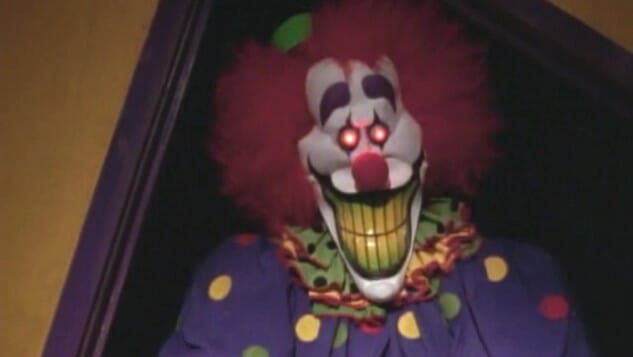
Zeebo the clown from The Tale of Laughing in the Dark is probably the most obvious example. An amusement-park funhouse clown was already a questionable proposition before the episode started adding cigars, threats and the possibility that Zeebo was considerably more than a mannequin. The show understood that clowns do not require much assistance to become terrifying. Mostly you just have to stop insisting they are fun.
The Ghastly Grinner went in a completely different direction: a comic-book villain with a grotesque grin whose victims become drooling, laughing blue-faced zombies. It is colorful, ridiculous and deeply unpleasant to look at, which is an excellent combination for something designed to stick in a kid’s brain forever.
The Crimson Clown preyed on a fear that the show returned to more than once: what if the object you think is creepy is not merely creepy? What if it is actually coming for you? Dolls, clowns, masks and mannequins work beautifully in children’s horror because kids already spend their lives surrounded by human-shaped things that are not human. Horror only has to move one of them.
Then there is the vampire emerging from the movie screen in The Tale of the Midnight Madness, a loving riff on Nosferatu that introduced plenty of young viewers to the visual language of much older horror without requiring them to know what was being referenced. That was another strength of the series. It could borrow from classic horror and feed those images to kids who would discover the originals years later.
And then there is The Tale of the Dead Man’s Float.
I have mentioned it several times already because apparently this is now therapy.
The creature lurking beneath the school pool is exactly the kind of monster that proves Are You Afraid of the Dark? was willing to get nasty. It is rotting, wet, skeletal and disgusting, and putting it in a swimming pool was an act of aggression against every child who had ever taken swimming lessons. There are monsters you remember because you loved the episode. There are monsters you remember because your nervous system filed a permanent complaint.
For me, this is the second kind.
Get The Tale of the Dead Man’s Float merch here!
What makes these creatures last is not simply that the makeup was effective. The show attached them to recognizable fears. Clowns. Dark water. Being alone. Something watching you. A face that is almost human but wrong. A place that should be safe becoming dangerous. Those fears do not expire when you turn thirteen.
The effects may show their age. The fear underneath them usually does not.
The Essential Tales: Your Starter Pack
Later, we are absolutely going season by season and giving every episode the full treatment. For this franchise guide, though, I want a cleaner answer to a simpler question: if somebody has never seen Are You Afraid of the Dark?, where should they start?
The Tale of Laughing in the Dark
A kid steals Zeebo the Clown’s nose from a funhouse and learns very quickly that mocking a dead clown is not an especially smart life choice. This is one of the foundational episodes because it shows how effective the series could be without constantly putting the monster front and center. Smoke, footsteps, laughter and the threat of Zeebo do most of the work.
The Tale of the Lonely Ghost
A girl is dared to spend the night in an abandoned house and discovers that the ghost haunting it may be less interested in hurting her than in being understood. It is creepy, sad and an early example of the show remembering that a ghost story can have an emotional payoff too.
The Tale of the Super Specs
Magic glasses reveal figures that should not be there, which is exactly the sort of premise that sounds fun for roughly six seconds before becoming horrible. The episode leans into paranoia and the fear that something can occupy the same space as you without you normally being able to see it.
The Tale of the Midnight Madness
A mysterious old horror film begins bleeding into reality, complete with a vampire modeled after the silent-era image of Nosferatu. If you eventually grew into the kind of horror fan who loves tracing modern scares back through genre history, this episode is practically a gateway drug.
The Tale of the Shiny Red Bicycle
One of the series’ more emotional ghost stories follows a boy still haunted by the death of his best friend. It is not remembered because it has the grossest monster or biggest effects. It is remembered because the supernatural story is built around guilt and grief.
The Tale of the Dollmaker
A dollhouse connected to a missing girl becomes the center of one of the show’s most surreal nightmares. Dolls are creepy. Dollhouses are creepy. Becoming part of a dollhouse is, I think we can all agree, significantly worse.
The Tale of the Dark Music
Something is living behind a basement door, and the episode understands that a closed door can be scarier than whatever you eventually show behind it. It also gives the story a meaner streak than some of the more comforting tales.
The Tale of the Dangerous Soup
Fear itself becomes an ingredient at a restaurant run by Dr. Vink, and the episode gives us one of the show’s best recurring characters while also featuring a young Neve Campbell before Scream made her horror royalty.
The Tale of the Ghastly Grinner
A comic-book villain comes to life and turns people into cackling, blue-drooling wrecks. The colors are loud, the imagery is grotesque and the whole thing feels like a nightmare somebody illustrated with poisoned crayons.
The Tale of the Dream Girl
A teenager begins seeing a mysterious girl nobody else seems to notice, leading to one of the series’ most affecting twists. It is a great example of Are You Afraid of the Dark? doing something quieter than creature horror and still landing hard.
The Tale of the Dead Man’s Float
Two students discover a long-abandoned swimming pool beneath their school and, because the universe hates children, something decomposing is waiting in the water. I have said enough about this thing already. Watch it and then apologize to your inner child.
The Tale of the Night Shift
A hospital after dark is already an excellent horror setting before the episode starts adding vampires and things lurking where they should not be. It has atmosphere for days and is one of the strongest examples of the original run getting more visually confident.
The Tale of Station 109.1
A kid obsessed with death accidentally winds up closer to the afterlife than he planned. The episode is also notable for featuring Ryan Gosling and Gilbert Gottfried, which is a sentence that could only come from 1990s television.
The Tale of Apartment 214
A lonely girl befriends an elderly neighbor, then discovers that the relationship is stranger and sadder than it first appeared. Like the best episodes, it uses the supernatural to get at something emotionally recognizable.
The Tale of the Crimson Clown
A spoiled kid steals a video game and finds himself pursued by a clown figure that is much less interested in teaching a gentle moral lesson than in terrifying him into becoming a better person. Honestly, effective parenting strategy? No. Memorable television? Absolutely.
If you watch those and the show does nothing for you, Are You Afraid of the Dark? may simply not be your thing. If you watch those and suddenly find yourself three seasons deep at 1 a.m., welcome to the Midnight Society.
Wait... THAT Person Was on Are You Afraid of the Dark?!
One of the great pleasures of revisiting Canadian television from the 1990s is realizing that half the people who wandered into a haunted basement later became very famous.
Ryan Gosling appears in The Tale of Station 109.1, years before The Notebook, Drive or Barbie. D.J. MacHale has said he originally wanted Gosling for the Midnight Society, but Gosling instead joined The All New Mickey Mouse Club. He eventually made it onto Are You Afraid of the Dark? once he was back in Canada, and the episode also gave us Gilbert Gottfried as a radio host connected to the afterlife.
Neve Campbell appears in The Tale of the Dangerous Soup two years before Scream and The Craft turned her into one of the defining genre faces of the 1990s. Watching her in a Nickelodeon horror anthology before Sidney Prescott is one of those retroactive casting pleasures that makes an old episode feel like you have discovered a secret prequel.
Hayden Christensen turns up in the 1999 revival episode The Tale of Bigfoot Ridge before becoming Anakin Skywalker. Jay Baruchel appeared multiple times across different tales. Elisha Cuthbert had an early on-camera role in The Tale of the Night Shift before later joining the second-generation Midnight Society. Eddie Kaye Thomas made his first screen appearance in The Tale of the Curious Camera. Emily VanCamp also appeared in the revival era before Everwood, Revenge and the Marvel Cinematic Universe.
And the list keeps going. Tia and Tamera Mowry, Will Friedle, Tatyana Ali, Melissa Joan Hart, Jewel Staite and Emmanuelle Chriqui are among the performers who passed through the anthology before or during the early stages of much bigger careers.
That happened partly because of geography. The show cast heavily in Canada, and MacHale has described traveling through cities including Vancouver, Toronto, New York and Montreal looking for young actors. A children’s anthology needs a lot of fresh faces. Are You Afraid of the Dark? needed a practically absurd number of them.
The result is that revisiting the series now occasionally feels like watching the world’s creepiest yearbook.
Behind the Campfire: How the Show Was Made
The original Are You Afraid of the Dark? was built on a television budget, and you can absolutely see that sometimes. I do not mean that as an insult. The resourcefulness is part of the charm.
The production was based around Montreal, where the crew could use old buildings, wooded areas, schools, houses and institutional locations to make each anthology story feel like a different world. A location that looked like a haunted mansion one week could become something entirely different later with new angles, lighting and production design.
The Midnight Society scenes were a different logistical beast. Those campfire wraparounds were filmed together in concentrated blocks rather than alongside each individual episode. That meant the season’s scripts had to be far enough along for the storytellers to know what they were introducing, and it meant the Midnight Society cast did not necessarily spend the same kind of day-to-day production time together that a normal ensemble cast would.
The woods were not nearly as romantic behind the scenes as they looked on television. MacHale has recalled shooting around swarms of mosquitoes at a protected arboretum where the production could not simply spray the place into submission. Crew members covered themselves up against the bugs while actors attempted to deliver creepy material without reacting to insects landing on their faces. Horror is glamorous.
Cemetery shoots came with their own problem. The production had to avoid displaying actual names on real gravestones, so fake foam tombstones were used to cover them. That is one of my favorite varieties of television trickery: you are watching a child flee a supernatural threat while just outside frame somebody has strategically placed fake graves over the legally inconvenient real graves.
Nickelodeon also had rules about what children could be shown doing. One memorable restriction involved matches. The network did not want the series teaching kids how to light them, which is particularly funny when you consider how often these children were sitting around an enormous fire in the middle of the woods.
The signature powder toss helped solve the ritual visually. Accounts from the production have identified non-dairy creamer as part of the material tossed toward the flames, with the fire effect controlled by the crew. So one of the coolest images in Nickelodeon history owes at least part of its existence to coffee supplies and pyrotechnics.
MacHale carried an enormous amount of the writing load. He has said he wrote or rewrote the scripts across the original seven-season run, and the production schedule required stories to be prepared early because the campfire material was shot in batches. Classic literature and familiar story structures became useful wells to draw from, not because the show was lazy, but because anthology television is a story-eating monster. You finish one script and immediately need another nightmare.
The casting philosophy was also unusually important. MacHale has spoken about diversity being a mandate for the show, and former cast members have remembered the series as intentionally reflecting different kinds of kids. Nickelodeon also reportedly rejected performers who felt too polished or too much like stereotypical “Disney kids.” That choice helped the series. The protagonists generally looked like kids you might actually know, which made it easier to believe that something horrible could happen to one of them.
Visually, the series learned how to squeeze atmosphere out of modest resources. Fog, darkness, practical makeup, colored light, old architecture and carefully chosen locations can take you a long way. The show did not need feature-film spectacle every week. It needed one image strong enough to follow you upstairs after the episode ended.
Sometimes it found exactly that image.
Sometimes it put it in a pool.
The Midnight Society Returns: 1999–2000
Here is where the franchise gets weird for me personally, because I somehow missed this entire era.
Nickelodeon revived Are You Afraid of the Dark? in 1999, only a few years after the original run ended. The basic format returned, but the Midnight Society had changed. Tucker, Gary’s younger brother, was now the holdover from the first group and effectively the bridge between generations. A new collection of storytellers gathered around the fire, including Vange, Quinn, Megan and Andy, and the series continued telling mostly self-contained horror stories for two more seasons.
The revival did not try to pretend nothing had changed. The cast was different, the late-’90s look was different and the franchise was no longer arriving as the strange new thing on Nickelodeon. By 1999, the network itself had evolved, kids’ television had shifted, and Are You Afraid of the Dark? was returning to a landscape it had already helped shape.
Tucker becoming the leader is a smart piece of continuity. He had been the annoying younger brother hanging around the original Society, so putting him in charge years later gives the revival a little inherited history without requiring the entire original cast to come back. Ross Hull does eventually return as Gary for the final story, which lets the series acknowledge where it came from rather than treating the earlier years like ancient history.
The 1999–2000 episodes also kept the anthology structure that made the show work in the first place. There are new ghosts, creatures, curses and bad decisions, plus some now-famous faces who passed through before anybody knew where their careers were headed. Hayden Christensen appearing before Star Wars is probably the headline example, while Elisha Cuthbert’s connection to the franchise deepened when she joined this generation of the Midnight Society.
Why is this era less remembered? Part of it is timing. The original five-season run is fused to the early SNICK years in a way the revival simply cannot recreate. Nostalgia is unfair like that. The first version gets to be the thing you discovered; the later version has to compete with the memory of discovering it.
The network was changing too. D.J. MacHale has said Nickelodeon was moving away from live-action drama because comedy was cheaper and easier to turn into hits. The revived Are You Afraid of the Dark? lasted two seasons before disappearing again in 2000, and this time the campfire stayed dark for nearly two decades.
I am genuinely fascinated to go back and watch these episodes now because I have zero childhood nostalgia protecting them. When we eventually do the season guides for seasons six and seven, I will be seeing them with adult eyes first. That almost makes them a different experiment from the original seasons for me.
A New Generation Gets Scared: 2019–2022
Nearly twenty years after the 1999 revival ended, Nickelodeon went back to the Midnight Society again.
The 2019 version made the boldest structural change in franchise history: the kids stopped merely telling the horror story and started living inside it.
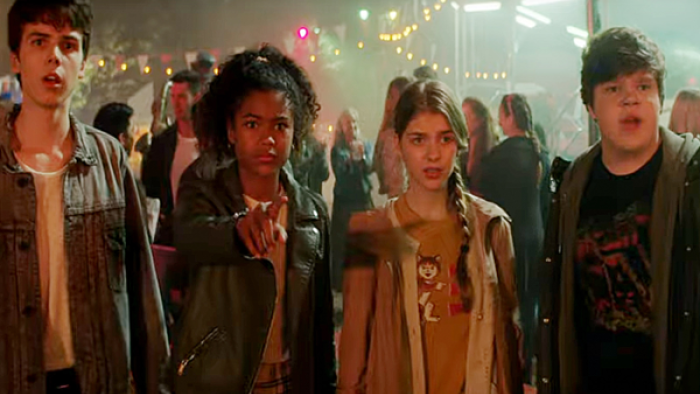
The first limited series, Carnival of Doom, introduces a new Midnight Society and begins with the familiar ritual of storytelling, but the nightmare soon bleeds into reality. The group has to confront Mr. Tophat and the Carnival of Doom themselves. Instead of twenty-something minutes of campfire setup plus a self-contained tale, Nickelodeon turned the concept into a serialized event spread across three parts.
That could have gone very wrong. A revival that throws away the original anthology format risks keeping the logo while losing the show. But contemporary reviews were surprisingly strong. Critics generally praised Carnival of Doom for understanding the spirit of the original without simply photocopying it. The first season holds a 100 percent Tomatometer score on Rotten Tomatoes from its small pool of reviews, and several critics specifically noted that it worked for both younger viewers and nostalgic adults.
Nickelodeon continued the approach with Curse of the Shadows in 2021 and Ghost Island in 2022. Each season functions as its own serialized horror story with a different Midnight Society group rather than returning to the old one-tale-per-episode structure. Nickelodeon itself described the modern incarnation as a series of limited-series events built around new Midnight Societies.
For longtime fans, that makes the revival less of a replacement for the original than a different branch of the same idea. The campfire still matters. The Society still matters. Storytelling still matters. But now the kids are not safely outside the tale once the fire flares up.
I have not watched these seasons yet, so I am not going to manufacture a ranking or pretend I have an emotional attachment to them. What I can say is that the creative decision makes sense. By 2019, serialized genre television was normal for young audiences. A three-episode horror event could feel more immediate than trying to reproduce a 1992 anthology exactly and hoping nostalgia did the rest.
There is also something fitting about a new generation getting its own version instead of being handed ours in a slightly shinier package. The original Midnight Society belongs to a specific era. These kids got their own monsters, their own group and their own way of telling stories.
The Fandom: From SNICK to Streaming
The original Are You Afraid of the Dark? fandom existed before most of us had a permanent internet connection in our pockets, which means a lot of its earliest life happened in extremely old-fashioned ways: you watched the show, talked about it at school, argued about the scariest episode and hoped Nickelodeon reran the one you missed.
That kind of fandom is easy to underestimate now. There was no official episode discussion thread ten seconds after the credits rolled. There was no TikTok clip of Zeebo with 4.7 million views waiting for you the next morning. If everybody in your class saw the same episode Saturday night, Monday morning became the comment section.
As the original audience got older, the show became one of those perfect internet-nostalgia objects. Episode rankings appeared everywhere. People traded memories of the exact monster that ruined them. Opening-credit compilations could instantly transport adults back to their childhood living rooms. Forums, blogs, Reddit threads, YouTube retrospectives and horror sites kept rebuilding the Midnight Society in digital form.
The show also benefited from the fact that its memory is intensely visual. You do not have to remember every plot beat from The Tale of Laughing in the Dark to remember Zeebo. You do not need to remember the name of every character in Dead Man’s Float to see that wet corpse thing in your brain again. An image can bring the whole night back.
Streaming should have made rediscovery simple, but the franchise’s availability has not always been especially clean. Rights, platform changes and incomplete releases have made the original show easier to revisit at some times than others, while the 2019 revival was removed from Paramount+ in 2024 during a broader content purge. Even in 2026, availability can vary depending on platform and region, which is exactly why I am not turning this guide into a “where to watch” section that will be wrong six months from now.
What has survived every platform shuffle is the recognition. Mention the Midnight Society to somebody who grew up on ’90s Nickelodeon and there is a very good chance they know exactly what you mean.
Influence and the Kids’ Horror Boom
Are You Afraid of the Dark? did not invent horror for children, and I am not going to pretend it did. Kids had been reading ghost stories, fairy tales, monster books and horror comics forever.
What the series did extraordinarily well was prove that young viewers could handle a weekly live-action horror anthology that treated fear as entertainment rather than something to apologize for.
It arrived before the Goosebumps television series and became part of a larger 1990s boom in horror aimed at younger audiences. Goosebumps, Eerie, Indiana, later Disney Channel Halloween programming and an entire ecosystem of spooky books and shows all lived in slightly different corners of the same cultural moment. Are You Afraid of the Dark? had its own lane because its campfire framing made everything feel less like a conventional television show and more like a ghost story being passed between kids.
Its influence is also visible in the way later family and YA horror trusts young characters to carry genuine genre stories. You can draw a line through shows and movies that let kids face monsters seriously without turning every scare into parody. The specifics change, but the audience lesson remains the same: children do not need horror to be stupid in order for it to be appropriate.
That lesson is probably the show’s most important legacy.
The original cast has said variations of the same thing in retrospectives: the series respected its young audience. It pushed boundaries without talking down to them. That is why the nostalgia has some muscle behind it. We are not only remembering orange couches and Nickelodeon bumpers. We are remembering a show that trusted us to be scared.
The Series Through a Modern Lens
Rewatching early-’90s children’s television means making peace with early-’90s children’s television.
Some performances are broad. Some effects are dated. Some sets look like sets. Some technology is now so ancient that explaining it to a kid would require a PowerPoint presentation and possibly a museum docent.
None of that bothers me much.
The pacing actually helps the show in a streaming era. Most original episodes are compact and eager to get moving. You can watch one without committing to an eight-hour mythology dump, and because the anthology resets each week, a weak episode does not derail an entire season-long story.
The practical effects have aged unevenly, but practical makeup also gives the monsters physical presence that a lot of cleaner digital effects lack. Zeebo exists in a room. The Dead Man’s Float creature occupies actual water. The Ghastly Grinner looks like somebody dragged a comic-book nightmare into three dimensions and then made it drool. Even when you can see the seams, there is something tactile about the horror.
The production style can also feel moodier than a lot of contemporary children’s television. Shadows are allowed to be shadows. Hallways can stay dark. The show is not terrified that a young viewer will lose interest if the screen goes five seconds without exploding into color.
Representation is another area where the original series deserves credit in context. MacHale and former cast members have discussed the intentional diversity of the Midnight Society and the effort to cast kids who did not all look or behave like one polished television archetype. That does not mean every episode is magically perfect by 2026 standards, but the central group looked more varied than plenty of youth ensembles from the same period.
The biggest thing that has aged well is the emotional logic. Kids are scared of being ignored. They are scared of embarrassment, loneliness, losing friends, strange adults, unfamiliar places and discovering that the safe world around them has rules they do not understand. Ghosts and monsters are useful because they give those fears a face.
That is why I can watch this as an adult and still find it creepy. I am obviously not experiencing it the same way I did at my Mom-Mom and Pop-Pop’s house. I know how television is made. I know the corpse in the pool is an effect. I know somebody yelled cut and the crew went home.
The image still works, which is, frankly, rude!
Reception and the Reputation It Built
Are You Afraid of the Dark? was never prestige television in the way we use that phrase now, and thank God, because a prestige version of this show would probably give us eight episodes about Gary’s childhood trauma before anybody actually told a ghost story.
It was children’s television on Nickelodeon, built to scare kids on Saturday nights, and its success is easier to see in longevity than in any single ratings headline. The original series lasted five seasons, returned after cancellation for two more, survived years of reruns and nostalgia, then came back again nearly twenty years later with an entirely new generation. Networks do not keep digging up dead franchises unless somebody still remembers where the body is buried.
Contemporary critical coverage from the early 1990s is nowhere near as easy to find or as obsessively archived as modern television criticism. The show’s reputation was built much more through its audience. Kids remembered it. Parents remembered that their kids were scared of it. The monsters became shorthand. The Midnight Society became one of the defining images of the SNICK era.
The modern revival arrived in a completely different media environment, so the response is easier to document. The 2019 Carnival of Doom season was warmly received by critics, with reviewers praising the way it updated the premise without simply remaking the old anthology. Rotten Tomatoes currently lists that first season at 100 percent from a small number of reviews, while broader retrospective coverage of the franchise routinely singles out the original show as one of Nickelodeon’s defining live-action series.
What interests me more is how the reputation has changed with the audience. As kids, we talked about whether an episode was scary. As adults, fans started talking about why it was scary, how the effects were done, which stories were surprisingly sophisticated and which actors we somehow forgot had been there. The nostalgia opened the door, but people stayed because there was actually something to revisit.
That is the difference between remembering a show and continuing to care about it.
Some episodes absolutely show their age. Some performances scream 1990s kids’ television. Some effects now look more charming than terrifying. But the best stories have escaped the era that made them. Zeebo still works. The Ghastly Grinner still looks deranged. The movie theater in The Tale of the Midnight Madness still feels like a place I would immediately leave. And Dead Man’s Float can still go straight to hell.
The franchise has also picked up a second life as an entry point into horror history. Adults who started with this show can now recognize the older genre traditions hiding inside it: Nosferatu, ghost stories, urban legends, morality tales, gothic horror, Twilight Zone-style twists and the eternal horror principle that if an eccentric old man gives you very specific instructions, maybe listen to him for once.
That is a pretty good legacy for a show about unsupervised kids throwing coffee creamer into a fire.
The Ultimate Are You Afraid of the Dark? Franchise Verdict
So where does the whole franchise land?
For me, the original five season run is still the heart of Are You Afraid of the Dark? That is partly nostalgia and I am NOT going to pretend otherwise. It is the version tied to SNICK, my Mom-Mom and Pop-Pop’s house, Saturday night, the feeling that I was watching something slightly forbidden and the specific childhood thrill of wondering whether this week’s story was going to be the one that completely ruined bedtime.
But nostalgia only gets a show so far. I have revisited plenty of childhood favorites that I loved in the moment and would now defend mainly because I do not want to hurt nine-year-old me’s feelings. Are You Afraid of the Dark? is different. The best episodes are still clever. The atmosphere still works. The framing device is still fantastic. And the series understood horror well enough to know that what you suggest can be nastier than what you show.
Its biggest weakness is the obvious one: anthology television is inconsistent. For every episode that becomes part of your permanent horror vocabulary, there is another that feels like somebody discovered they had three shooting days, a fog machine and twelve Canadian dollars left in the budget. That is part of the deal. You do not watch an anthology expecting every tale to be a masterpiece.
The 1999 revival deserves more attention than it gets, if only because it continued the actual anthology format and used Tucker as a clever bridge between generations. I missed it completely when it aired, because then I was a (gasp!) teenager, which means I am looking forward to eventually doing those season guides without thirty years of nostalgia whispering answers in my ear.
The 2019–2022 revival is a bigger reinvention. Turning the Midnight Society into the people actually experiencing the horror changes the basic engine of the franchise, but it also gives a new generation something that belongs to them. I would much rather see a revival take a real swing than spend three seasons recreating Gary’s campfire shot-for-shot and hoping adults clap because they recognize the bag of powder.
Would I recommend the franchise to somebody who never saw it as a kid? Absolutely. Start with the original series and use the Essential Tales list above as your roadmap. If those episodes hook you, start exploring. The joy of an anthology is that you can bounce around without needing a corkboard and sixteen feet of red string to remember the mythology.
Would I recommend it to horror fans? Even more strongly. Not because every episode will scare an adult, but because you can see the machinery of horror being taught to young viewers in real time. Suspense. Rules. Atmosphere. Monsters. Twist endings. Classic references. The safe place becoming unsafe. The thing behind the door being scarier before you see it.
And if you grew up with it, you already know why you are here.
Overall Franchise Rating: 9/10
Best Gateway Episode: The Tale of Laughing in the Dark
Scariest Episode: The Tale of the Dead Man’s Float
Best Creature Nightmare: The Dead Man’s Float monster, unfortunately
Best Recurring Character: Dr. Vink
Most Iconic Villain: Zeebo the Clown
Best Use of Classic Horror: The Tale of the Midnight Madness
Most Emotionally Effective Tale: The Tale of the Dream Girl
Essential Starter-Pack Count: 15 episodes
Best Era: The original 1992–1996 run
Final Verdict: Are You Afraid of the Dark? is one of the great gateways into horror because it never acted embarrassed about wanting to scare kids. The effects can date, the fashions can date and the technology can become archaeology, but a good scary story told in the dark does not need an upgrade.
The Fire Is Still Burning
When I think about Are You Afraid of the Dark?, I do not first think about episode numbers, production companies or which season had the strongest batting average.
I think about Saturday night.
I think about being at my Mom-Mom and Pop-Pop’s house. I think about SNICK. I think about knowing the scary show was coming and feeling that little jolt when the opening credits began. I was old enough to watch it. I was allowed to watch it. This was Nickelodeon, for God’s sake.
And somehow it still felt like I was doing something naughty.
Maybe that is the highest compliment I can give a children’s horror series. Are You Afraid of the Dark? made the safe glow of Nickelodeon feel dangerous for half an hour. It took ordinary places and made them suspicious. It made swimming pools hostile. It made clowns even worse than they already were. It made a group of kids sitting around a campfire feel like the coolest secret club in the world.
Most importantly, it understood that kids did not need to be protected from every scary idea. We wanted the story. We wanted the monster. We wanted to see how long we could keep watching before pulling the blanket a little higher.
That is why the Midnight Society mattered so much. The show could have skipped those scenes and gone straight into the anthology each week. Instead, it gave us a ritual. The woods. The circle. The bag. The fire. The storyteller leaning forward with everybody waiting.
For a few minutes, we got to sit there too.
More than thirty years later, I can see the seams now. I know the powder was not magic. I know the monsters were makeup and costumes. I know the woods were a location and somebody eventually turned on the lights and sent everybody home.
None of that changes what it felt like.
That kid at my grandparents’ house did not care how the effect worked. He only knew there was something dead in that swimming pool and Saturday night had suddenly become a lot more interesting.
That is the version of Are You Afraid of the Dark? I will always carry with me: not simply a television show I watched, but the feeling of being a kid who loved scary stories, sitting safely inside while Nickelodeon convinced me for half an hour that maybe I was not quite as safe as I thought.
The campfire has gone out more than once. Different kids have taken the seats. The stories have changed. Television has changed even more.
But if someone reaches into that bag, throws the dust into the flames and says, “Submitted for the approval of the Midnight Society...”
I am still listening.
{ "@context": "https://schema.org", "@type": "NewsArticle", "headline": "The Ultimate Guide to Are You Afraid of the Dark?: Every Tale, Monster, Midnight Society & Scare", "author": [{ "@type": "Person", "name": "Kyle McMahon", "url": "https://podcast.popcultureweekly.com/people/kyle-mcmahon/" }], "publisher": { "@type": "Organization", "name": "Pop Culture Weekly", "url": "https://podcast.popcultureweekly.com" } }

On Air Talent / Creator / Author / Producer
Kyle McMahon is an American television personality, radio host, journalist, actor, singer and songwriter. He is known for appearing in Oprah's Lifeclass, the Oscar winning film Selma, hosting Pop Culture Weekly with Kyle McMahon on iHeart Radio and touring with LFO and O-Town.

All the Movies, Shows & Specials Coming to 4K UHD & Blu-ray in October 2026
 Apple Podcasts
  YouTube
  Spotify
  iHeartRadio
  Audible
  Amazon Music
  JioSaavn
  Spreaker
  RSS Feed