Ultimate Guide to American Horror Story: Every Season, Cast, Monster, Connection & Legacy
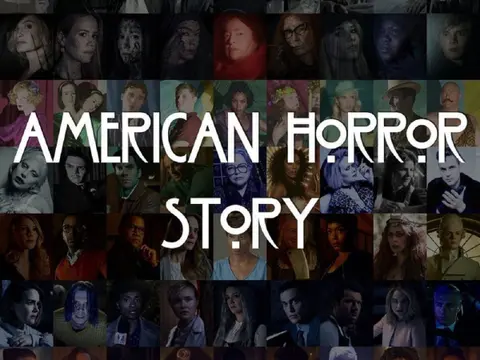
Welcome to the Murder House...

For more than a decade, this show has found room for haunted houses, demonic possession, serial killers, witches, aliens, killer clowns, vampires, ghosts, cult leaders, the Antichrist, murderous summer camps, government conspiracies, grotesque medical experiments and Stevie Nicks. Yes, iconic Rock Goddess, Stevie friggin Nicks. Sometimes several of those things have appeared in the same season, because Ryan Murphy has never encountered the phrase “maybe that’s enough.”
That excess is part of why I love American Horror Story.
When the series premiered on FX on October 5, 2011, television horror was in an interesting place. The Walking Dead had debuted the year before and demonstrated that audiences would absolutely show up for serialized horror television, but the genre still did not occupy the enormous amount of prestige-TV territory that it does today. Horror was always on television in some form, but a heavily stylized, unapologetically adult horror drama featuring major actors, movie-level production values and enough disturbing imagery to make you wonder what FX’s standards department was doing during lunch still felt unusual.
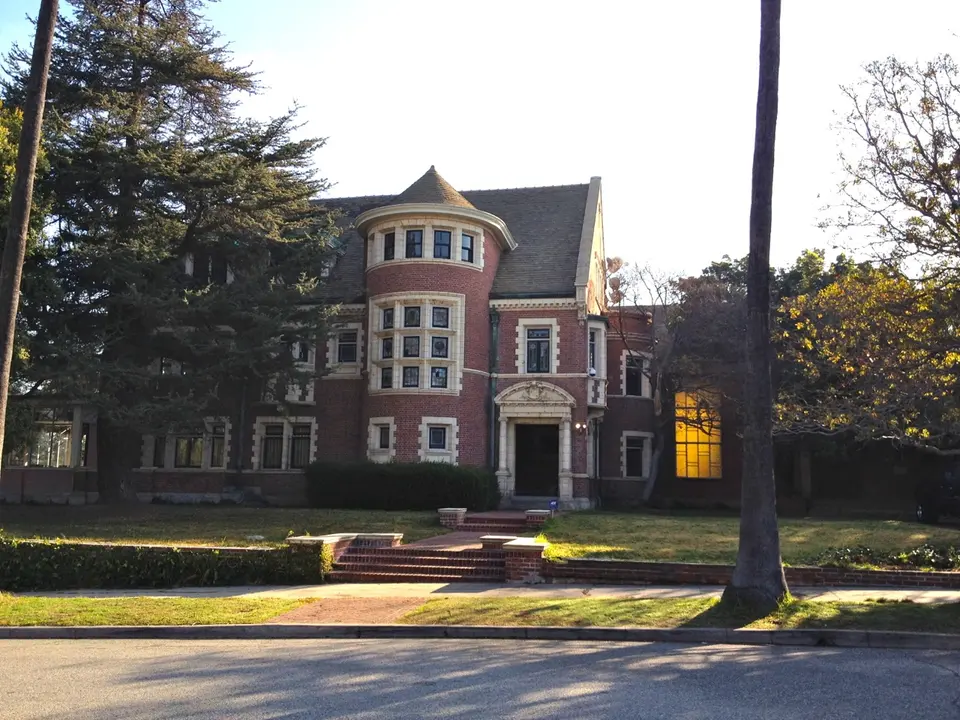
Then Ryan Murphy and Brad Falchuk introduced us to the Harmons.
Ben and Vivien Harmon had a shattered marriage, their daughter Violet was miserable and the family decided that moving across the country and buying a suspiciously inexpensive historic mansion in Los Angeles might solve everything.
It did not.
In fairness, real estate websites generally do not include a checkbox for “basement may contain decades of murder.”
The first season immediately established much of what would eventually become the American Horror Story identity. The series was stylish, deeply uncomfortable, frequently sexual, gloriously campy, occasionally hilarious, spectacularly violent and completely uninterested in good taste whenever bad taste would be more entertaining. Its opening credits alone felt dangerous. There were distorted images, jars filled with questionable objects, medical photographs, creepy children and an industrial theme song that sounded as if a haunted fax machine had become self-aware.
Then Jessica Lange walked onto the screen as Constance Langdon and essentially announced that everyone else had better bring their A-game.
That first year worked perfectly well as its own bizarre haunted house drama, but the real masterstroke came after it ended. And it shocked us all.
The Harmons did not return for Season 2. Neither did Murder House.
Jessica Lange returned, but she was no longer Constance Langdon. Evan Peters was no longer Tate. Sarah Paulson was no longer Billie Dean Howard.
Instead, the show transported us to 1964 and locked us inside Briarcliff Manor.And that decision changed everything about the series....and to an extent, television.
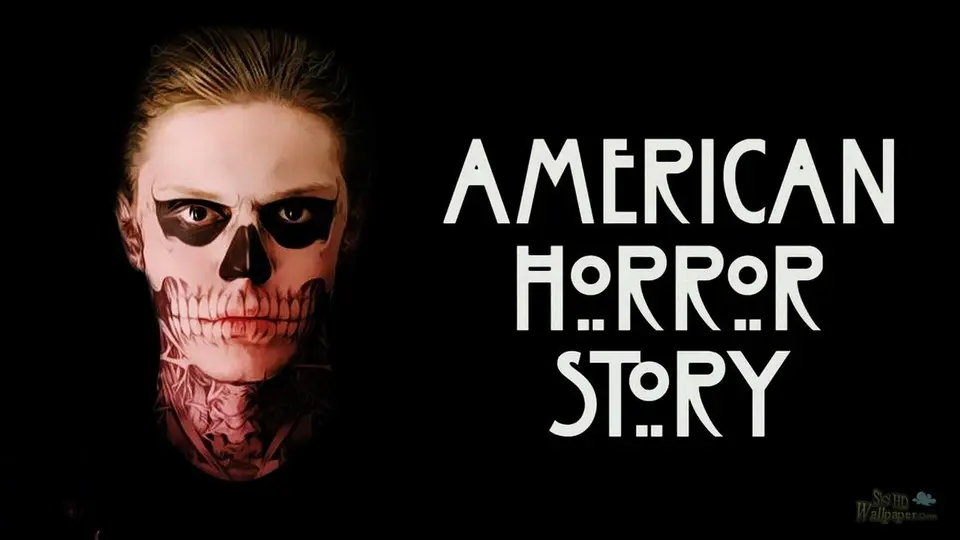
Suddenly, American Horror Story was not simply a television show about a haunted house. It was an anthology in which the basic DNA could survive even if virtually everything else changed. The actors themselves became part of the attraction. Every season offered a new horror genre, new setting, new time period and new collection of characters, while familiar performers returned in completely different roles.
Jessica Lange could transform from a manipulative Southern neighbor into a terrifying nun, then become the Supreme witch of a New Orleans coven, and emerge as the German proprietor of a struggling 1950s freak show.
Sarah Paulson could go from a medium to an investigative journalist, a witch, conjoined twins, a drug-addicted ghost, a terrified restaurant owner and several other people who desperately needed a vacation from Ryan Murphy.
Evan Peters could be Tate Langdon, Kit Walker, Kyle Spencer, Jimmy Darling, James Patrick March and Kai Anderson, occasionally playing so many people within a single season that I began to wonder whether FX was saving money on actors.
The repertory company approach became one of the great pleasures of the series. You were not simply wondering what the next season would be about. You were waiting to discover what these actors would become next.
Until... the supposedly separate seasons began connecting.
Pepper appeared in both Asylum and Freak Show. Queenie from Coven checked into the Hotel Cortez. Billie Dean Howard reappeared. Characters and locations crossed over, family histories connected, and Apocalypse eventually smashed through the anthology wall altogether by directly continuing stories from both Murder House and Coven.
What had begun as a collection of independent horror stories gradually revealed itself to be something closer to an interconnected nightmare.
That evolution is only one reason American Horror Story remains fascinating. Another is that the series has always contained contradictions that should destroy it but somehow define it instead.
AHS can be elegant and unbelievably trashy within five minutes of itself. It can be genuinely terrifying and completely ridiculous. It can offer thoughtful commentary about marginalized communities and then immediately introduce a plot development that feels as if somebody lost a bet in the writers’ room. It can feature some of the best actors working on television while telling them to deliver dialogue about ghosts, aliens, possessed nuns or blood-drinking fashion icons with absolute seriousness.
Most importantly, the show has always been willing to reinvent itself.
Not every reinvention works equally well. Some seasons are masterpieces. Some start brilliantly and lose control halfway through. Some improve when you revisit them years later, while others become even stranger when you remember that millions of people watched this happen on basic cable.
It's that unpredictability that is absolutely part of the American Horror Story experience.
American Horror Story debuted over 15 years ago and currently has 132 episodes. That is an insane lifespan for any television show, let alone one that effectively rebuilds itself every season.
Welcome to American Horror Story.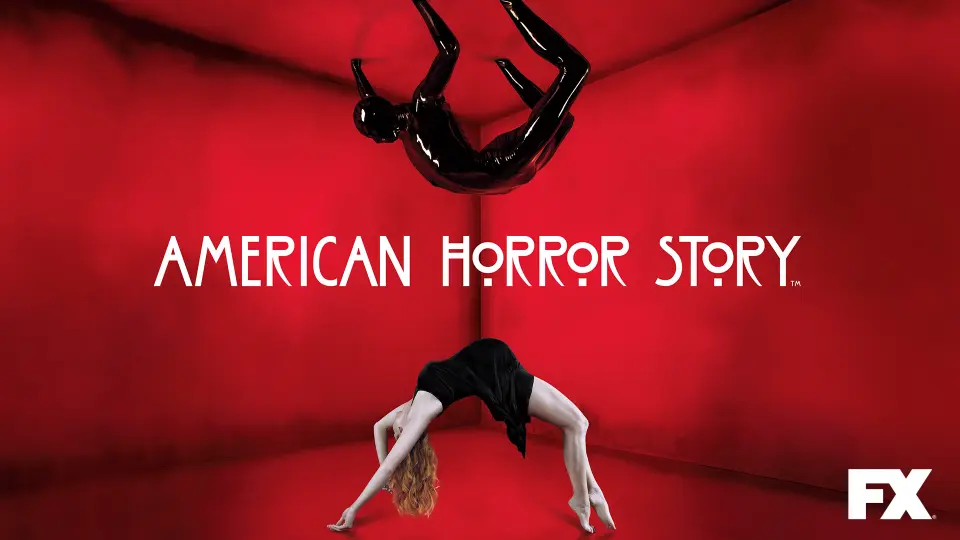
American Horror Story: The Seasons at a Glance
One of the things I love most about American Horror Story is that saying you are an AHS fan tells somebody almost nothing about the kind of horror you actually like. This franchise has moved through haunted house horror, religious horror, witchcraft, slashers, body horror, true crime, political paranoia, science fiction and several combinations that probably should not coexist but somehow do. The first 12 completed installments contain 132 episodes, with individual seasons ranging from nine to 13 episodes.
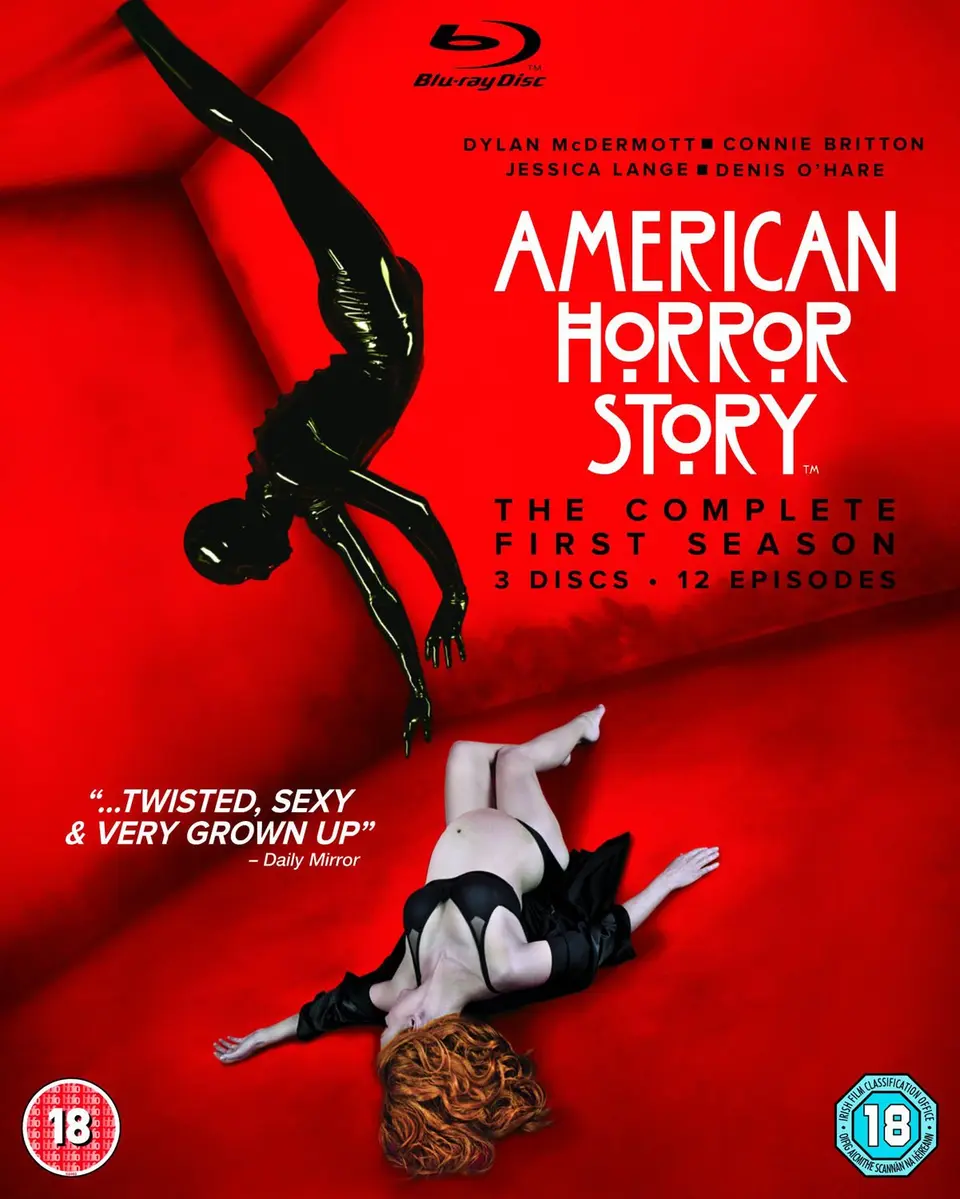
Season 1: Murder House
Aired: 2011
Episodes: 12
Primary Setting: Los Angeles, California
Types of Horror: Haunted house, supernatural horror, psychological horror, ghost story, domestic horror
The Central Story: The Harmon family moves across the country hoping to repair itself, only to discover that their beautiful new Los Angeles home has spent decades collecting dead residents who are not particularly interested in moving out.
The Season’s Vibe: Gothic, sexual, claustrophobic, melodramatic and deeply dysfunctional.
Why It Matters: This is where the entire AHS language is established, from the mixture of horror and sexuality to the obsession with damaged families, morally complicated characters and ghosts who have considerably more unfinished business than anyone reasonably needs. It also introduces people and mythology that become enormously important again in Apocalypse.
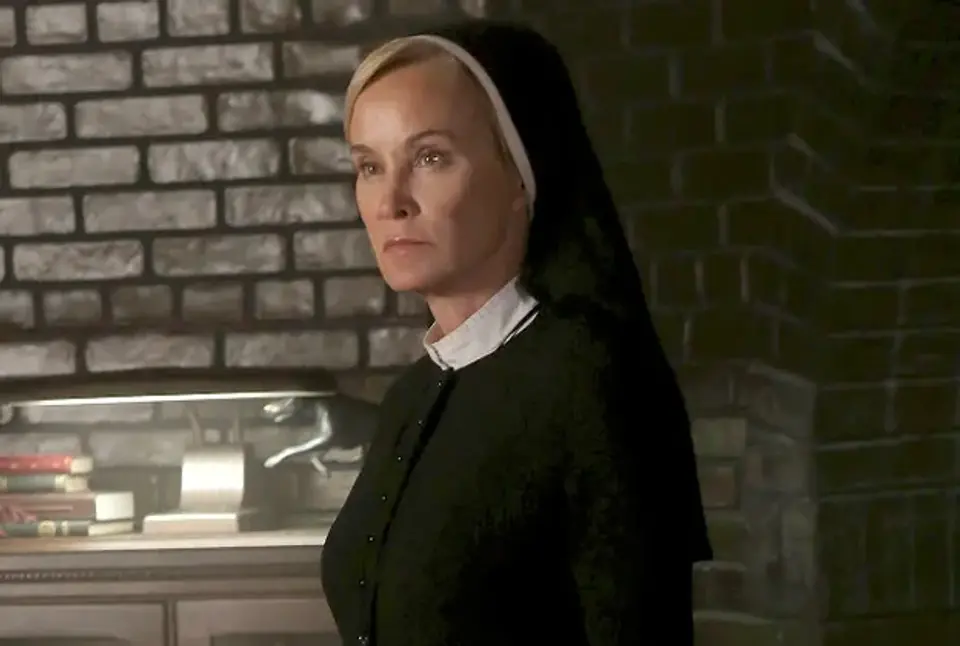
Season 2: Asylum
Aired: 2012–2013
Episodes: 13
Primary Setting: Briarcliff Manor, Massachusetts
Types of Horror: Institutional horror, psychological horror, religious horror, demonic possession, serial-killer horror, body horror, science fiction
The Central Story: Journalist Lana Winters enters Briarcliff Manor to investigate the institution and accused serial killer Kit Walker, only to become imprisoned within a system where abuse, religious authority, medical experimentation and supernatural evil are all competing to see which can be most horrifying.
The Season’s Vibe: Oppressive, bleak, paranoid and relentlessly unsettling.
Why It Matters: Asylum proved that the anthology experiment actually worked. AHS could abandon its setting, characters and story after one successful season, bring back many of the same actors as completely different people and still retain an audience. That realization created the franchise as we know it.
 EVAN PETERS
 Season 3: Coven
Aired: 2013–2014
Episodes: 13
Primary Setting: New Orleans, Louisiana
Types of Horror: Witchcraft, supernatural horror, Southern Gothic, historical horror, dark fantasy
The Central Story: A group of young witches gathers at Miss Robichaux’s Academy while the aging Supreme, Fiona Goode, desperately attempts to hold onto her power amid internal rivalries, an old conflict with Marie Laveau and the question of which witch will rise as the next Supreme.
The Season’s Vibe: Gothic, glamorous, bitchy, funny, violent and fabulously supernatural.
Why It Matters: Coven proved AHS did not have to be relentlessly miserable to work. It introduced some of the franchise’s most beloved characters and expanded its tonal range enormously, while its mythology became important enough that five years later AHS essentially built a crossover event around returning to it.
Season 4: Freak Show
Aired: 2014–2015
Episodes: 13
Primary Setting: Jupiter, Florida, in 1952
Types of Horror: Carnival horror, body horror, serial-killer horror, psychological horror, historical horror
The Central Story: Elsa Mars struggles to keep her traveling freak show alive as television threatens the sideshow business, while her performers contend with exploitation, prejudice and a collection of outside threats that includes one of the most disturbing clowns ever allowed near a television camera.
The Season’s Vibe: Melancholic, theatrical, grotesque, colorful and surprisingly tragic.
Why It Matters: Freak Show closed the original Jessica Lange era of AHS and gave the franchise one of its most visually distinctive worlds. It also strengthened the emerging shared-universe mythology through direct connections with Asylum.
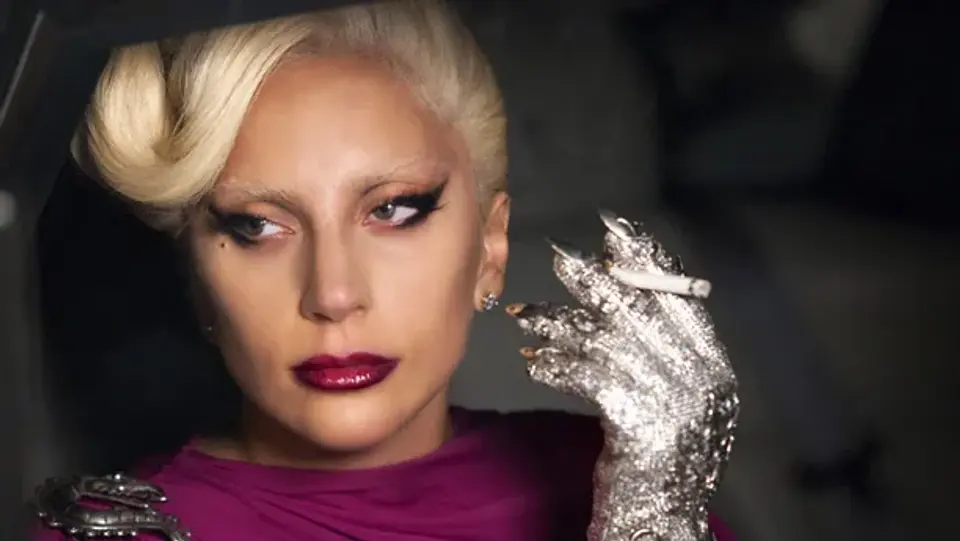
Season 5: Hotel
Aired: 2015–2016
Episodes: 12
Primary Setting: The Hotel Cortez in Los Angeles
Types of Horror: Gothic horror, supernatural horror, serial-killer horror, addiction horror, vampire-adjacent horror, body horror
The Central Story: Detective John Lowe’s investigation into a series of gruesome murders draws him into the Hotel Cortez, where ghosts, killers, addicts and the blood-drinking Countess have turned checking out into considerably more of a challenge than checking in.
The Season’s Vibe: Decadent, bloody, sexual, glamorous and completely unrestrained.
Why It Matters: This was the first season made without Jessica Lange as a regular, making it an important test of whether AHS could survive beyond its original leading lady. Lady Gaga’s Countess helped give the new era its own identity, while Hotel also made the interconnected nature of the franchise increasingly explicit.
Season 6: Roanoke
Aired: 2016
Episodes: 10
Primary Setting: Rural North Carolina
Types of Horror: Found footage, folk horror, haunted-house horror, reality-TV horror, supernatural horror, survival horror
The Central Story: A couple recounts terrifying events that occurred after they moved into an isolated farmhouse for the paranormal reenactment series My Roanoke Nightmare. The season then radically changes its own format and forces the people who experienced the events together with the actors who portrayed them, because apparently surviving the first nightmare was not sufficient warning.
The Season’s Vibe: Experimental, brutal, disorienting and increasingly vicious.
Why It Matters: Roanoke is one of AHS’s biggest structural experiments. After five seasons had established a recognizable formula, the series deliberately broke it by playing with reenactment television, found footage and reality programming instead of simply placing another ensemble into another Gothic location.
Season 7: Cult
Aired: 2017
Episodes: 11
Primary Setting: Brookfield Heights, Michigan
Types of Horror: Psychological horror, cult horror, political horror, home-invasion horror, phobia-based horror
The Central Story: In the aftermath of the 2016 presidential election, Ally Mayfair-Richards finds her deepest fears becoming increasingly difficult to separate from reality while Kai Anderson learns how effectively fear, anger and isolation can be manipulated into devotion.
The Season’s Vibe: Anxious, confrontational, paranoid and intentionally exhausting.
Why It Matters: Cult removes the supernatural safety net and makes human manipulation the primary source of horror. It is also one of Evan Peters’ biggest showcases in the entire series and one of the clearest examples of AHS responding directly to the cultural moment in which it was produced.
Season 8: Apocalypse
Aired: 2018
Episodes: 10
Primary Settings: A post-nuclear bunker, Los Angeles and several major locations from earlier seasons
Types of Horror: Apocalyptic horror, supernatural horror, witchcraft, occult horror, dark fantasy
The Central Story: A nuclear catastrophe appears to introduce an entirely new AHS story until Michael Langdon arrives and the season gradually reveals its real identity as a massive continuation of Murder House and Coven, with Hotel also incorporated into the crossover mythology.
The Season’s Vibe: Apocalyptic, supernatural, nostalgic, campy and deliberately fan-service heavy.
Why It Matters: Apocalypse finally confirms that the connected AHS universe is not merely a collection of Easter eggs. Characters, events and supernatural rules from earlier installments directly determine what happens here, making this the one season I absolutely would not recommend watching cold.
Season 9: 1984
Aired: 2019
Episodes: 9
Primary Setting: Camp Redwood, California
Types of Horror: Slasher, summer-camp horror, supernatural horror, serial-killer horror, survival horror
The Central Story: A group of young people heads to Camp Redwood for the summer and discovers that its history of murder is considerably less historical than they would prefer, allowing AHS to tear into the language of the 1980s slasher movie with tremendous enthusiasm.
The Season’s Vibe: Neon-soaked, bloody, nostalgic, energetic and knowingly ridiculous.
Why It Matters: 1984 is AHS committing almost completely to one of horror’s most recognizable subgenres. Its nine-episode length also makes it the shortest season up to that point, which gives the story an energy some of the more sprawling installments lose.
Season 10: Double Feature
Aired: 2021
Episodes: 10
Primary Settings: Provincetown, Massachusetts, and the American Southwest
Types of Horror: Body horror, vampiric horror, artistic horror, science fiction, alien horror, conspiracy horror
The Central Story: Rather than telling one story, Season 10 is split between the six-episode Red Tide, about a mysterious drug that can unlock creative potential at a horrific cost, and the four-episode Death Valley, which dives into UFO mythology, government conspiracies and alien experimentation.
The Season’s Vibe: Cold, atmospheric and creatively vicious in Red Tide, followed by pulpy, conspiratorial science fiction in Death Valley.
Why It Matters: Double Feature is the only completed AHS season to divide itself into two separately titled stories, making it another attempt to rethink what an AHS “season” actually needs to be. Its ten episodes are officially counted together as the tenth installment.
Season 11: NYC
Aired: 2022
Episodes: 10
Primary Setting: New York City in 1981
Types of Horror: Serial-killer horror, psychological horror, historical horror, disease horror, allegorical horror
The Central Story: Gay men are disappearing and being murdered across New York while another, initially mysterious threat begins spreading through the community, placing the story against the terrifying historical backdrop of the emerging AIDS crisis.
The Season’s Vibe: Somber, sweaty, ominous, mournful and considerably less campy than traditional AHS.
Why It Matters: NYC is one of the franchise’s most dramatic tonal departures. Rather than using history primarily as material for supernatural spectacle, the season increasingly uses horror to confront real loss, institutional indifference and the devastation awaiting a community whose characters cannot yet know what the audience already does.
Season 12: Delicate
Aired: 2023–2024
Episodes: 9
Primary Setting: Primarily New York
Types of Horror: Pregnancy horror, body horror, psychological horror, paranoia, occult horror
The Central Story: Actress Anna Victoria Alcott becomes convinced that someone is targeting both her and her pregnancy as her career reaches a new level of success, leaving her increasingly unsure which people around her can be trusted. The season is based on Danielle Valentine’s novel Delicate Condition, making it the first AHS installment built around an adaptation rather than an original season premise. FX split the nine episodes into two parts.
The Season’s Vibe: Paranoid, sleek, slow-burning and deeply fixated on bodily autonomy and motherhood.
Why It Matters: Delicate returns to anxieties that have existed in AHS since Murder House, particularly pregnancy, motherhood and control over women’s bodies, but approaches them through source material rather than an entirely original Ryan Murphy and Brad Falchuk concept.
Season 13: 13
Aired: 2026
Episodes: 13
Primary Setting: We don't know yet.
Types of Horror: We don't know that yet either.
The Central Story: Nope, idk.
The Season’s Vibe: Got nothing.
Why It Matters: 13 is set to bring back Jessica Lange and nearly all of the fan favorites from seasons past, but the actual plot is a mystery for now.
The American Horror Story Universe Explained
For the first few years of American Horror Story, the rules seemed pretty straightforward. Every season was its own nightmare, the actors returned as different characters, and the fact that Jessica Lange could be Constance Langdon one year and Sister Jude the next was simply part of the anthology "gimmick". We were not supposed to wonder whether Constance and Jude might accidentally meet someday and become deeply confused about why they looked exactly alike.
Then Freak Show brought Pepper back.
And that changed everything for us AHS fans.
Pepper had originally appeared as a patient at Briarcliff in Asylum, but Freak Show takes place earlier, in the 1950s, and reveals her life as part of Elsa Mars’ troupe before she was institutionalized. The connection becomes completely explicit in “Orphans,” when Pepper is sent to Briarcliff and encounters Sister Mary Eunice, years before Mary Eunice’s possession and the events we watched in Asylum. Pepper became the first AHS character to cross directly from one season into another, and suddenly the anthology was no longer quite as separate as we had assumed.
It did not stop with Pepper, either. Freak Show reaches deeper into Asylum by connecting Elsa’s horrifying past to Hans Grüper, the Nazi doctor who later assumes the identity of Dr. Arthur Arden at Briarcliff. Instead of simply dropping a familiar character into the story as a fun callback, AHS was beginning to use one season to expand the history of another.
That is the moment when watching AHS starts becoming a different experience. Now a familiar surname might mean something, a character who seemingly finished their story several seasons ago might return, and an apparently self-contained plot could suddenly reveal that it occupies the same world as something we watched years earlier.
The anthology had become a universe.
Murder House Checks Into Hotel
Hotel pushes the experiment considerably further.
Marcy, the realtor who sold the Harmons their catastrophically ill-advised home in Murder House, returns as the realtor handling the Hotel Cortez. Apparently experiencing one supernatural real-estate disaster was not enough to convince this woman to consider another profession.
Her appearance is amusing, but another crossover has much larger consequences - Queenie arrives.
The human voodoo doll we met as one of the young witches in Coven travels to Los Angeles and checks into the Cortez while planning to appear on The Price Is Right (Yes, IK lol). Unfortunately, she encounters James Patrick March instead, which means her California vacation goes approximately as well as most vacations involving the Hotel Cortez.
This connection is fundamentally different from Pepper’s.
Freak Show expanded the past of Asylum. Queenie’s appearance demonstrates that Coven and Hotel are happening within the same contemporary world and that characters can physically move between these supposedly independent stories.
Suddenly the question is no longer whether the seasons connect - the question becomes how many of them connect?
Roanoke Expands the Family Tree
Roanoke adds another wonderfully unnecessary branch to the AHS genealogy through Edward Philippe Mott.
Edward is the wealthy eighteenth-century owner of the Roanoke house, whose obsession with art and isolation eventually puts him directly in the path of the supernatural forces occupying the land. His surname is not coincidental. He is an ancestor of Gloria and Dandy Mott from Freak Show.
I love this kind of connection because you do not need it to understand either story. Nobody watching Roanoke is going to become hopelessly confused because they have not memorized Dandy Mott’s family tree. However, longtime viewers get an extra layer of history from realizing that apparently the Mott family’s relationship with horrifying behavior goes back considerably farther than 1952.
Roanoke also reconnects directly with Asylum when Lana Winters returns to interview Lee Harris. That appearance is much more significant than a shared surname because Sarah Paulson is explicitly returning as Lana, decades after the events that made her one of AHS’s greatest survivors.
At this point, the connections are no longer rare accidents. The franchise is actively rewarding viewers for remembering its history.
Then Apocalypse Kicks the Door Off Its Hinges
Everything before Season 8 feels restrained compared with what Apocalypse eventually does.
The season initially appears to be another reset. Nuclear weapons have devastated the world, survivors are living inside an underground outpost, and AHS seems to be telling its version of end-of-the-world horror.
And then Michael Langdon arrives.
Anyone who remembers Murder House knows that surname, and anyone who really remembers Murder House knows exactly why Michael’s existence is a gigantic problem.
Michael is connected directly to the first season’s mythology, and Apocalypse eventually reveals itself as much more than a story about surviving nuclear annihilation. The witches from Coven return, including Cordelia, Madison, Myrtle, Queenie, Zoe and Misty, and the story begins pulling together mythology established across multiple earlier installments.
This is where Hotel becomes retroactively even more important.
Queenie’s fate at the Cortez was originally a crossover between two seasons. Apocalypse incorporates what happened to her into its own story, meaning an event from Hotel now directly affects characters and mythology from Coven inside a season whose central antagonist originates in Murder House.
That is no longer an Easter egg.
That is serialized storytelling spread across an anthology - which is actually really friggin genius.
The season eventually goes all the way back to where AHS began, returning physically to Murder House and bringing back characters from the first season. Jessica Lange returns as Constance Langdon, while the story revisits the Harmon family and finally continues threads that had been sitting untouched since 2011.
Seven years after Murder House ended, AHS suddenly made Season 1 required reading again.
That is why I always warn people DO NOT start with Apocalypse. You technically could follow the basic plot, but you would be stripping away most of what makes the season interesting. The emotional and narrative payoff depends on knowing these characters, locations and relationships before they return.
Watching Apocalypse before Murder House and Coven is basically volunteering to attend someone else’s high school reunion.
Everyone is extremely excited to see each other, and you have absolutely no idea why.
Which brings us to the people who made that possible in the first place: the actors who could return year after year, become somebody completely different and somehow remain the most recognizable part of American Horror Story.
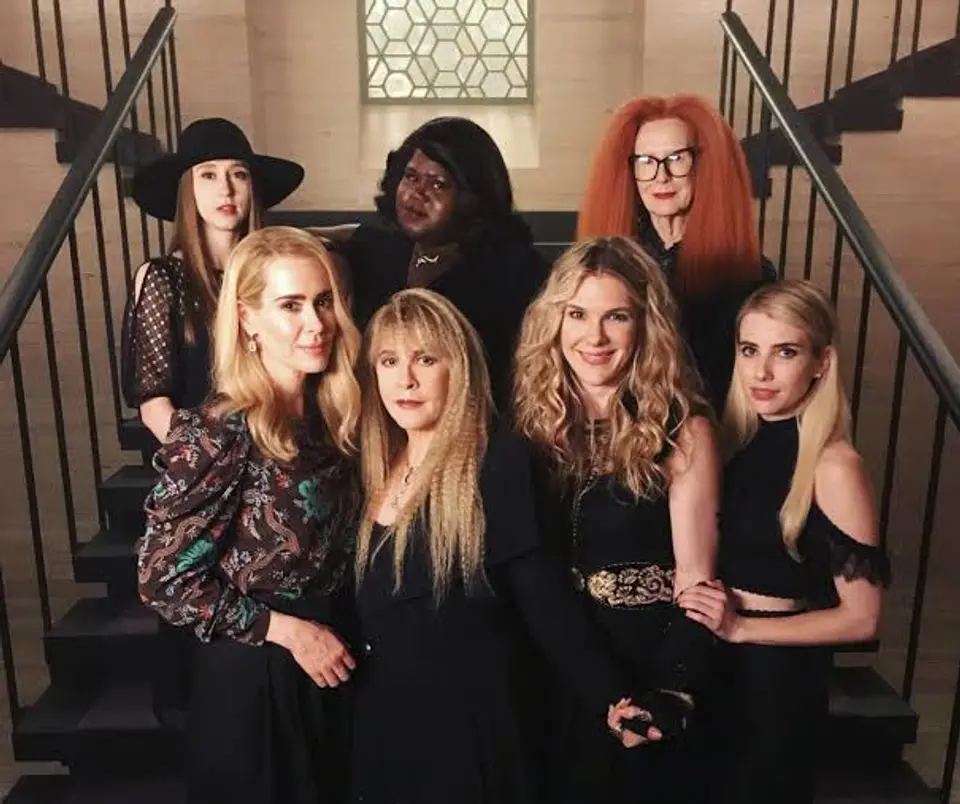
The Actors Who Built American Horror Story
The monsters change. The locations change. The time periods change and occasionally the entire genre changes halfway through the season because American Horror Story considers consistency a personal attack. The one thing that made all of those reinventions feel like chapters of the same television series was the cast.
That repertory-company approach eventually became as important to AHS as the anthology format itself. We did not need to know who Sarah Paulson was playing yet in order to get excited that Sarah Paulson was coming back. Seeing Evan Peters in the cast announcement immediately created questions about what horrifying new life Ryan Murphy had prepared for him. When Frances Conroy appeared, I knew there was at least a reasonable chance that fabulous clothing and extremely unusual behavior were somewhere in my very near future.
It also created a relationship between actors and audiences that very few television shows can replicate. Most actors spend years building one character. AHS asked its regulars to spend a season making us believe in someone and then come back the following year pretending that person had never existed. The same performer could be a hero one season, a monster the next and someone completely impossible to categorize after that.
Sarah Paulson, Evan Peters and Lily Rabe each appeared across nine of the first 12 seasons, while Frances Conroy and Denis O’Hare appeared across eight. Those numbers explain part of the show’s continuity, but they do not really capture what the actors contributed. The best AHS performers did something much more difficult: they helped create a recognizable franchise without needing recognizable characters.
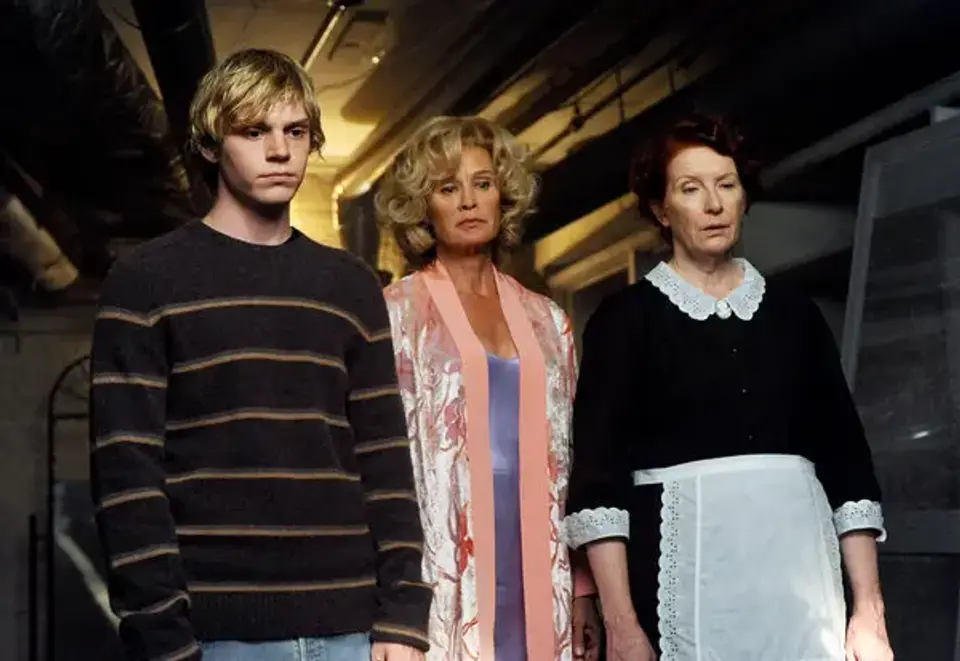
Jessica Lange: The Original Queen of AHS
There is American Horror Story before Jessica Lange leaves as a regular, and there is American Horror Story afterward. The show obviously survived her departure, sometimes extremely well, but pretending those periods feel identical would be ridiculous.
Lange enters Murder House as Constance Langdon and immediately seems to understand the tone of AHS before the rest of us even know what the tone is. Constance can be vicious, hilarious, tragic and completely theatrical without feeling as though Lange is winking at the audience. That ability became enormously important because AHS would eventually ask its actors to perform increasingly outrageous material while maintaining complete emotional commitment.
Constance also changed Lange’s career in an unexpected way. She was already a two-time Academy Award winner with nothing left to prove, yet AHS introduced her to another generation and made her the face of a television horror franchise. Her performance won the Emmy for Outstanding Supporting Actress in a Miniseries or Movie in 2012.
Then Asylum gave her Sister Jude Martin and proved Constance had not been a lucky collision between performer and character. Jude begins as Briarcliff’s terrifying authority figure before the season dismantles nearly everything that gives her power. Lange gets to play cruelty, guilt, fear, humiliation, mental deterioration and eventually an unexpected kind of redemption. It is one of the best character arcs AHS has ever given anybody.
Fiona Goode in Coven feels completely different again. Fiona is glamorous, narcissistic and terrified of mortality, which allows Lange to turn the fear of aging into the engine of a supernatural power struggle. Elsa Mars in Freak Show takes the obsession with fame and aging in another direction, playing a woman who has created a family of outsiders while still desperately wanting the world outside that family to adore her.
Those four women share certain themes, particularly power, aging, regret and the terror of becoming irrelevant, but Lange never makes them interchangeable.
Her departure after Freak Show therefore mattered beyond losing a popular cast member. AHS lost the performer around whom its first era had largely been constructed.
When she eventually returned as Constance in Apocalypse, it felt like AHS royalty walking back into the building.
And now that Season 13 is bringing Lange back again, Murphy is leaning directly into that history: current rumors say she'll revisit all four of her major AHS characters. That is about as explicit an acknowledgment of her importance to this franchise as you could possibly make.
Sarah Paulson: The Heart of the Franchise
If Jessica Lange defined the first era of AHS, Sarah Paulson became the performer most capable of carrying the franchise beyond it.
Her first appearance as Billie Dean Howard in Murder House is relatively small, especially compared with what comes next. Then Asylum gives her Lana Winters, and everything changes.
Lana is one of the great AHS protagonists because Paulson gives the season an emotional center strong enough to survive the insanity surrounding her. Briarcliff, Bloody Face, conversion therapy, institutional abuse and everything else thrown at Lana could easily reduce the character to a collection of horrible things happening to her. Paulson never allows that to happen because Lana’s ambition, intelligence, stubbornness and will to survive remain present throughout the nightmare.
Coven gives Paulson Cordelia, whose journey requires something quieter. Cordelia begins underneath Fiona’s enormous shadow and gradually becomes capable of occupying the position her mother has spent her life refusing to surrender.
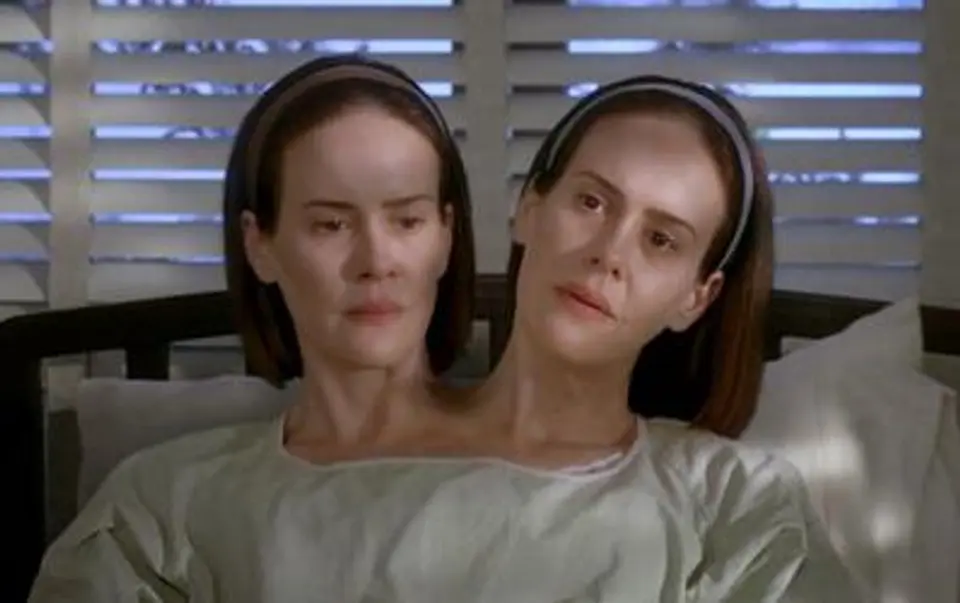
Then Freak Show asks Paulson to play Bette and Dot Tattler simultaneously.
That could have been a technical gimmick. Instead, Paulson creates two distinct women who happen to share a body, giving them different personalities, desires and relationships with Elsa’s world. The visual effects make the illusion possible, but Paulson makes Bette and Dot characters rather than an effect.
After that come Sally McKenna and the returning Billie Dean in Hotel, Audrey Tindall and a returning Lana Winters in Roanoke, Ally Mayfair-Richards in Cult, Cordelia and Billie Dean again in Apocalypse, and the dual assignments of Tuberculosis Karen and Mamie Eisenhower in Double Feature. FX’s season cast listings show just how dramatically Paulson’s roles move across the franchise, from Lana to Cordelia, Bette and Dot, Sally, Audrey, Ally and Karen.
What Paulson brings to AHS better than almost anyone is sincerity. She can be surrounded by material that has become completely unhinged and still convince me that the emotional stakes matter.
Yes, Sarah Paulson screaming eventually became enough of an AHS tradition that you could probably identify the franchise using only audio clips of her being horrified.
There is considerably more to her work than the screams, though.
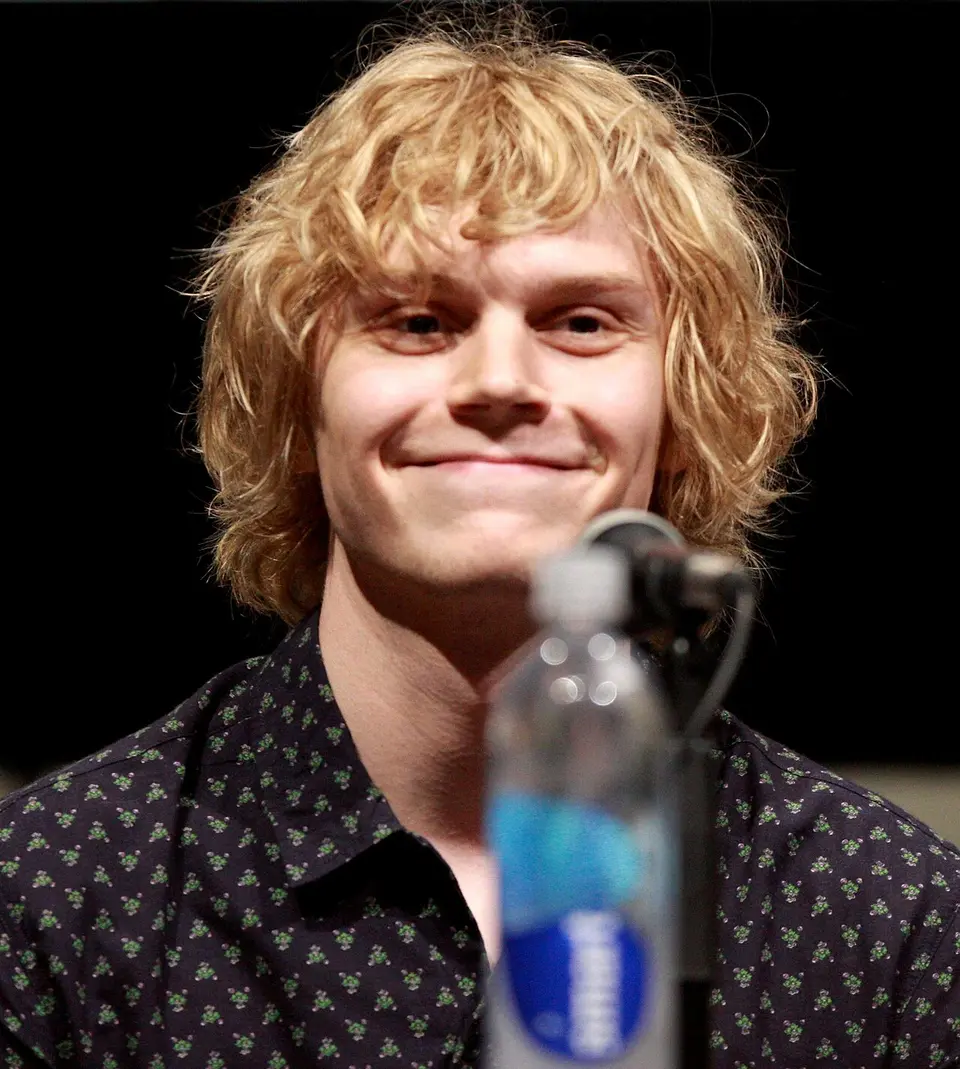
Evan Peters: From AHS Heartthrob to Human Nightmare
Evan Peters had one of the strangest journeys through the franchise because his first character became so popular that it could easily have trapped him.
Tate Langdon was one of the breakout characters of Murder House. Peters had the charisma and vulnerability necessary to make Tate compelling while the story gradually revealed increasingly horrifying things about him. The danger with a character that popular is that a show can spend years trying to recreate him.
AHS mostly resisted that temptation.
Kit Walker in Asylum immediately moves Peters toward a very different kind of character, while Kyle Spencer in Coven reduces his dialogue and asks him to communicate trauma physically. Jimmy Darling in Freak Show gives him another sympathetic outsider, but Jimmy’s relationship with his family and community separates him from Kit.
Then Hotel lets Peters become James Patrick March, and I think that is where his AHS career becomes really interesting.
March is nothing like the brooding young men Peters initially became associated with. He is flamboyant, theatrical, homicidal and clearly enormously fun to play. Peters seems to discover an entirely different gear as a performer, and AHS subsequently becomes much more willing to use him as a villain.
That eventually gives us Kai Anderson.
Cult puts Peters at the center of the season and asks him to make Kai charismatic enough that people might follow him while never allowing us to forget how dangerous that charisma is. Peters also portrays several historical cult figures and political personalities during the season, turning Cult into one of the biggest acting showcases AHS ever gave him.
Across the first 12 seasons, Peters appeared in nine installments and accumulated more distinct roles than any other AHS performer. The remarkable part is not the number, though. It is how far he traveled from the actor we thought we understood after Murder House.
AHS introduced Peters to a huge audience as Tate Langdon and then spent years proving Tate was nowhere near the limit of what he could do.
The Monsters, Killers and Villains of American Horror Story
For a series with “Horror” sitting right there in the title, American Horror Story has a surprisingly complicated relationship with monsters. Sometimes the threat is exactly what it looks like: a masked killer, a ghost or something supernatural waiting in the dark. Just as often, AHS spends an entire season reminding us that the person standing next to the monster may be considerably worse.
That idea runs all the way back to Murder House. The house is supernatural, but most of the tragedies trapped inside it began with painfully human decisions. Asylum contains demonic possession and alien abductions, yet some of its most disturbing horror comes from doctors, religious authorities and institutions abusing people who cannot escape them. Freak Show puts supposedly “abnormal” bodies on display before repeatedly demonstrating that the wealthy young man living comfortably in a mansion is capable of greater monstrosity than almost anyone underneath Elsa’s tent.
AHS has always loved that reversal, which is why its best villains are rarely interchangeable boogeymen. They represent whatever particular fear their season is trying to explore.
Rubber Man
Season: Murder House
Type: Supernatural killer / disguise
Why It Works: Mystery, sexuality and violation
Franchise Legacy: One of the defining images of early AHS
Bloody Face
Season: Asylum
Type: Serial killer
Primary Identity: Dr. Oliver Thredson
Played By: Zachary Quinto
Why It Works: Betrayal and psychological horror
Franchise Legacy: One of AHS’s best villain reveals
The Devil
Season: Asylum
Primary Vessel: Sister Mary Eunice
Played By: Lily Rabe
Type: Demonic possession
Why It Works: Corruption of innocence
Franchise Legacy: One of the franchise’s strongest supernatural storylines
Madame Delphine LaLaurie
Season: Coven
Played By: Kathy Bates
Type: Human monster / fictionalized historical figure
Why It Works: The horror comes from human cruelty
Franchise Legacy: One of AHS’s most complicated villains
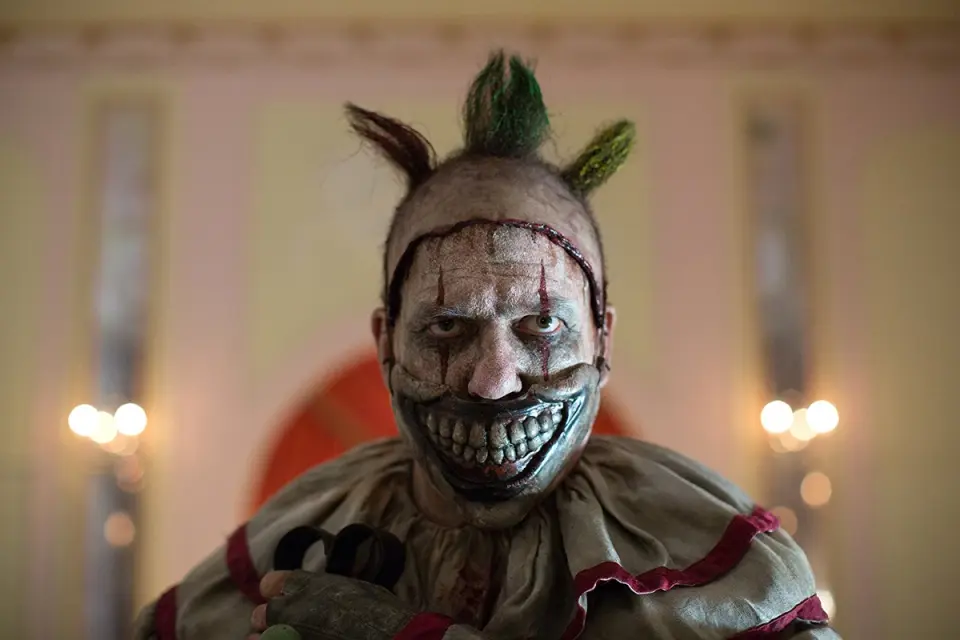
Twisty the Clown
Season: Freak Show
Played By: John Carroll Lynch
Type: Killer clown
Why It Works: Incredible visual design combined with tragedy
Franchise Legacy: One of the most recognizable AHS monsters
Dandy Mott
Season: Freak Show
Played By: Finn Wittrock
Type: Human psychopath
Why It Works: Entitlement becomes monstrous
Franchise Legacy: One of the best human villains in AHS
James Patrick March
Season: Hotel
Played By: Evan Peters
Type: Serial killer / ghost
Why It Works: Old-Hollywood theatricality mixed with extreme violence
Franchise Legacy: One of Evan Peters’ signature AHS performances
The Addiction Demon
Season: Hotel
Type: Supernatural manifestation
Why It Works: It turns addiction into physical horror
Franchise Legacy: Possibly the most disturbing creature design in AHS
The Butcher
Season: Roanoke
Type: Ghost / colonial leader
Why It Works: The season gives us multiple versions of the same monster
Franchise Legacy: Perfectly suited to Roanoke’s reality vs reenactment structure
Kai Anderson
Season: Cult
Played By: Evan Peters
Type: Cult leader / human antagonist
Why It Works: He weaponizes fear rather than supernatural power
Franchise Legacy: One of Evan Peters’ darkest performances
Michael Langdon
Seasons: Murder House / Apocalypse
Played By in Apocalypse: Cody Fern
Type: Antichrist
Why It Works: His mythology reaches back to the beginning of AHS
Franchise Legacy: The central villain of the franchise’s biggest crossover
Mr. Jingles
Season: 1984
Real Name: Benjamin Richter
Played By: John Carroll Lynch
Type: Slasher / accused mass murderer
Why It Works: AHS deconstructs its own slasher
Franchise Legacy: The defining killer of the show’s slasher season
Big Daddy
Season: NYC
Type: Symbolic / supernatural figure
Why It Works: He operates as an embodiment of a much larger threat
Franchise Legacy: One of AHS’s most overtly allegorical monsters
What Makes American Horror Story Feel Like American Horror Story
The genius of the anthology format is that AHS can change almost everything and still remain recognizable. Murder House uses haunted-house horror, Asylum piles institutional terror, possession, serial killers and science fiction into one nightmare, Coven embraces witchcraft and Southern Gothic, Roanoke plays with reenactment television and found footage, Cult removes the supernatural almost entirely, 1984 dives into slashers, and NYC turns historical knowledge into part of the horror. The genre changes, but the obsessions underneath it rarely do.
Again and again, AHS returns to damaged families, outsiders building their own communities, institutions abusing power, women fighting for control over their bodies and lives, people terrified of aging or irrelevance, and characters discovering that the past is much harder to escape than they hoped. That is why two seasons can look completely different while still feeling related.
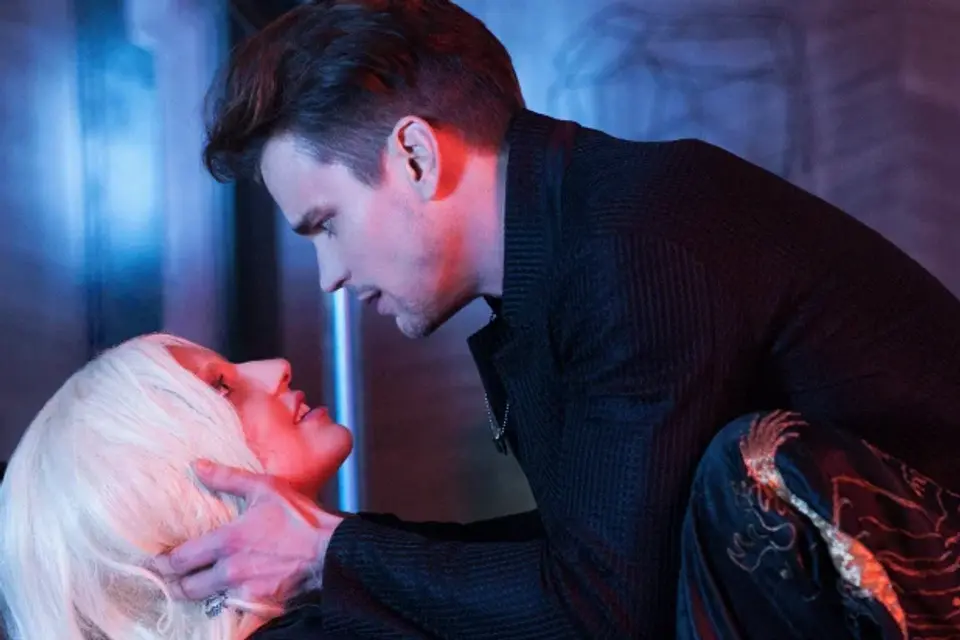
The other constant is excess. AHS has always mixed sex, camp, gore, glamour and melodrama with a confidence that can be exhilarating when the balance works and completely exhausting when it does not. Murder House connects desire with danger almost immediately through the Harmon marriage and Rubber Man, Asylum uses repression and sexuality as instruments of control, Coven discovers how naturally supernatural horror can coexist with camp, and Hotel practically merges sex, blood, addiction and high fashion into one visual language.
Camp is especially important because AHS rarely asks its best actors to apologize for the material. Jessica Lange, Angela Bassett, Kathy Bates, Frances Conroy, Denis O’Hare and Sarah Paulson commit to the emotional reality even when the dialogue, costumes or plot have become spectacularly heightened. That sincerity is what allows Myrtle Snow to be hilarious without becoming meaningless, or Sister Jude to exist in the same franchise as some of its most outrageous set pieces.
The visual world matters just as much. Costume designer Lou Eyrich’s Emmy-winning work on Coven and Freak Show demonstrated how wardrobe could help completely reinvent returning actors, while Hotel turned the Countess into a collision of old-Hollywood glamour, fashion iconography and violence. Production design follows the same principle: Murder House, Briarcliff, Miss Robichaux’s Academy, the Hotel Cortez and Camp Redwood all tell you what kind of nightmare you have entered before the story explains the rules.
AHS can absolutely overdo all of this. Graphic violence loses power when escalation becomes the point, camp can undercut emotional stakes, and Ryan Murphy’s maximalist instinct sometimes produces enough competing subplots to overwhelm the story. However, that willingness to go too far is also inseparable from the show’s identity. AHS would rather take an outrageous swing and occasionally miss than become safe, tasteful horror television. Even when a season goes off the rails, it usually does so in a way that could only happen on American Horror Story.
Behind the Screams: How American Horror Story Was Built
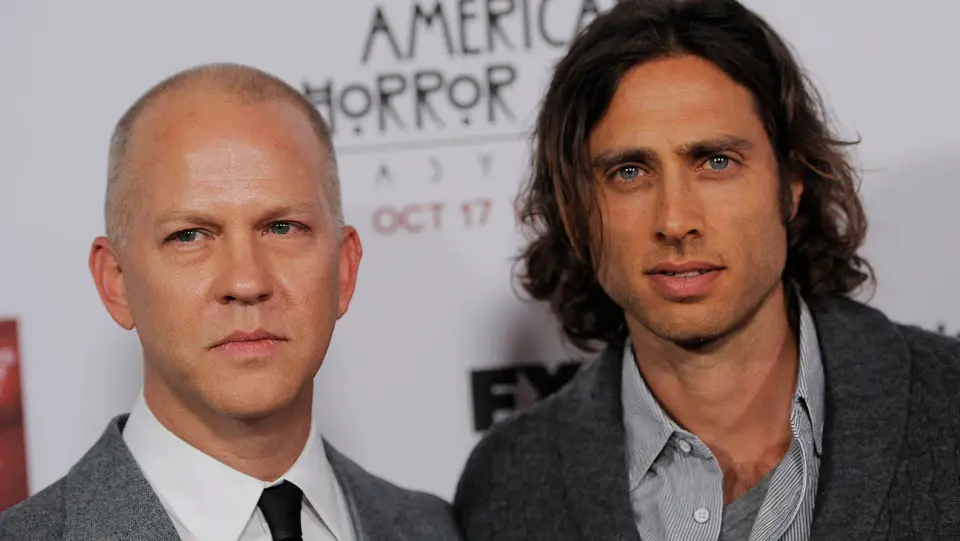
Ryan Murphy and Brad Falchuk created American Horror Story after working together on Nip/Tuck and Glee, and when the series premiered on FX in October 2011, they built it around an unusually demanding idea: instead of preserving a successful premise for as long as possible, the production would effectively reinvent itself every season. Murder House could have become the permanent setting of a conventional supernatural drama, but the decision to leave the Harmons behind meant that new installments required new characters, locations, periods, costumes, makeup, visual rules and often entirely different branches of horror. The anthology format gave AHS extraordinary creative freedom, but it also meant repeatedly surrendering many of the production advantages a long-running television series normally accumulates.
That constant rebuilding helped make production design one of the franchise’s most recognizable strengths. Murder House uses its ornate Los Angeles home to make domestic spaces feel increasingly claustrophobic, while Briarcliff gives Asylum a colder institutional world shaped by religious authority and confinement. Miss Robichaux’s Academy creates a polished Southern Gothic identity for Coven, and the Hotel Cortez turns Art Deco grandeur into something seductive enough that you almost understand why people keep walking through the doors despite the franchise’s absolutely terrible record with Los Angeles real estate. Camp Redwood accomplishes something different again by immediately placing 1984 inside the visual language of the summer-camp slasher. The settings change radically, but the attention given to building each nightmare is one of the reasons even an uneven season usually still looks unmistakably like AHS.
Costume, makeup and cinematography perform the same job because the returning actors need to become visually disconnected from characters audiences may have watched only months earlier. Jessica Lange cannot simply behave differently as Fiona Goode than she did as Sister Jude; the entire presentation of the character has to announce a new person and a new world. That challenge produced some of the franchise’s most memorable transformations, particularly in seasons such as Coven, Freak Show and Hotel, where wardrobe and makeup became inseparable from character. The anthology structure therefore turned departments that might provide continuity on another long-running drama into engines of reinvention here.
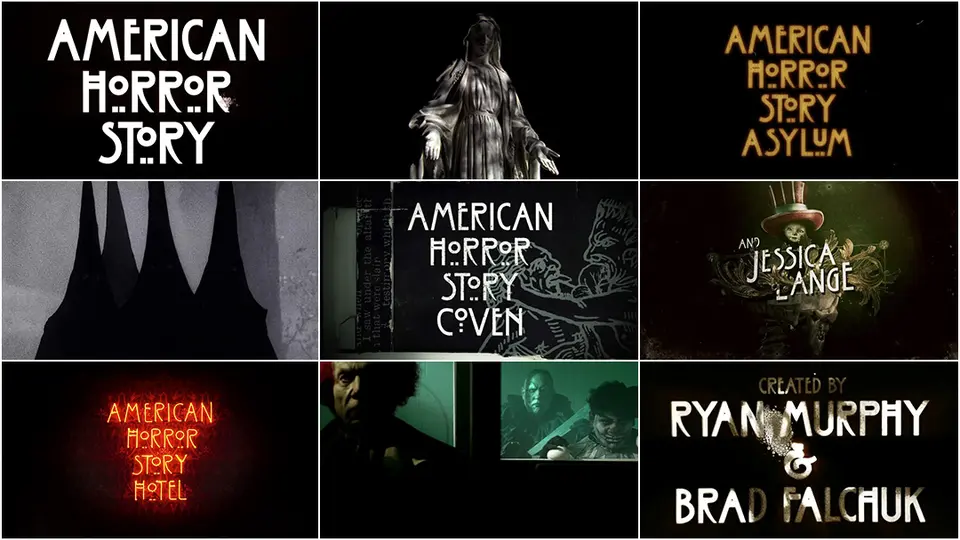
The Opening Credits Are Their Own Horror Story
I do not skip the American Horror Story opening credits. Like, ever. That should tell you something, because streaming has trained all of us to attack the “Skip Intro” button like it owes us money. The AHS opening credits are part of the experience that makes it American Horror Story.
The original theme, created by Cesar Davila-Irizarry and Charlie Clouser, combines industrial noise with distorted rhythms in a way that immediately signals that nothing pleasant is about to happen.
More importantly, every season adapts the visual language of the opening to its new theme. Murder House uses disturbing imagery connected to children, death and medical experimentation. Asylum adds religious and institutional imagery. Coven introduces witchcraft symbols. Freak Show uses carnival figures and distorted anatomy. Hotel transforms rooms, mattresses and religious imagery into nightmare fuel.
The opening credits often function less like a conventional cast introduction than a trailer made entirely from evidence collected at a crime scene. It's creepy, weird, stylish, artistic and absolutely batsh*t insane.
And that is absolutely a compliment.
American Horror Story and Real History
AHS loves taking real history and throwing it into fiction and that creates some of the show’s most fascinating material. But It also means viewers should never use AHS as their only history textbook unless they would like to fail spectacularly.
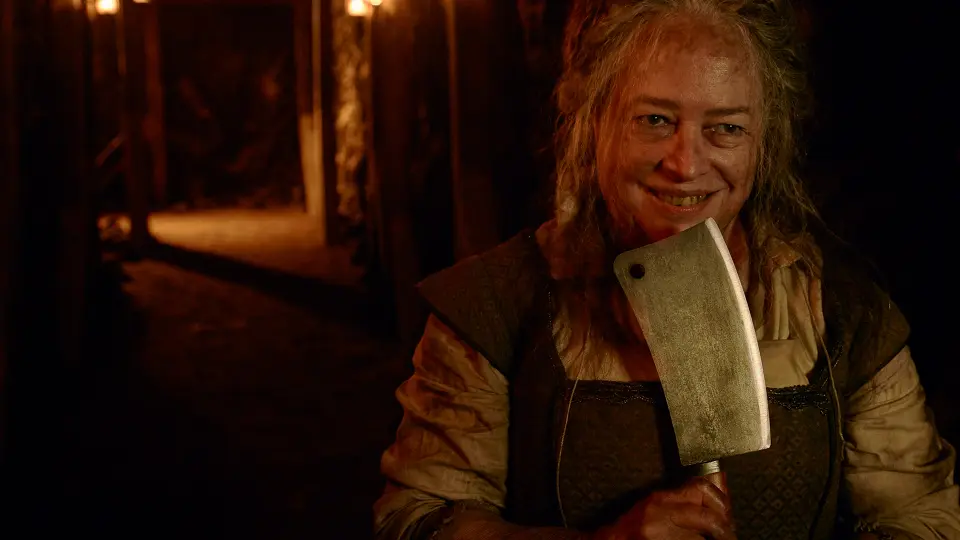
Madame Delphine LaLaurie
The real Delphine LaLaurie was a wealthy New Orleans socialite whose abuse of enslaved people became notorious after a fire at her home in 1834 exposed horrifying conditions.
Coven transforms LaLaurie into a supernatural character by imagining that Marie Laveau cursed her with immortality.
Kathy Bates’ performance is intentionally monstrous, but the actual history underneath the character involved real victims and should not be reduced to camp mythology.
Marie Laveau
Marie Laveau was a real nineteenth-century New Orleans Voodoo practitioner whose life became surrounded by legend.
AHS turns her into an immortal supernatural force and places her in direct conflict with Fiona’s witches.
Angela Bassett makes the fictionalized version unforgettable.
The historical Laveau deserves separation from that fantasy.
H.H. Holmes and the Hotel Cortez
James Patrick March is fictional, but his elaborate murder hotel clearly draws from the mythology surrounding serial killer H.H. Holmes. AHS frequently operates this way.
Rather than making a strict historical drama, it takes a real criminal or legend, exaggerates the mythology and folds it into its own universe.
Richard Ramirez
Richard Ramirez appears within AHS mythology as a fictionalized version of the real serial killer known as the Night Stalker.
His inclusion is one of the more complicated examples of the franchise’s fascination with real killers because AHS occasionally turns actual murderers into flamboyant entertainment.
That approach is worth examining critically, particularly as broader true-crime culture has become more conscious of the difference between studying criminals and glamorizing them.
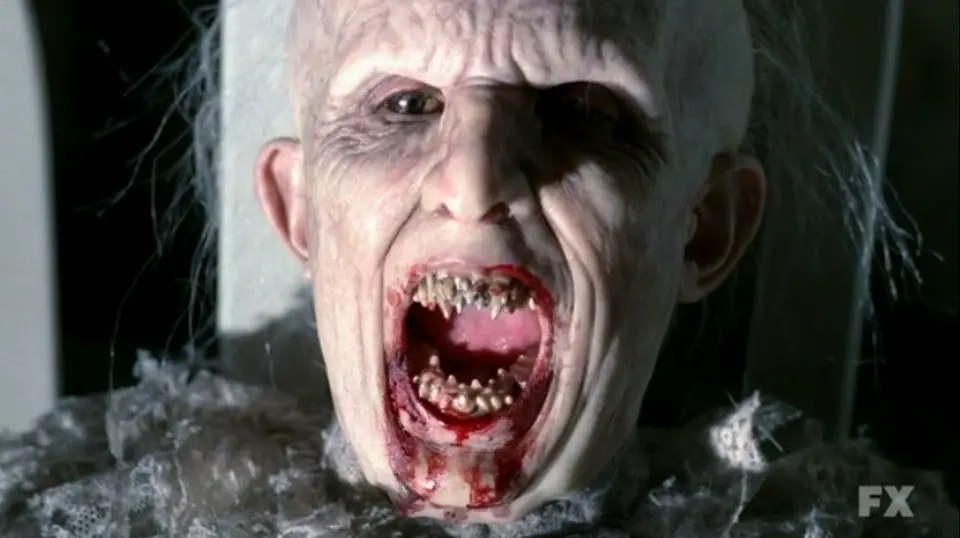 Television Before American Horror Story
AHS didn't invent horror television. It didn't invent anthology television either. Shows including The Twilight Zone, The Outer Limits, Tales from the Crypt and many others had demonstrated the power of anthology storytelling decades earlier.
What AHS helped popularize was a particular modern variation. Instead of resetting every episode, it reset every season. That allowed writers to develop characters and mythology while still promising audiences a completely new story the following year.
That format became increasingly common throughout prestige television in the years after AHS debuted.
The show’s success also arrived during a larger shift in the relationship between film and television. Major actors increasingly treated limited series and prestige cable projects as opportunities rather than smaller alternatives to film.
Jessica Lange, Kathy Bates, Angela Bassett and Lady Gaga gave AHS a level of star power that helped make each season’s casting announcements part of the event.
What Has Aged Well and What Has Not
Rewatching a long-running horror franchise inevitably reveals things that land differently years later. AHS has frequently been progressive in terms of centering queer characters and giving complicated roles to women across a broad age range. And that shouldn't be understated.
Television has historically been much kinder to aging male actors than women, and AHS built some of its most important roles around Jessica Lange, Kathy Bates, Angela Bassett and Frances Conroy. These women were not background mothers. They were witches, killers, leaders, villains, survivors and central dramatic forces. And that remains one of the franchise’s great strengths.
However, the series has also handled mental illness, disability, race, historical trauma and real-life murder with varying levels of sensitivity. Asylum deliberately critiques institutional abuse, but some of its imagery still participates in familiar “insane asylum” horror conventions.
Freak Show attempts to humanize people whose bodies are treated as spectacle, but it is still fundamentally a television production using those differences as part of its visual attraction. Coven brings real racial history into a supernatural camp narrative, sometimes creating provocative material and sometimes creating an uneasy collision between genuine atrocity and entertainment.
That complexity is worth discussing rather than pretending the show must either be declared perfect or condemned entirely.
AHS has always been messy. Sometimes that mess produces interesting conversations.
Awards, Reception and Performance
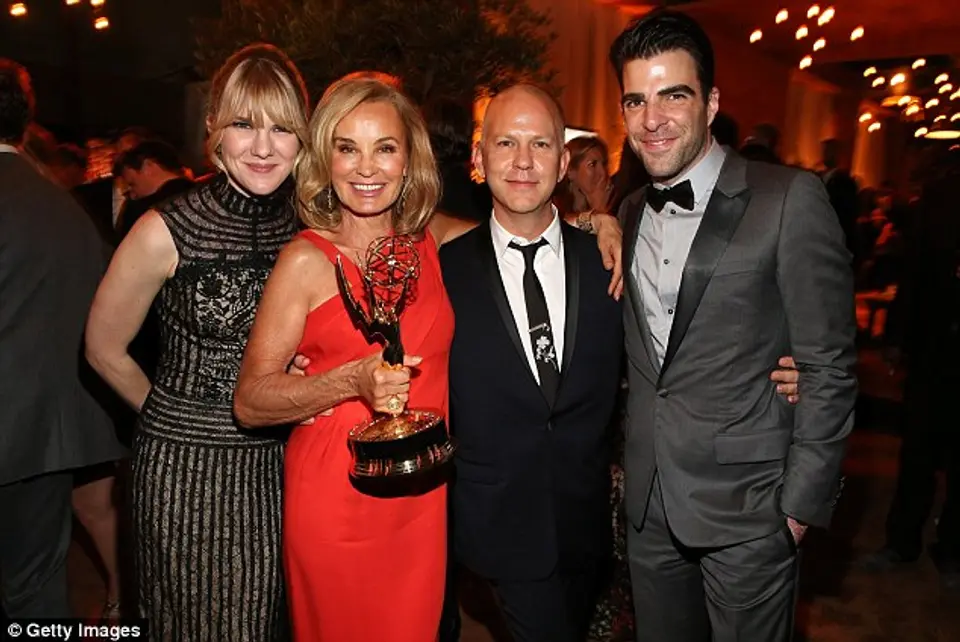
AHS established awards credibility almost immediately with Murder House racking up 17 Emmy nominations in its first year. Jessica Lange won the 2012 Emmy for her performance as Constance Langdon, while Connie Britton received a Lead Actress nomination for Vivien Harmon.
The awards recognition continued as the anthology evolved.
Jessica Lange later won Lead Actress for Fiona Goode in Coven, while Kathy Bates won Supporting Actress for playing Madame LaLaurie during the same awards cycle. Sarah Paulson received multiple nominations for her franchise performances. This recognition was important because horror has historically had an inconsistent relationship with major awards institutions.
AHS didn't have to escape its genre identity to receive attention. In many cases, the horror material was exactly what gave these performers unusually rich opportunities.
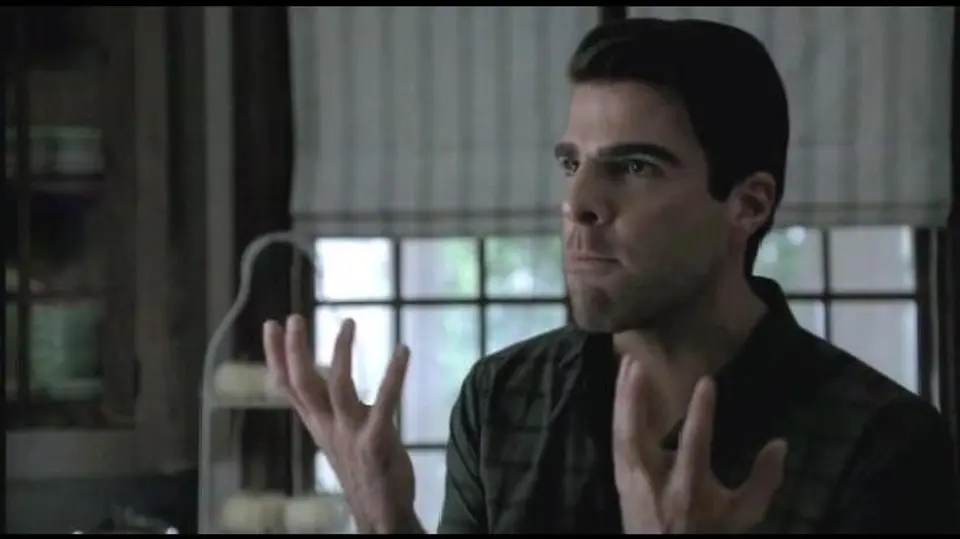 Where Should You Start With American Horror Story?
Anthology television gives us options. But my ultimate reccomendaiton is to use release order and start with Murder House.
AHS may be an anthology, but release order allows the returning actors, franchise evolution and cross-season connections to land the way audiences originally experienced them.
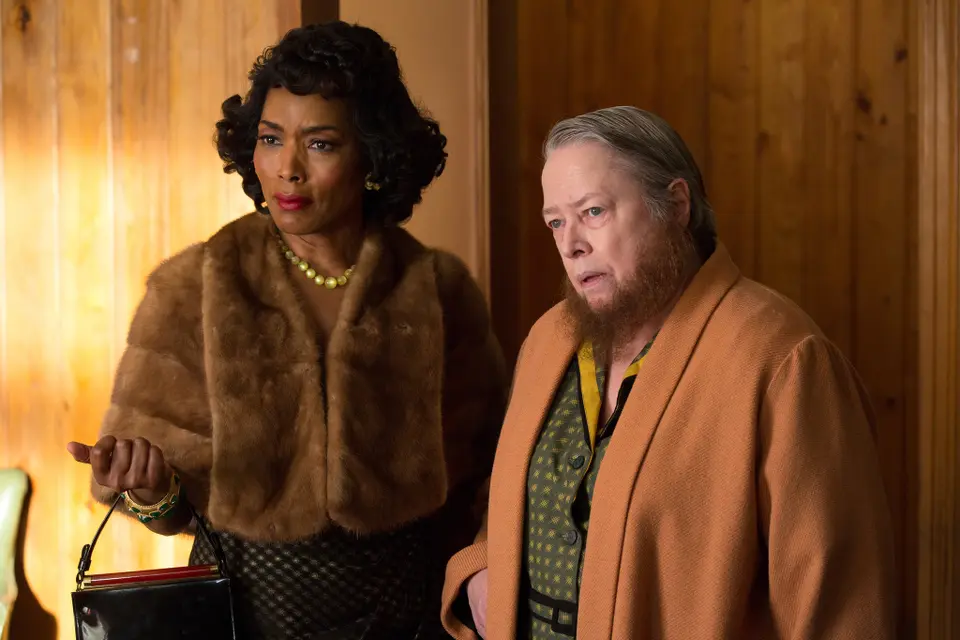
The Legacy of American Horror Story
The greatest achievement of American Horror Story may be that it created a television identity strong enough to survive the destruction of almost everything television normally depends on. Most long-running shows build loyalty around familiar characters, a stable premise and recognizable locations, while AHS repeatedly throws those advantages away. It can abandon the house, asylum, witches, hotel, summer camp and entire cast of characters, then return the following year and still feel unmistakably like the same franchise.
What survives those resets is less concrete but more important: the repertory-company performances, the visual ambition, the collision of horror with camp and melodrama, and the obsession with specifically American fears. Across its run, the series has used horror to explore family dysfunction, religion, sexuality, fame, politics, illness, addiction, prejudice and social exclusion while still leaving room for ghosts, serial killers, witches, aliens and the occasional killer clown. That flexibility is why the show can move from the claustrophobic Gothic tragedy of Murder House to the neon slasher energy of 1984 without completely losing its identity.
The seasonal anthology model is also a major part of the show's legacy. AHS did not invent anthology television, but its success helped prove that a modern drama could spend an entire season developing one story and then reset the following year without asking audiences to abandon the series itself. That structure has since become a familiar part of prestige television, and AHS remains one of the clearest examples of how the format can turn reinvention into the central promise of a franchise rather than a desperate response to declining ideas.
Its inconsistency is part of that legacy too, because reinvention means every season can fail in a completely new way. Some installments are tightly controlled, while others begin with terrific ideas and accumulate so much mythology, camp and subplot that the original story nearly disappears underneath them. Yet a weak year never permanently traps the franchise because the next season can change the genre, setting, tone and cast all over again. That built-in possibility of recovery is one reason AHS has endured far longer than most horror television series ever manage.
More than a decade after the Harmons first walked into Murder House, American Horror Story still matters because it made unpredictability part of the contract with its audience. You may not love every season, and I certainly do not, but you almost always want to know what nightmare the show is going to build next. For a franchise whose entire premise is that every ending can become another beginning, that may be the most appropriate legacy possible.
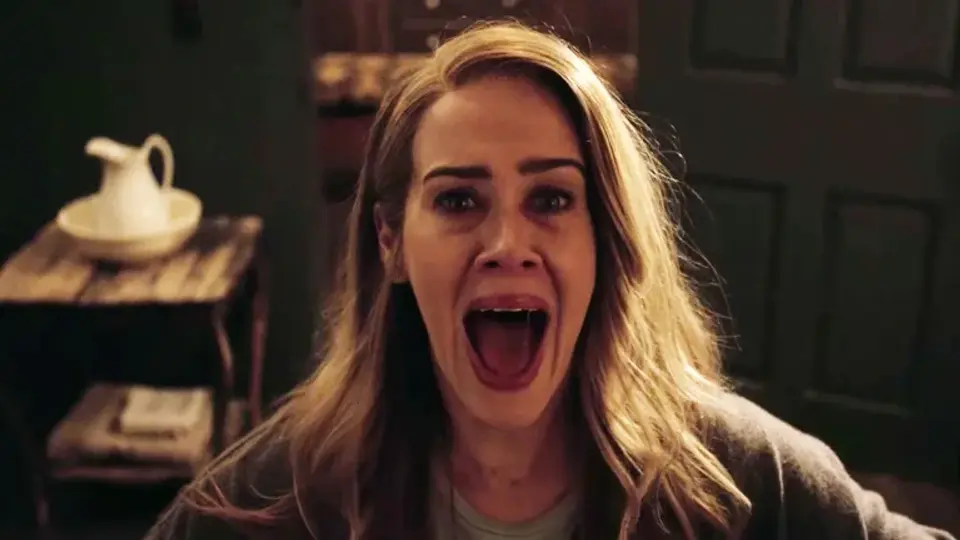
The Final Verdict on American Horror Story
American Horror Story is inconsistent.
There is no responsible way to write an Ultimate Guide this large and pretend otherwise. Some seasons are tightly constructed nightmares. Others begin with fantastic ideas before accumulating so many subplots that the story seems to forget which nightmare it originally invited us into. However, that inconsistency is inseparable from the thing I admire most about the series.
AHS keeps trying. It reinvents its world, genre, visual identity and characters again and again. Sometimes that produces Asylum. Sometimes it produces something I watch while repeatedly asking my television what the hell is happening.
I would still rather watch a horror franchise take outrageous swings than watch one gradually become safe.
Final Verdict: American Horror Story remains one of television’s great horror experiments because its defining characteristic is not any character, monster or location. Its defining characteristic is the promise that after every nightmare ends, the show can invent an entirely new one.
There Is Always Another Horror Story
When I think about why American Horror Story has lasted this long, I keep returning to that first house. The Harmons moved into Murder House because they wanted to begin again. That is essentially what AHS has been doing ever since. Every season moves somewhere new, gives familiar actors new lives and chooses another American fear.
Sometimes the fear is supernatural. Sometimes it comes from institutions, politics, disease, fame, family, addiction or the simple human capacity to hurt one another.
The monsters change because the definition of an American horror story keeps changing. That's what makes this franchise bigger than any individual season.
Murder House could have been the entire story, but instead, it became the front door.
Behind it were Briarcliff, Miss Robichaux’s Academy, Elsa’s freak show, the Hotel Cortez, Roanoke, Camp Redwood and all the other nightmares that followed.
Now a thirteenth installment is waiting for us.
Before we get there, though, we have twelve completed nightmares to go back through one at a time.
That means our next stop is where everything started.
We are going back to 2011. We are going back to the Harmons. We're going back to Constance, Tate, Violet, Vivien, Ben, Moira, the Rubber Man and the house that apparently had the least effective disclosure agreement in California history.
The next chapter is The Ultimate Guide to American Horror Story: Murder House.
The house always wins.

On Air Talent / Creator / Author / Producer
Kyle McMahon is an American television personality, radio host, journalist, actor, singer and songwriter. He is known for appearing in Oprah's Lifeclass, the Oscar winning film Selma, hosting Pop Culture Weekly with Kyle McMahon on iHeart Radio and touring with LFO and O-Town.

All the Movies, Shows & Specials Coming to 4K UHD & Blu-ray in October 2026
 Apple Podcasts
  YouTube
  Spotify
  iHeartRadio
  Audible
  Amazon Music
  JioSaavn
  Spreaker
  RSS Feed