Madonna's Confessions On A Dance Floor - The Ultimate Guide
There are certain moments in Madonna’s career where you can practically hear the collective pop culture universe saying, “Oh. She’s doing it again.”
Like a Prayer. Ray of Light. Music.
And then there was Confessions on a Dance Floor.
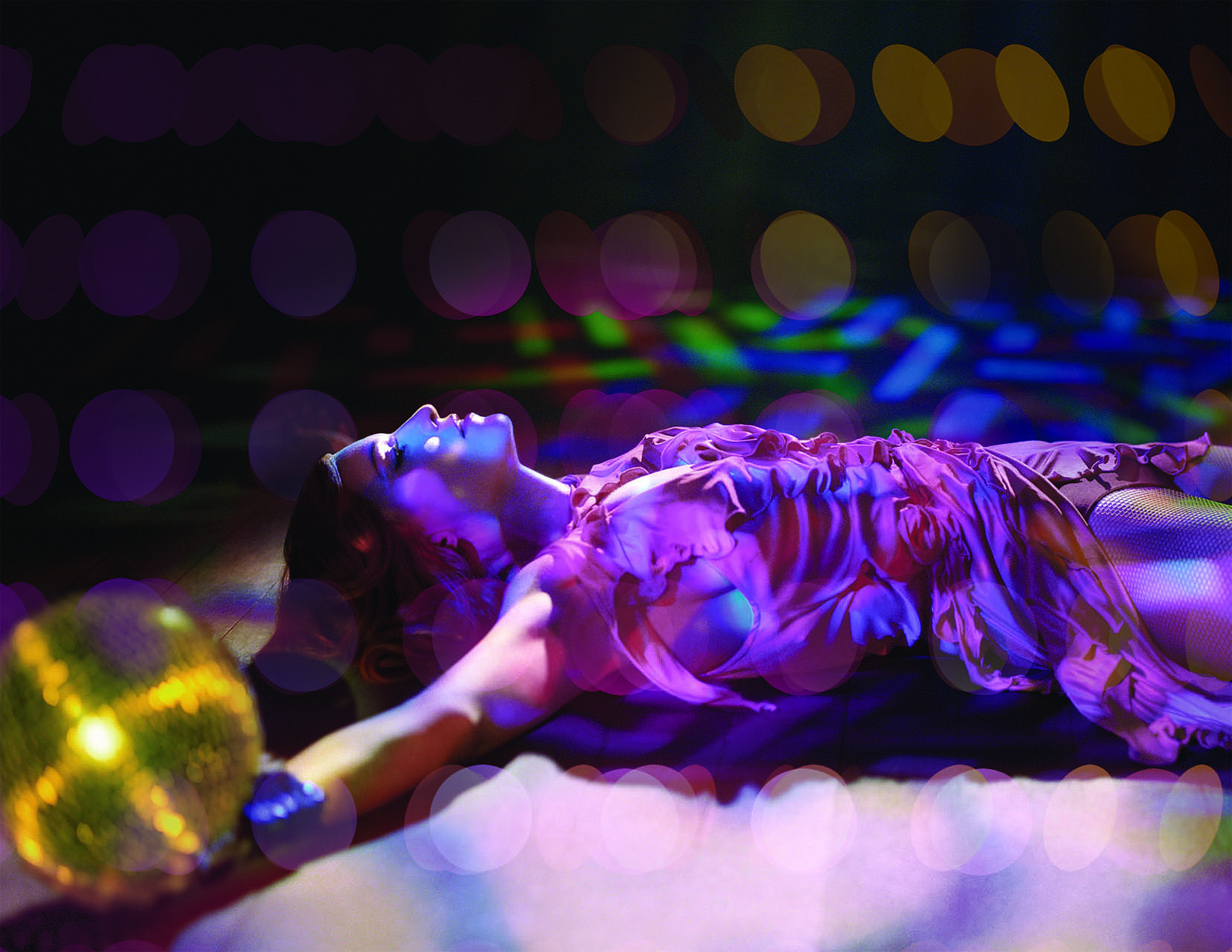
Released November 9 2005, Confessions on a Dance Floor wasn’t just another Madonna album. Because Madonna never just releases albums. It was a course correction, a reinvention and a reminder that nobody understood the mechanics of pop music quite like Madonna. At a time when many artists from her generation were settling comfortably into legacy-act territory, Madonna decided to do the exact opposite. She marched back into the center of the dance floor, wrapped herself in pink neon, climbed onto a disco ball and reminded everyone why she became the biggest female pop star in history in the first place.
The result was one of the most successful albums of her career - which is saying something when you have Madonna's career.
Driven by the global phenomenon that was Hung Up, fueled by Stuart Price’s seamless co-production, and packed with some of the strongest dance-pop songs of Madonna’s catalog, Confessions became both a commercial juggernaut and a critical triumph. It topped charts around the world, sold millions of copies, inspired one of the highest-grossing tours ever by a female artist and helped usher dance music back into mainstream pop years before EDM would dominate the charts.
More importantly, it accomplished something Madonna had spent decades mastering: it made reinvention look effortless.
To understand why Confessions on a Dance Floor became such a phenomenon, you have to look at where Madonna was in 2005, why she felt the need to change direction and how a chance creative partnership with producer Stuart Price ended up creating one of the defining pop albums of the 2000s.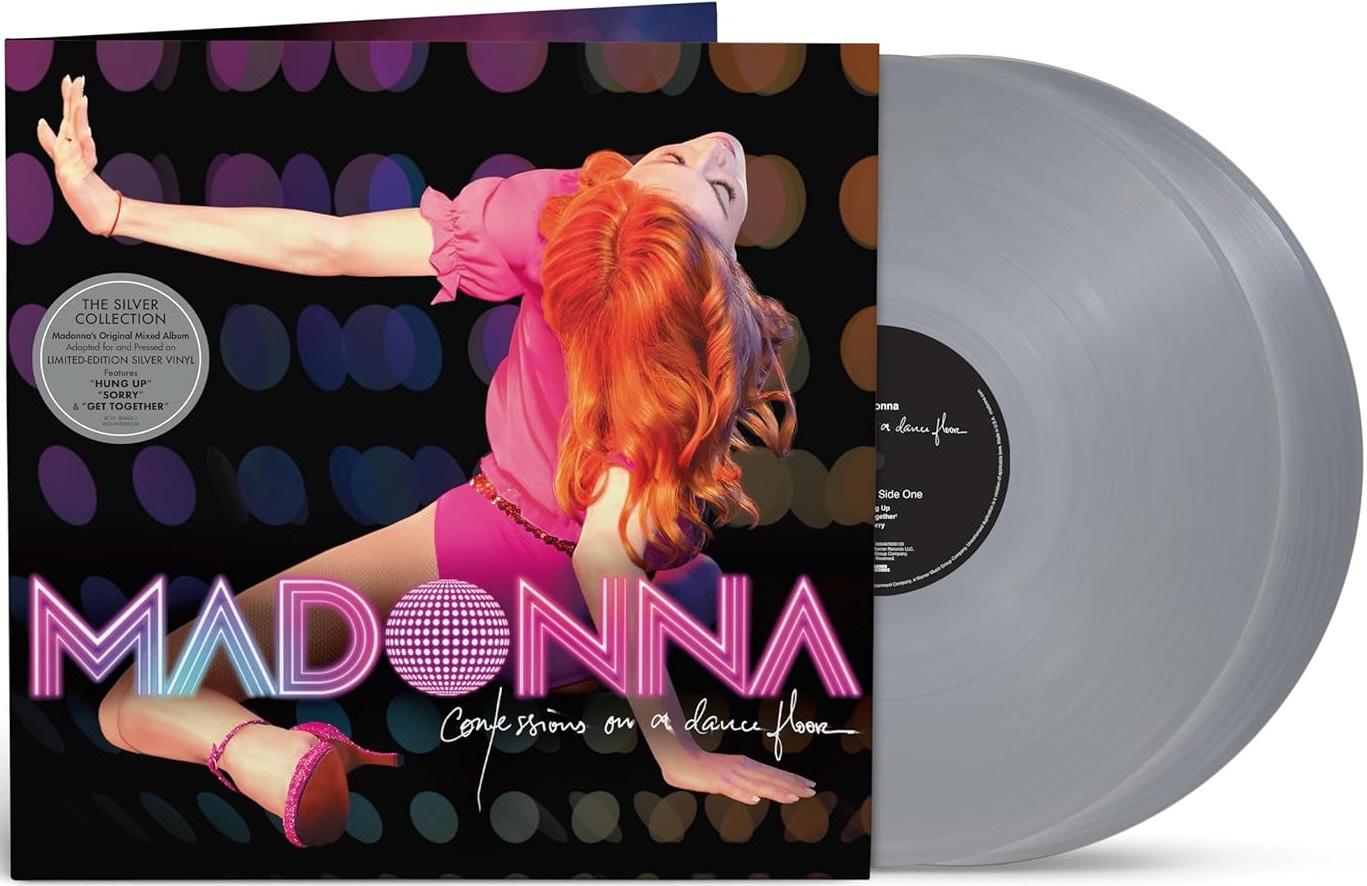 Get Madonna, Confessions on a Dance Floor (Silver Vinyl Edition) here!
Madonna Before Confessions: The Reinventions Continue
One of the most misunderstood things about Madonna’s career is the idea that she constantly changed simply because she was chasing trends.
The reality is the exact opposite.
Madonna has rarely followed pop culture. More often, she studies where culture is heading, arrives there ahead of everyone else and then sometimes gets credit for creating the trend once everyone catches up.
By the early 2000s, however, she found herself in a very unusual position.
For the first time in decades, Madonna wasn’t the unquestioned center of the universe.
That wasn’t because she had disappeared. Quite the contrary. Her previous studio albums had been successful both commercially and critically. Ray of Light had reinvented her as a spiritually minded electronic artist and earned some of the strongest reviews of her career. Music followed in 2000, blending country influences with futuristic dance production and proving that Madonna could still dominate radio and MTV after nearly two decades in the industry.
But then came American Life.
Released in 2003, American Life remains one of the most fascinating and misunderstood albums in Madonna’s catalog (and one of my favorites). Created during a period of global political tension following the September 11 attacks and the beginning of the Iraq War, the album saw Madonna looking inward rather than outward. Instead of delivering obvious radio hits, she explored fame, consumerism, identity, privilege and personal dissatisfaction.
Critics were divided. Fans were divided. The public was often confused. I absolutely loved it.
While the album debuted at number one in several countries, it lacked the massive cultural impact that had accompanied many of her previous releases. The title track became controversial after Madonna scrapped its politically charged music video shortly before release, and several singles struggled to gain traction in the United States.
In hindsight, American Life was ahead of its time. Today, many fans consider it one of Madonna’s most personal and artistically daring works. In 2003, however, it was widely viewed as - by Madonna's standard - a commercial disappointment.
Madonna understood something important: people weren’t necessarily rejecting her. They were rejecting the mood. The world was exhausted, scared and unsure of what was happening in it.
Audiences were living through wars, political division, economic uncertainty and an increasingly chaotic media landscape. While American Life reflected those anxieties, it definitely didn’t provide an escape from them.
Madonna had spent her entire career reading the cultural temperature and now, she too was going through the same things. But Madonna talked about it while people may have been yearning for joy, release and to dance. American Life really featured none of those things.
Ironically, Madonna had already begun moving in that direction before American Life had even finished its promotional cycle. During her 2004 Re-Invention World Tour, one figure had become increasingly important behind the scenes: Stuart Price.

At the time, Price was serving as the tour’s musical director. Though already respected within electronic music circles for his work as Jacques Lu Cont, Les Rythmes Digitales and Thin White Duke, he wasn’t yet a household name. What he possessed, however, was an encyclopedic understanding of dance music history and an uncanny ability to make classic influences feel modern.
Madonna noticed immediately.
The two developed a creative chemistry that extended far beyond the tour itself. Price understood the DNA of Madonna’s greatest dance records. More importantly, he understood why they worked. He wasn’t at all interested in recreating the past, he wanted to channel the feeling of it. And it's that distinction that would prove crucial.
Because while many artists spend their careers trying to recapture former glory, Madonna had no interest in making copycats to her 1980s and 90s hits. She wasn’t looking to remake Into the Groove or Vogue. She was looking for the 2005 version of that feeling.
The result would become Confessions on a Dance Floor: an album that embraced disco, electronic music, club culture and pure pop euphoria without ever feeling trapped by nostalgia.
It was exactly the album Madonna needed. It was exactly the album that pop music needed and it all started with a producing partner who understood that sometimes the fastest way forward is through the dance floor.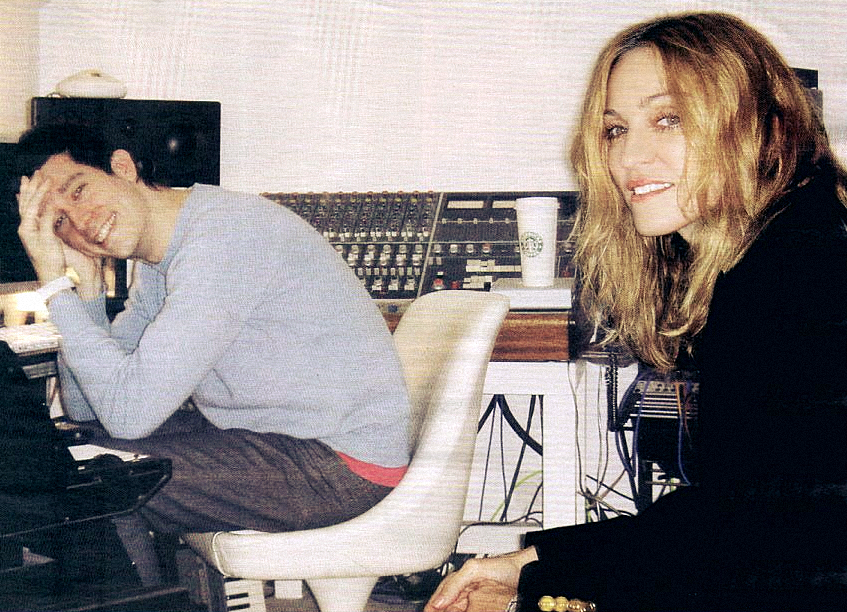
Working with Stuart Price: The Secret Weapon Behind Confessions
Every great Madonna reinvention has a creative partner somewhere in the story. Patrick Leonard had helped Madonna to define the sound of Like a Prayer. William Orbit became instrumental in shaping the masterpiece, Ray of Light. Mirwais helped create the futuristic worlds of Music and American Life. And for Confessions on a Dance Floor, that partner was Stuart Price.
If Madonna was the visionary behind the album, Price was the architect who figured out how to turn that vision into reality.
By 2005, Price was hardly a newcomer, but not really known to the general public. Under various aliases, including Jacques Lu Cont, Thin White Duke, and Les Rythmes Digitales, he had built a reputation as one of electronic music’s most innovative producers and remixers. He had become a respected figure in club culture long before most mainstream audiences knew his name.
What made Price different, however, was his ability to understand pop music.
A lot of producers know how to make great dance tracks, or how to make great pop songs, but there's very few can do both. Price can.
He understood that the best dance music isn’t just about beats. It’s about emotion. The euphoria of a packed dance floor only works if there’s something emotionally connecting the listener to the music underneath all those synths and basslines.
That philosophy aligned perfectly with Madonna’s approach to pop.
Throughout her career, Madonna’s biggest hits had always balanced accessibility with emotional honesty. Whether she was singing about love, heartbreak, spirituality, sex, empowerment or loneliness, the feelings were real even when the production was larger than life.
Price recognized that immediately.
The creative process became remarkably collaborative. Rather than Madonna simply showing up to sing songs written by someone else, which just isn't the Madonna way, the album evolved through ongoing conversations, experimentation and shared influences. Both artists brought ideas to the table. Both challenged each other. And perhaps most importantly, both trusted each other’s instincts.
That trust allowed them to take risks.
One of the most obvious examples can be heard throughout the album’s production itself. Rather than chasing the dominant sounds of radio at the time, Madonna and Price leaned heavily into European electronic music influences. There was disco, house, synth-pop, electroclash and underground club music scattered throughout the record. In theory, that approach shouldn’t have worked as well as it did commercially. In practice, it made the album sound unlike anything else on mainstream radio.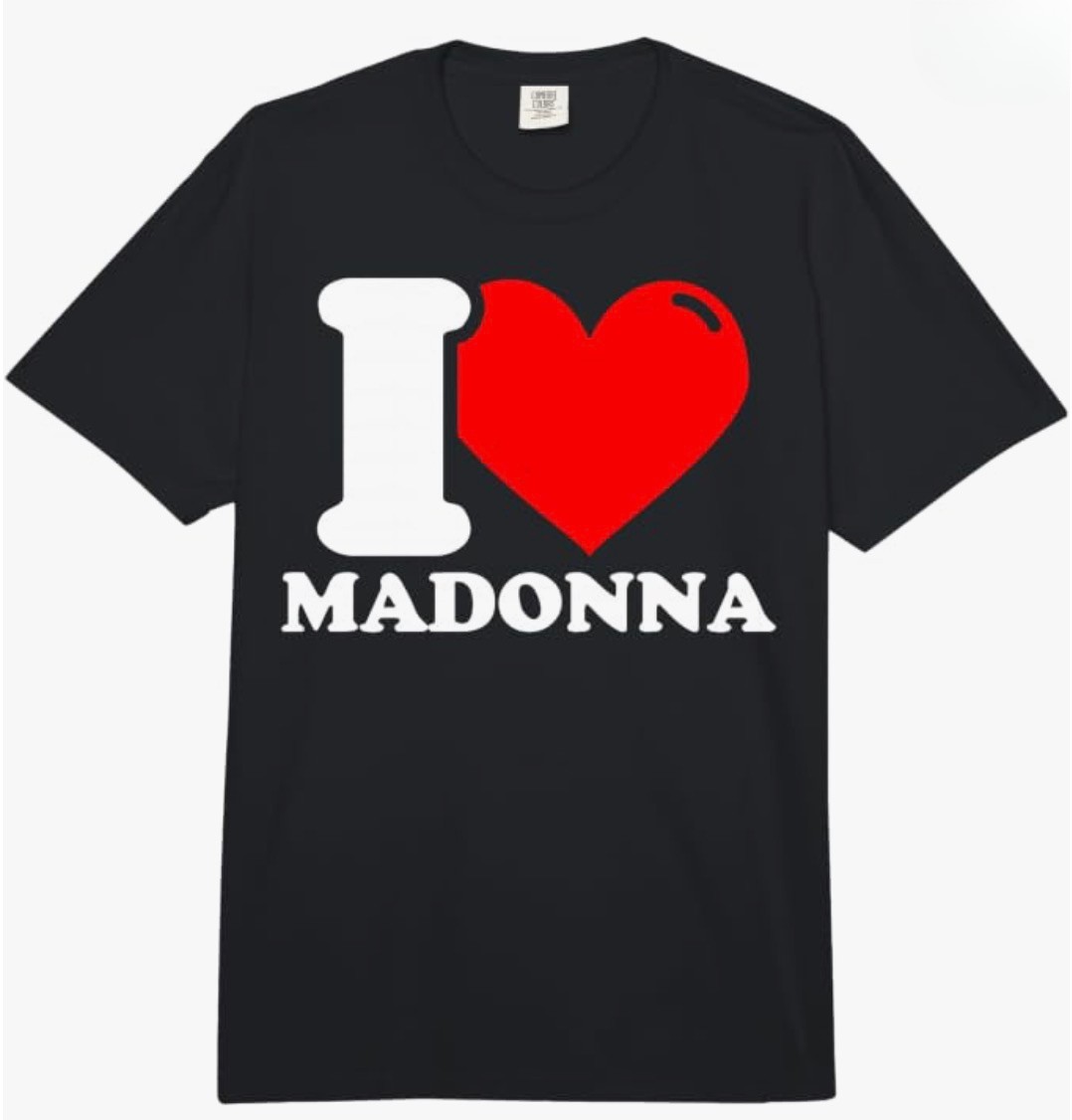 Get the I Love Madonna T Shirt on Amazon here!
While many pop records of the era now sound firmly rooted in the mid-2000s, Confessions remains surprisingly timeless. A large part of that longevity comes from Price and Madonna's production choices. Instead of relying on trendy sounds that would quickly age, they built the album around strong melodies, classic dance music structures and arrangements that felt simultaneously retro and futuristic.
The partnership also allowed Madonna to embrace something she had occasionally stepped away from during her most recent projects: fun.
Not shallow fun. Not disposable fun. But fun with purpose.
The kind of joy that emerges after heartbreak. The kind of confidence that follows insecurity. The kind of release people seek when life becomes overwhelming. Those emotions run throughout Confessions, and Price’s production gives them room to breathe.
Even on songs dealing with loneliness, uncertainty, or personal reflection, there’s an undeniable sense of movement. The music keeps pushing forward, almost as if the dance floor itself refuses to let you stay stuck for too long.
It’s one of the reasons the album continues to resonate decades later.
People don’t just listen to Confessions on a Dance Floor.
They experience it.
By the time recording sessions were nearing completion, Madonna and Price had created something that felt special. They had built an album that celebrated dance music’s past while sounding firmly planted in the future.
What they didn’t yet know was that one particular track - built around (now) one of the most recognizable samples in pop history - was about to become the biggest hit Madonna had enjoyed in years and one of the defining singles of the entire decade.
Confessions on a Dance Floor Track-by-Track Guide
One of the reasons Confessions on a Dance Floor has aged so well is that it isn’t an album built around a single hit.
Plenty of successful pop albums feature one massive song surrounded by filler. Confessions is the opposite. Even twenty years later, fans still debate which track is the best because the quality level remains remarkably high from beginning to end.
Part of that comes from the album’s seamless structure. Songs don’t feel isolated from one another. Instead, they work together to create an emotional and musical arc that mirrors the progression of a night out: anticipation, excitement, confidence, vulnerability, reflection and ultimately acceptance.
Let’s take a trip across the dance floor.
Hung Up
The album opens with its biggest hit and immediately announces its mission statement.
Built around the iconic ABBA sample, Hung Up combines disco nostalgia with contemporary electronic production to create one of Madonna’s most irresistible singles. Beneath the euphoric production lies a song about impatience, longing, and emotional frustration, proving once again that Madonna understands the power of dancing through heartbreak.
Starting the album with its strongest commercial weapon could have been risky, but in this case it works perfectly. Hung Up doesn’t feel like the destination.
It feels like the invitation.
Get Together
One of the most beloved deep cuts in Madonna’s catalog, Get Together glides forward on shimmering electronic production and understated emotion.
Where Hung Up bursts through the door, Get Together settles into the groove. The track explores connection, unity, and the possibility of finding meaning through shared experiences. Its hypnotic production gives it an almost spiritual quality, continuing themes Madonna had explored during Ray of Light while translating them into a dance-floor setting.
For many fans, this remains one of the album’s true masterpieces.
Sorry
If Hung Up was the global phenomenon, Sorry proved it wasn’t a fluke.
Driven by a relentless electronic pulse, the song transforms a breakup into a declaration of independence. Madonna dismisses an apologetic former lover in multiple languages while sounding completely uninterested in hearing another excuse.
The track’s confidence is infectious.
It’s the musical equivalent of finally blocking someone’s number and sleeping better because of it.
Future Lovers
Future Lovers marks one of the album’s darker turns.
Built around a hypnotic bassline and seductive atmosphere, the track explores desire, fantasy, and emotional possibility. The song’s sleek production would later become even more famous when elements were incorporated into The Confessions Tour performance of Like a Virgin.
It’s sexy, mysterious, and effortlessly cool. In other words, it's classic Madonna.
I Love New York
Every Madonna album contains at least one song that makes you think, “Only Madonna would do this.” On I'm Breathless it may be I'm Going Bananas. On MDNA it may be Birthday Song.
On Confessions, that song is I Love New York.
Part tribute, part attitude-filled declaration, the track captures Madonna’s long-running relationship with the city that helped launch her career. The lyrics are playful, confrontational, and occasionally hilarious, while the production maintains the album’s electronic momentum.
It’s weird. It’s fun. And it somehow works.
Let It Will Be
One of the album’s most fascinating tracks, Let It Will Be balances emotional tension with dance-floor propulsion.
Madonna has described it as a song dealing with fame, perception, and the struggle between public identity and private reality. The lyrics are among the album’s most introspective, while Stuart Price’s production keeps everything moving forward at full speed.
The result feels simultaneously vulnerable and triumphant.
Forbidden Love
Not to be confused with the song of the same name from Bedtime Stories, this Forbidden Love explores emotional barriers, relationships, and the invisible walls people build around themselves.
The production is lush and atmospheric, creating one of the album’s most romantic moments without sacrificing its dance-oriented identity.
It’s a reminder that Confessions isn’t just about movement. It’s also about emotion.
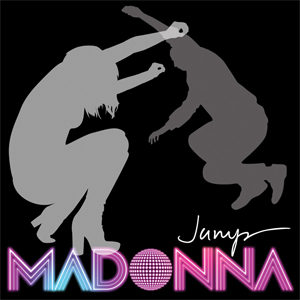
Jump
Jump arrived as one of the album’s later singles and perfectly captured the record’s empowering spirit.
At its core, the song is about taking risks, embracing change, and refusing to stay trapped in situations that no longer serve you. Given Madonna’s career-long commitment to reinvention, the message feels particularly authentic.
Years later, Jump remains one of the most underrated entries in her catalog.
How High
How High finds Madonna reflecting on success, ambition, and the strange realities that come with achieving your dreams.
The lyrics occasionally feel autobiographical, while the production maintains the album’s shimmering electronic aesthetic. Like many of Confessions’ lesser-known tracks, it rewards repeated listens.
Isaac
Perhaps the album’s most unexpected moment, Isaac incorporates Middle Eastern influences and features vocals from Yitzhak Sinwani.
The song creates a meditative pause amid the album’s relentless energy, demonstrating that Confessions was never interested in being a one-dimensional dance record. Spirituality, introspection, and cultural exploration remain central elements of Madonna’s artistic identity.
Even in the middle of a nightclub, Madonna finds room for transcendence.
Push
Push is one of the album’s hidden gems.
Built around themes of motivation and perseverance, the track combines uplifting lyrics with energetic production to create an anthem about reaching your potential. It feels like a pep talk delivered over a flawless dance beat.
Frankly, it’s impossible to hear without wanting to accomplish something.
Like It or Not
The album closes with one of Madonna’s most direct statements of self-acceptance.
After a journey through love, heartbreak, confidence, insecurity, desire, spirituality, and empowerment, Like It or Not arrives at a simple conclusion: this is who I am.
Take it or leave it. As final tracks go, it’s perfect.
Not because it delivers a dramatic ending, but because it quietly reinforces the central message of both the album and Madonna’s career. Reinvention isn’t about becoming someone else. It’s about becoming more fully yourself. And with that final declaration, the dance floor lights come up.
The night’s over.
But the impact of Confessions on a Dance Floor was only beginning.
Release and Commercial Performance
By the fall of 2005, anticipation for Confessions on a Dance Floor had reached a level Madonna hadn’t experienced in years.
Hung Up was already dominating radio stations, dance clubs, and music television channels around the world. The single’s success created something that every record label dreams about but rarely achieves: genuine excitement for an album.
Not just a single. A freakin album. And that distinction really mattered.
The music industry was in the middle of a dramatic transformation. Digital downloads were rapidly changing consumer habits, CD sales were beginning their long decline, and many artists found it increasingly difficult to convince listeners to purchase full albums rather than individual tracks.
Confessions on a Dance Floor bucked that trend.
Released on November 9 2005, the album debuted at number one in dozens of countries and quickly established itself as one of the biggest international releases of Madonna’s career. While Madonna had never struggled to attract global audiences, the scale of Confessions’ success was remarkable even by her standards.
The album topped charts throughout Europe, including the United Kingdom, Germany, Italy, Spain, France, and numerous other territories. It also reached number one in countries across Asia, Australia and South America.
In the United States, Confessions debuted at number one on the Billboard 200, becoming Madonna’s sixth chart-topping studio album in America at the time. The achievement reinforced something the industry had been reminded of repeatedly over the previous two decades: writing Madonna off was usually a mistake.
The album’s sales remained strong throughout the holiday season, fueled by continued radio support and a string of successful singles. While the music business was changing rapidly, Madonna had managed to create an album that appealed to longtime fans, casual listeners, dance music enthusiasts, and younger audiences simultaneously.
That’s harder than it sounds.
Many "legacy artists" can attract their existing fanbase. Many contemporary artists can attract younger listeners. But there is very, very few manage to do both at the same time.
Confessions accomplished exactly that.
Commercially, the album would eventually sell more than ten million copies worldwide, making it one of the best-selling albums of the 21st century and one of Madonna’s most successful releases overall. In an era increasingly defined by piracy, digital disruption and declining album sales, those numbers were particularly impressive.
And the success wasn’t limited to album sales.
The singles performed extraordinarily well across the globe. Hung Up became one of the biggest international hits of Madonna’s career. Sorry followed with impressive chart success of its own, while Get Together and Jump helped maintain momentum throughout the album cycle.
For nearly two years, Confessions remained a constant presence in popular culture.
The album also strengthened Madonna’s relationship with dance music audiences. While she had always maintained credibility within club culture, Confessions reminded an entirely new generation of listeners why she had become one of dance-pop’s most influential figures in the first place.
Perhaps most impressively, the album succeeded without feeling desperate or calculated.
There was no attempt to chase the latest trend. There was no obvious effort to mimic younger artists. There was no sense that Madonna was trying to prove she belonged.
She simply made a great record.
And people responded.
Of course, commercial success is only part of the story.
What truly elevated Confessions on a Dance Floor from a hit album to a career-defining one was the critical reaction. Critics who had been divided on American Life suddenly found themselves praising Madonna’s latest reinvention, while fans embraced the record immediately.
For one of the few times in Madonna’s career, critics, audiences, and the music industry all seemed to agree on something.
She had done it again.
Critical Reception
Madonna has spent much of her career inspiring strong opinions. Some albums were celebrated immediately. Others were misunderstood before eventually finding appreciation years later. Confessions on a Dance Floor was one of the rare occasions where nearly everyone seemed to be on the same page from the beginning.
And it achieved the trifecta! Critics loved it. Fans loved it. The industry loved it.
After the divisive response to American Life, many reviewers viewed Confessions as a return to what Madonna did best: creating intelligent, sophisticated pop music that was both commercially accessible and artistically ambitious.
What impressed critics most wasn’t simply that the album was fun. It was that the album was smart.
Dance music has often been unfairly dismissed as lightweight or disposable by certain corners of the music press. Confessions challenged that perception. The album demonstrated that dance-pop could be emotionally resonant, meticulously crafted, and creatively ambitious while still delivering undeniable hooks.
Reviewers consistently praised Stuart Price’s co-production, highlighting the seamless transitions between tracks and the album’s remarkable sense of cohesion. Many noted that while individual songs were strong on their own, the album became even more effective when experienced as a complete work.
That observation would become one of the defining themes of discussions surrounding Confessions.
This wasn’t merely a collection of singles. It was an album album. The kind of project designed to be experienced from beginning to end.
Critics also praised Madonna’s performance throughout the record. At an age when many female artists had long faced unfair questions about relevance and longevity, Madonna responded with an album that sounded vibrant, contemporary and completely self-assured.
Rather than attempting to compete with younger performers on their terms, she once again changed the conversation entirely.
The reviews - for once - actually reflected that confidence.
Publications across the globe placed Confessions among the strongest releases of 2005, with many critics calling it Madonna’s best work since Ray of Light. Others argued that it represented one of the finest dance-pop albums ever recorded.
Even critics who weren’t typically enthusiastic about Madonna found it difficult to deny the album’s effectiveness.
Because at the end of the day, Confessions achieved something deceptively difficult. It made joy sound sophisticated. It made escapism feel meaningful. And it reminded audiences that pop music doesn’t have to choose between intelligence and fun.
The awards soon followed.
In 2007, Confessions on a Dance Floor won the Grammy Award for Best Electronic/Dance Album, giving Madonna another major accolade to add to an already legendary career. The recognition helped cement the album’s status not merely as a commercial success, but as an important artistic achievement as well.
Today, many critics rank Confessions alongside Ray of Light, Like a Prayer, and Madonna among the essential albums in her catalog.
Not bad for an album that started with a simple idea: Make people dance. Make them feel better. And maybe, for an hour or so, make them forget about everything else.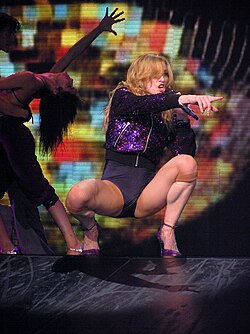
The Singles: Four Chapters of the Confessions Story
One of the clearest indicators of an album’s strength is the quality of its singles.
Some records struggle to find a second hit after a blockbuster lead single.
Others barely have one obvious radio track.
Confessions on a Dance Floor somehow managed to produce four singles that each represented a different side of the album while still feeling connected to the larger vision.
Together, they tell the story of the Confessions era almost as effectively as the album itself.
Hung Up
Released October 17, 2005
If Confessions on a Dance Floor was the event, Hung Up was the invitation.
Everything about the single felt enormous. The ABBA sample. The instantly catchy hook. The vibrant music video. The relentless dance-floor energy. But what truly made Hung Up special was its emotional contradiction.
This was a song about frustration. A song about waiting. A song about someone who isn’t showing up. Yet it somehow became one of the happiest-sounding records ever made.
That tension between heartbreak and euphoria sits at the center of countless great dance songs, and Hung Up executes it perfectly.
The single became a global phenomenon, reaching number one in more than forty countries and delivering one of the biggest international hits of Madonna’s career. For many younger listeners, it was their introduction to Madonna. For longtime fans, it felt like a reminder of exactly why she’d dominated pop culture for so long.
Nearly twenty years later, it remains one of her signature songs.
And if it comes on at a wedding, everyone still dances.
Sorry
Released February 6, 2006
Following Hung Up was never going to be easy, but fortunately, Sorry wasn’t interested in trying to top it. Instead, it carved out its own identity.
Built around a sleek electronic groove and one of the album’s most memorable choruses, Sorry finds Madonna delivering a message that couldn’t be clearer:
"Your apology has been received and rejected. Thank you for your submission. Please do not contact us again."
The song’s multilingual apologies became one of its defining features, while Stuart Price’s co-production kept the momentum moving at full speed. Where Hung Up felt celebratory, Sorry felt empowered.
It’s the soundtrack to realizing you’re better off without someone.
And unlike many breakup songs, it never sounds angry, just...done.
The single became another major international success and further established Confessions as more than a one-hit era.
Get Together
Released May 30, 2006
If fans were asked to name the most underrated song on Confessions, Get Together would likely win by a landslide. Though not as commercially explosive as Hung Up or Sorry, the track has steadily grown into one of the most beloved songs in Madonna’s catalog.
Part of that comes from its atmosphere.
The song feels less like a traditional pop single and more like a moment. The production shimmers. The lyrics embrace themes of connection and unity. The entire track radiates warmth. It’s impossible to listen without feeling slightly better afterward.
Get Together also highlights one of the album’s greatest strengths: its ability to create emotional depth without sacrificing momentum. The song remains danceable from start to finish, yet there’s something almost spiritual happening beneath the surface.
For many fans, it’s the heart of the album.
Jump
Released September 11, 2006
Released as the fourth and final single from the album in most international markets, Jump brought the Confessions era to a fitting conclusion.
Its message couldn’t have been more Madonna : Take the risk. Make the change. Trust yourself. Leap.
Throughout her career, Madonna has repeatedly embraced reinvention when safer options were available. Jump captures that philosophy better than almost any song she has recorded.
The track’s uplifting energy and empowering lyrics made it a natural choice as a single, while its themes of self-determination resonated strongly with audiences around the world.
Listening to Jump today, it’s difficult not to view it as a summary of Madonna’s entire career. The willingness to evolve. The courage to move forward. The refusal to remain trapped by expectations.
In many ways, Jump serves as the final mission statement of Confessions on a Dance Floor.
The album begins with anticipation and it ends with action.
And after four hugely successful singles, Madonna had proven that the dance floor wasn’t merely a nostalgic destination. It was still one of the most powerful places in popular music.
The next step was taking that energy on the road. What followed would become one of the most successful tours of Madonna’s career and one of the most celebrated live productions of the 2000s.
It was time for The Confessions Tour.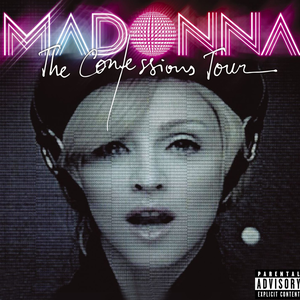
The Confessions Tour: Turning the Dance Floor Into a Global Spectacle
If Confessions on a Dance Floor proved Madonna still knew how to dominate popular music, The Confessions Tour proved she still knew how to dominate a stage.
Not that anyone should have been surprised.
By 2006, Madonna had spent more than two decades redefining what a concert tour could be. Long before elaborate pop spectacles became the norm, she had already transformed touring into a form of theatrical storytelling. Every major Madonna tour wasn’t simply a concert.
It was an event.
The Confessions Tour may have been one of her best.
Launching in May 2006, the tour visited North America, Europe, and Asia, bringing the music of Confessions on a Dance Floor to audiences around the world. While the album itself celebrated dance culture, the live show expanded that concept into a massive visual production that blended music, fashion, performance art, religion, politics, and pure entertainment.
Basically, Madonna doing Madonna things.
The show’s structure was divided into multiple thematic acts, each with its own visual identity and atmosphere. One moment audiences were immersed in disco-inspired glamour. The next they were witnessing futuristic club aesthetics, equestrian imagery, religious symbolism, or high-energy dance sequences that looked as though half the world’s supply of cardio equipment had been deployed onstage.
And through all of it, Madonna never seemed to run out of energy.
Which remains mildly annoying for the rest of us.
One of the tour’s most iconic moments came during Future Lovers and Like a Virgin, where Madonna performed atop a rotating saddle-like apparatus while delivering a dramatically reimagined version of one of her earliest hits. It was strange, provocative, artistic, and completely unforgettable.
In other words, exactly what audiences expected from a Madonna concert.
The tour also featured standout performances of Hung Up, Sorry, Jump, Get Together, and several classics from earlier eras. Rather than separating old material from new material, Madonna integrated them into a larger narrative, creating a show that felt cohesive rather than nostalgic.
That approach has always been one of her greatest strengths as a live performer.
Many artists use tours to revisit past successes. Madonna uses them to reinterpret them.
Of course, no Madonna tour would be complete without controversy.
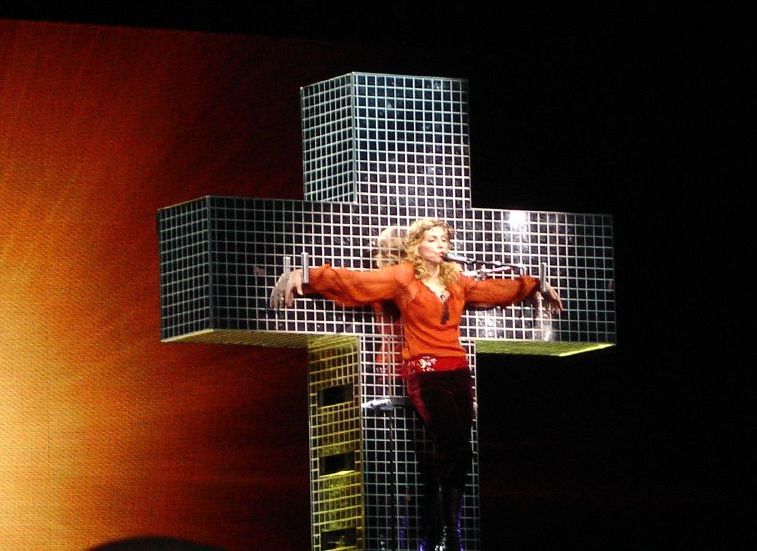
During Live to Tell, Madonna appeared suspended on a giant mirrored cross while images of children affected by poverty and AIDS were projected throughout the arena. The performance generated headlines around the world and sparked criticism from some religious organizations.
It also generated conversations about global inequality, which was largely the point.
Whether audiences agreed with her artistic choices or not, Madonna once again demonstrated her ability to use a pop concert as a platform for larger cultural discussions.
Commercially, the tour was a phenomenon. The Confessions Tour became the highest-grossing tour ever by a female artist at the time, earning more than $190 million worldwide. The achievement further cemented Madonna’s reputation as one of the most successful touring artists in music history and proved that demand for her live performances remained as strong as ever.
Critics were equally enthusiastic. Reviewers praised the production, choreography, visuals, staging, and Madonna’s seemingly endless stamina. Many considered it one of the strongest tours of her entire career, no small accomplishment considering the competition included tours like Blonde Ambition, The Girlie Show, Drowned World, and Re-Invention.
For fans, however, the tour represented something even bigger. It was a celebration. A celebration of dance music. A celebration of reinvention. A celebration of an artist who, more than twenty years after arriving in New York with little more than ambition and determination, was still finding new ways to surprise people.
And while the tour marked the commercial peak of the Confessions era, its impact was only beginning to reveal itself.
Because over time, Confessions on a Dance Floor would become more than just a successful album.
It would become one of the most influential pop records of the twenty-first century.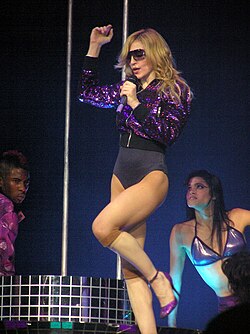
How Confessions on a Dance Floor Helped Shape Modern Pop Music
Looking back from today, it’s easy to forget how unusual Confessions on a Dance Floor sounded in late 2005.
Today, dance-pop is everywhere. Electronic production dominates radio and DJs headline major festivals. Pop stars regularly collaborate with dance producers. Songs built around synths, club beats and four-on-the-floor rhythms are so common that they barely register as “dance music” anymore.
But in 2005, mainstream pop was in a very, very different place.
The charts were largely dominated by hip-hop, R&B, pop-rock and singer-songwriters. Electronic music certainly existed, and dance music was thriving in clubs around the world, but much of it still lived outside the center of mainstream American pop culture. Relatively few major pop stars were building entire albums around that sound.
Then Madonna released Confessions on a Dance Floor.
Rather than treating dance music as a flavor, trend or novelty, Madonna and Stuart Price placed it at the center of the project. The album wasn’t a pop record with dance influences. It was a dance record that happened to become one of the biggest pop albums in the world.
That mindset is what set it apart from everything else on the radio.
The success of Confessions helped prove that audiences were ready for electronic music to move back toward the center of popular culture. Over the next several years, dance-pop exploded commercially. Artists such as Lady Gaga, Kesha, Rihanna, Kylie Minogue and countless others would embrace increasingly electronic sounds, while producers with roots in club culture became some of the most sought-after names in the industry.
Madonna did not single-handedly create that shift, of course. No album changes the entire music business by itself, because (apparently) even Madonna has limits. But Confessions arrived at a pivotal moment and helped push those sounds into the mainstream.
It also reinforced something Madonna had understood for years: dance music could be sophisticated.
For decades, certain critics had treated dance records as disposable entertainment while reserving artistic credibility for rock, folk or more traditionally “serious” genres. Confessions challenged that assumption by delivering an album that was commercially successful, critically acclaimed and artistically ambitious all at once.
The album’s seamless transitions and continuous-mix structure also made it feel like the best DJ set ever rather than a standard pop album. Songs flowed into one another with purpose, creating a complete listening experience rather than a collection of potential singles. In that sense, Confessions showed how club culture could influence not just the sound of a pop album, but the shape of it.
Its influence extended beyond the music itself.
The visuals of the Confessions era helped revive disco-inspired aesthetics for a new generation. Neon colors, dance-focused music videos, retro-futuristic fashion and references to classic club culture suddenly felt contemporary again. Madonna wasn’t simply borrowing from the past. She was dragging the past under a disco ball, giving it better lighting and sending it back out into the world like it had a new publicist.
The album also challenged long held assumptions about age and relevance in popular music.
When Confessions was released, Madonna was in her late forties, an age when many female artists had historically been pushed toward legacy-act status by an industry that loves women artists right up until they have the audacity to keep existing. Yet Confessions wasn’t marketed as nostalgia. It wasn’t framed as a farewell statement or a victory lap. It was presented as a major contemporary pop release.
And audiences responded accordingly.
That may seem obvious now, but at the time it was actually quietly revolutionary. Madonna was competing directly with the biggest contemporary artists in the world and winning. The album proved that artistic relevance isn’t determined by age. It is determined by the quality of the work, the strength of the vision and the ability to understand where culture is headed before everyone else realizes they should probably start walking in that direction.
Perhaps most importantly, Confessions reminded listeners that pop music can be joyful without being shallow.
The album doesn’t ignore heartbreak, loneliness, insecurity or uncertainty. Those emotions are woven throughout the record. It simply chooses to confront them through movement, celebration and connection rather than despair. That is part of why the album continues to resonate.
People don’t return to Confessions just for nostalgia. They return to it because it still works. The songs still sound fresh. The production still feels modern. The emotional core remains intact.
In many ways, Confessions predicted where pop was headed.
Again.
Which is one of the most frustratingly consistent aspects of Madonna’s career. Every time people start wondering whether she has lost her touch, history eventually circles back around and reminds everyone that she was usually seeing the future a little sooner than the rest of us.
And every time those opening notes of Hung Up begin, listeners are reminded of a simple truth: sometimes the best response to life’s complications is to find a dance floor and keep moving.
The Legacy of Confessions on a Dance Floor
Some albums are successful. Some albums are influential. A very small number become defining statements. Yet, more than twenty years after its release, Confessions on a Dance Floor firmly belongs in that final category.
What makes the album’s legacy particularly fascinating is that its reputation has only grown with time. While critics and audiences embraced Confessions immediately, the years since its release have elevated it from “successful Madonna album” to something much larger.
Today, it is routinely mentioned alongside Like a Prayer, Ray of Light, and Madonna as one of the essential albums in her catalog. That’s VERY elite company.
And it’s company Confessions earned.
Part of the album’s enduring appeal comes from how remarkably well it has aged. Many pop records become trapped in the era that created them. Listen to enough albums from the mid-2000s and you’ll often hear production choices, trends and stylistic decisions that instantly reveal exactly when they were made.
Confessions largely that problem. The production still sounds vibrant. The songwriting still feels relevant. The themes remain universal. But most importantly, the album never sounds like it’s chasing a trend - because it wasn’t. It was helping create one.
As dance-pop exploded throughout the late 2000s and early 2010s, listeners increasingly recognized how far ahead of the curve Confessions had been. Elements that felt innovative in 2005 became commonplace a few years later. The seamless blend of electronic production and mainstream pop accessibility that defined the album would soon become one of the dominant sounds in popular music.
In many ways, Confessions predicted where pop was headed....again.
Which is one of the most frustratingly consistent aspects of Madonna’s career. Every time people start wondering whether she’s lost her touch, history eventually circles back around and reminds everyone that she was usually seeing the future a little sooner than the rest of us.
The album’s influence can also be measured through the artists who followed.
While few albums have a single identifiable impact on an entire generation of musicians, Confessions helped legitimize the idea that dance music could be both commercially massive and artistically respected. The barriers between club music and mainstream pop continued to erode in the years that followed, creating opportunities for countless artists to explore electronic sounds without sacrificing pop appeal.
Then there’s the fan response.
For many Madonna fans, Confessions represents the last universally embraced Madonna era. That’s not a criticism of the albums that followed. Hard Candy, MDNA, Rebel Heart, Madame X, and her later projects all have passionate supporters and unique artistic strengths.
But Confessions occupies a special place.
It feels like one of those rare moments when everything aligned: The music. The visuals. The singles. The music videos. The tour. The critical response. The commercial success.
Everything worked.
Even newer generations continue to discover the album. Streaming platforms have introduced Confessions to listeners who weren’t even born when Hung Up first dominated global charts. Instead of sounding like a relic from another era, the album often feels surprisingly contemporary.
That’s one of the clearest signs of a classic. It survives changes in culture, changes in technology, survives changes in taste and eventually it stops feeling old altogether. It simply becomes timeless
For Madonna, Confessions on a Dance Floor stands as proof of something she had spent her entire career demonstrating: reinvention works best when it’s authentic. The album wasn’t successful because Madonna was trying to recapture her past.
It was successful because she understood exactly who she was and found a new way to express it. That’s a much, much harder trick.
And it’s why Confessions remains one of the defining achievements of her extraordinary career.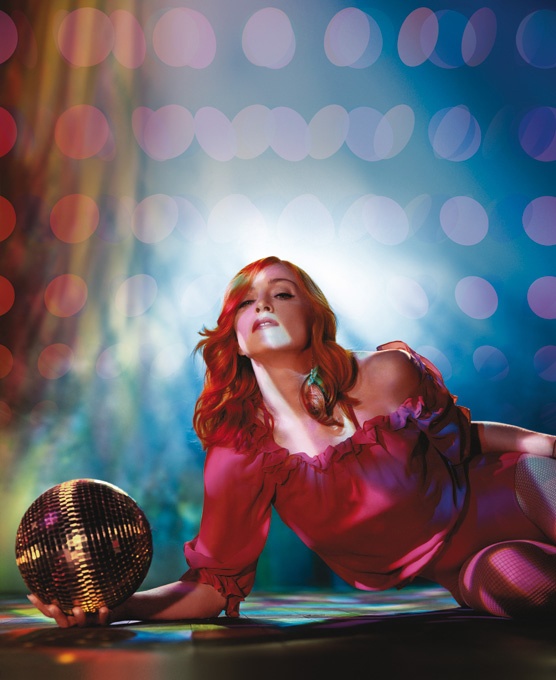
Final Thoughts on Madonna's Confessions on a Dance Floor
When Confessions on a Dance Floor arrived in 2005, it felt like a triumphant return to the dance floor.
With the benefit of hindsight, it feels like so much more than even that.
The album captured everything Madonna has always done exceptionally well. It blended innovation with accessibility. It balanced emotional depth with pure entertainment. It respected the past without becoming trapped by it. And perhaps most importantly, it reminded audiences that great pop music doesn’t have to choose between substance and joy.
It can have both.
Through her partnership with Stuart Price, Madonna created an album that felt simultaneously nostalgic and futuristic, intimate and universal, deeply personal and irresistibly communal. Whether listeners connected with the heartbreak of Hung Up, the confidence of Sorry, the warmth of Get Together, or the empowerment of Jump, there was something on Confessions for almost everyone.
That may explain why the album continues to resonate more than two decades later.
The world has changed dramatically since 2005. Music consumption has changed. Technology and popular culture have changed. Yet Confessions on a Dance Floor still feels alive.
The beats still hit, the melodies still soar and the emotions still connect.
And every time that ABBA sample kicks in, there’s a good chance someone, somewhere, is about to abandon whatever they were doing and start dancing.
Not many albums can claim that. But Confessions on a Dance Floor can.
And that’s why it remains not only one of Madonna’s greatest albums, but one of the defining pop records of the twenty-first century.
SHOP THE ARTICLE
Madonna’s glitter-drenched 2005 dance-floor masterpiece still sounds like the future wearing a disco belt.
View on Amazon
On Air Talent / Creator / Author / Producer
Kyle McMahon is an American television personality, radio host, journalist, actor, singer and songwriter. He is known for appearing in Oprah's Lifeclass, the Oscar winning film Selma, hosting Pop Culture Weekly with Kyle McMahon on iHeart Radio and touring with LFO and O-Town.

All the Movies, Shows & Specials Coming to 4K UHD & Blu-ray in October 2026
 Apple Podcasts
  YouTube
  Spotify
  iHeartRadio
  Audible
  Amazon Music
  JioSaavn
  Spreaker
  RSS Feed