Andra Day, André Holland (Exhibiting Forgiveness; Julie Bowen & Bruce Campbell (HYSTERIA!)

In this episode of Pop Culture Weekly, Julie Bowen steps out of her iconic "Modern Family" shoes and into the 1980s satanic panic with her new series "HYSTERIA!," alongside horror legend Bruce Campbell. Dive into the thrills and laughs of this...

 Apple Podcasts

 YouTube

 Spotify

 iHeartRadio

 Audible

 Amazon Music

 JioSaavn

 Spreaker

 RSS Feed
In this episode of Pop Culture Weekly, Julie Bowen steps out of her iconic "Modern Family" shoes and into the 1980s satanic panic with her new series "HYSTERIA!," alongside horror legend Bruce Campbell. Dive into the thrills and laughs of this unconventional blend of horror, comedy, and psychological tension, now available on Peacock. As Bowen embraces the challenge of exploring new acting territories, Campbell shares why this intelligent series captured his interest, with its authentic backdrop and witty script, promising a unique treat for horror enthusiasts and casual viewers alike.
Pivoting from the supernatural to the deeply personal, join Kyle McMahon for an inspiring set of conversations with the creative minds behind "Exhibiting Forgiveness." This film, featuring the talents of Andra Day, André Holland, and John Earl Jelks, marks Titus Kaphar's transition from celebrated contemporary painter to filmmaker. Titus shares his journey and the powerful autobiographical elements that influence the film’s exploration of themes like fatherhood and forgiveness.
Discover how the film resonates with the black community, shedding light on universal truths and human complexities through its compelling narrative.Forgiveness emerges as a central theme in their discussions, explored not just as a narrative element but as an ongoing and transformative process.
With Andra Day, they unravel the significance of crafting enduring art that challenges perspectives on fatherlessness and the pivotal roles women play in family dynamics. Andre Holland and John Earl Jelks delve into their personal connections to their characters, revealing emotional depths that enhance their performances. Through these stories, we emphasize the importance of empathy, understanding, and the healing power of new relationships. Join us for these enriching conversations that blend storytelling, art, and personal growth into a powerful listening experience.
Kyle McMahon's Death, Grief & Other Sh*t We Don't Discuss is now streaming: https://www.deathandgrief.show/Chapter-One-The-Diagnosis-AKA-WTF/
---------------
Get all the Pop Culture Weekly podcast info you could want including extra content, uncut interviews, photos, videos & transcripts at: https://podcast.popcultureweekly.com
Watch celebrity interviews at: https://www.facebook.com/realkylemcmahon/videos
or Kyle McMahon YouTube at: https://www.youtube.com/officialkylemcmahon
Read the latest at http://www.PopCultureWeekly.com
Follow Kyle on:
Facebook: http://www.facebook.com/realkylemcmahon
Instagram: http://www.instagram.com/kmacmusic
YouTube: https://www.youtube.com/@popcultureweekly
Website: http://www.kylemcmahon.me
0:00 In this episode of pop Culture Weekly, I talk with the horror icon Bruce Campbell and Julia Bowen all about their series Hysteria End the incredible cast of the incredible film Exhibiting Forgiveness, including Andre Day, Andre Holland, John Earl Jelks, and the creator, producer, director himself, Titus cat Far. Let's go. Welcome to pop Culture Weekly with Kyle McMahon from iHeartRadio your pop culture news, views, reviews and celebrity interviews on all the movies, TV music, and pomp culture U Crab Weekly.
0:40 Here's Kyle McMahon. No, no, no, Hello, and welcome to pop Culture Weekly with Kyle McMahon. I of course am Kyle McMahon. And this episode, you know we're in spooky season, but this episode has got some spookiness and it's also got some incredible, incredible interviews, both from the spooky part and the dramatic art part. I speak with the cast of Exhibiting Forgiveness, which you've heard me talk about. This film. It stars Andre Day and Andrea Holland and gen Earl Jelks. It is directed by, conceived by produced by the incredible Titis Kafar, and we're going to get into that. I also talk with horror icon legend scream King maybe the one and only Bruce Campbell himself. I also speak with Julie Bowen, and I speak with Julie and Bruce about their new series Hysteria, which is available exclusively on Peacock. The series also premiered on sci Fi and USA Network on October eighteenth.
2:03 But it is a wonderfully crazy, horror filled show about the satanic panic of the eighties and a quarterback disappears which causes whispers of like, you know, the occult in the town and satanic influences, and this heavy metal band called Death Crunch decide to kind of capitalize on it. It is really funny, it's really scary, it's a great show, and I mean it's got freaking Julie Bowen, Modern Family Queen Claire Dunfee herself, and it's got the one and only Bruce Campbell. So like, you can't go wrong with either of those. So let's start up first with Julie Bowen.
2:51 You may know Julie from her incredible work, Emmy winning work. She's won multi, multiple, multiple Emmys for her two hundred and fifty episodes as Claire Dunfie on Modern Family. She's awesome and I love her in Hysteria. So let's dive right into my conversation with the one and knownly Julie Bowen. Thank you so much for joining me, Julie, I really appreciate it. Thank you, Kyle. It's a pleasure. Pleasure is mine. So first of all, I love I love Hysteria. I'm a huge horror film film buff, horror buff. I'm a huge comedy buff obviously, and this, I feel kind of beautifully marries so many genres here. What was it that you that drew you to the project?
3:41 I think exactly what you just said, the fact. That it's not straight horror. You know, I don't love straight horror. I don't love like gruesome things. This felt very psychologically terrifying and fun because the aspect with the music in the eighties, and I love that sort of mash up between the pop thriller and the psychological questioning of this woman's sanity. That was the fun part for me. And did you you know it's interesting that you say that because looking at your film, you know, your filmography, your body of work, you have who be Halloween and you know, the the kind of genre projects that you've done are not really or none of them are straight up you know, horror or whatever. They all have some kind of element of something else, you know, and so that is purposeful for you.
4:38 Yeah, very much. So. I mean, I was lucky enough to play a sitcom mom for eleven years, and I love Claire Dunfi and always will. But as an actress, you do want to do something different, and you also are I'm taking a huge risk. But when I read the pilot for Hysteria, I thought, oh, she's a mom and the kids have all the fun stuff. And then when I got to the end of it and realized, oh no, there's so much fun stuff for Linda. It's just very unexpected that I thought, I think maybe maybe the audience can go along on that journey. It's hard sometimes for people to see characters from popular sitcoms take on a different role.
5:20 They're like, why are you doing that? My dad could not was very mad that Sophia made herself ugly for Griselda, and he said. Oh, tell her. So sometimes it's hard for people to see you outside of a role when you've done it for so long. But I feel like this one. It subverts itself, but I think I think the viewers will go along for the ride. So do I. And you know, of course you've won two Emmys for your role, and obviously congratulations, but but I do find it interesting and I think it's it's necessary when you have, you know, actors, creators in general, that that you need to kind of spread your wings sometimes and and it'ch another or what's it, scratch another itch, you know, or and so you've done that beautifully. And I love the mish mash of you know. I love the nostalgia the eighties thing and the marriage with the music and and the fears that were very real throughout many periods of history with this satanic panic and all of that, and it really, you know, kind of smartly melds so many numerous things to work as an excellent series.
6:39 You know, Thank you, I mean you just you said it all. Do you want to do the rest of my interviews today? Yes, it is. It is not horror. It is it is a real genre bender, and I hope that invites a lot of people into watch, even chickens like me who are terrified of a jump scare. This is not this is not. Straight horror, it is not uh straight comedy, but it really does blend a whole bunch of elements and it does give me a chance to yeah, scratch a different. Inche speaking of jump Scares, was it. Did anybody ever try to scare you on set?
7:19 On set? The ibers ever tried to scare me purposely? Or my children? And then I play their iPads when they were little, and they know now when they come into the house, they if they go, Mom, it's me, Mom, it's me as they walk to the whole house because if they scare me, I am I am done for about an hour, Alan DeGeneres loved scaring. Me, loved it. Didn't love it. I love Ellen, but didn't love that. No, they would not. I was. They knew how it was kind of hard to be as crazy as as Linda is, and it was psychologically trying.
8:00 So if somebody had scared me, I think I would have. I don't know, I'm going to punch them. Well. I love that that your you know, fellow actors and crew and everything recognized that and and you know, left you alone for this project. Yeah, when you see the last two episodes, you'll understand what I'm talking about. But I get put in some positions as an actress and as a character that were trying. None of that was cgied. And when you see, Oh God, I hope they were nice to you at the end of the day, and they were very nice. Thank you Julie so much. It's a pleasure to talk to you. I can't wait for everybody to see Hysteria so I can talk about it with people.
8:45 Great. Thank you, Kyle, I appreciate it. Thank you, have a good day. Thanks Julie Bowen. Love her. She is hysterically funny and I love her in Hysteria, which you can write. Watch you can watch right now on Pea Cock or USA or sci Fi. So all right, next up, horror Icon. Bruce Campbell has been on my bucket list of people I want to interview for since I was a kid, and he's best known for his role as Ash Williams in the Evil Dead franchise. He's also been in Maniac Cop, Bubba Hotzap, The Adventures of Briscoe County, Junior, Hercules, The Legendary Journeys, and zena Warrior Princess.
9:33 He played Sam Axe in burn Notice on USA for Like years and years, and he's done so freaking much, books, movies, games, TV series, all of it. He is a horror icon and industry icon, and I am so excited to talk to the one and only Bruce Campbell. Thank you so much for joining me, Bruce, I really appreciate it. Thanks Guyle. It happened to be in the neighborhood that i'd step in. I love it. So, First of all, congratulations on Hysteria. I really love the series. I love how it genre bends and it's so enjoyable. What drew you, the legendary Bruce Campbell to Hysteria.
10:19 If it's horror, I get real picky. I get pick here as an old guy. But with horror, I'm real picky, and it has to be it's the words, you know, as an actor, I would do a movie called Maniac Cop. Today, when I do the movie, I don't know, I don't know. But in nineteen eighty whatever, Yeah, let's do a movie called Maniac Cop. So your taste change over time. So in this case, if it's horror, you know, the agent's tends the script it's horror comedy, blah blah blah. And I was like, okay, sure, you know you read it because they're submitting it. And look, it's it's NBC Universal. This is Peacock Burn. Notice, Hercule, I actually do have history with these with these people, so I'm like, let me take a look. And the words jumped out of me.
11:06 I played the chief of police of this small town in eighties Michigan, and I'm from Michigan. I knew Michigan in the eighties. I knew small towns. So it really was authentic and it was a fresh approach. And I thought it was written kind of for adults, if that makes any sense, rather than just trying to go for simple quick scares or you know, cheap whatever. It's good. There's a lot of psycho horror, and the psycho horror is the best kind because you don't know. You're like, is it real or is it not real? And my character has to do the same thing. Is it real or is it not real? Yeah? Yeah, And it really is such a pleasure, you know, obviously I'm a horror buff, and it's such a pleasure full, pleasureful watch. You know, it's the eighties aesthetic, the marriage with the music, everything just kind of beautifully blends into plays and there's so much, especially today, so much horror content and horror adjacent content and genre content that that I watch anyway, But but you know, this really truly.
12:14 Is horror horror adjacent. I would say it's it's kind of a mixture. I think, yeah, yeah, I mean it's kind of a mixture of you know, you know it does You're right on the money. It kind of mixes in and out. You know, it's it's it's very well done. And that that's why I love it so much. And it plays up when the you know, the satanic panic and that you know, there's so many elements going on there that that really just make it enjoyable for not just. You don't have to make up the satanic panic. It was real, right, meaning the panic was real? Right, Yes, was the satanic part of it real? That that's for theologians to debate. But very few court cases of actual demand they have had they came up with a phrase, you know, demonic something something possession or demonic. They just there's always creeps doing bad things to children, right, there's always going to that's not gonna change. But a lot of things got rolled up into that that weren't that and so it The complaint that a lot of officials had is that diverted time and resources away from actual problems that children were having, rather than dealing with all these perceived problems of my kid's going to be taken away into a satanic cult and brainwashed and all that.
13:41 Yeah. So it's fun, we you know. And small towns, by the way, small towns aren't current. So this is set in the eighties. It really is the seventies. Small towns are an extra decade behind. So this is a good town to do this with. If you're gonna mess with a town, as we'll mess with a small Michigan town in the eighties because they're not ready for this. Yeah. Yeah, and let me ask you quickly. Any update on the Evil Dead franchise. Yeah, we got a couple more on the hopper. The last one made the most money I ever made of any of the Evil Dead movies, so we'd be kind of idiots to not pursue that. So, yeah, we have more in the pipeline. I love it, can't wait and I can't wait for everybody to see Hysteria. It is so good. And I'm saying that not just as a horror buff All, the horror buff should watch it. But it's just a great series.
14:30 It really is, and it's perfect for this time of year, and I love it. So thank you the legendary Bruce Campbell Hysteria exclusively on Peacock. Thank you, sir, Thank you Bruce Campbell. I cannot believe that I interviewed Bruce Campbell Ash himself, Ash Williams. It's just like a dream come true for me. You have no idea, So I'm so excited about that. Let's take a break real quick, and then we're gonna shift gears and and discuss the incredible new film Exhibiting Forgiveness with Titus Kafar, Andre Holland, gen Earl Jelks and Andre Day. Will be back in sixty seconds.
15:14 Thank you for sticking around and supporting our sponsors who make Pop Culture Weekly happen each and every week. They allow me to do what I do for you. They allow me to do these great interviews and videos and social media and posts and reviews, and I thank you for supporting them, just like you support me. All Right, we're shifting gears here for the back half of the episode. Exhibiting Forgiveness is such an incredible film. It is conceived, directed, by produced by Titus Kafar, who Titus is an incredible, incredible artist. He is an American contempt pray painter. He deals a lot, primarily, i would say, with black subjects, African American subjects, and some of his paintings are in MoMA, Yale University Art Gallery, the Seattle Art Museum, Brooklyn Museum, and more all over the world. He kind of rose to prominence with the Vesper Project, which was a fictional about a fictional black family in the nineteenth century that is able to pass for white, and so all of it, all the entire project, paintings, multimedia, is all this incredible installation where you could walk through this nineteenth century house.
16:44 It's really really just mind boggling how his brain works. He's so so just he is art. This is his first feature film, you know, his directorial debut, Exhibiting Forgiveness, and he lined up quite the cast Andre Holland, Andre Day, John Earl Jelks, and Andrea Ellis Taylor who we had on a few episodes ago. But basically the film revolves around this black artist who's kind of rising to prominence and then his success is, you know, threatened by the return of his long absent, problematic father and what comes from that, and it you know, it looks at how family and close relationships can affect every part of our lives, whether we realize it or not. And so it's just an incredible, incredible film. I know, I keep saying it's an incredible film. It is an incredible film, and please go see it. So we're going to start with Titus himself and he can set the tone for the rest of our interviews. So let's just jump right into my interview with the one and only Titus Kofar. Thank you so much, Titus for speaking with me. I really appreciate it.
18:05 It's nice to meet you, Kyle. It's nice to meet you. Nice to meet you as well. The film is absolutely incredible you and your body of work, you know, I wonder I know you've done a short before, but as a narrative, you know, feature writer, director, this is your first. Why was this story important for you to tell, Kyle. That's a really good question. This was the story to tell because of my sons. Man, I have two boys. My oldest is seventeen, my youngest is fifteen, and my seventeen year old is going off to college next year, and his whole life, I'd been telling him, I'll tell you a little bit more about my past.
18:46 I'll tell you a little bit more. I'll tell you a little bit more when you're older. And well, he's definitely old enough now, and so I felt like this is a perfect time to sit. Down and start writing. So it didn't initially start as a script, you know, It's started as me trying to figure out how to tell my boys about their dad. And I would wake up in the morning about five o'clock. I would start writing, and then i'd go to the studio and I would listen to what I wrote. I have this app on my phone that allows me to listen to what I write, And while I was listening, I'd start sketching and drawing, and so all of the script became painting at the same time. So when I was done, I. Had a whole narrative, and then I had a whole series of paintings as well. By the way, those paintings are on viewing Beverly Hills at Gogojin Gallery up until November two.
19:34 If you happen to be around awesome. Thank you and how much of this for you? How much of the film is autobiographical, if any. So much of the film is autobiographical, you know, once you take it from that narrative, that personal story, and you put it in the script form, a bunch of things change. My mother, thank god, it is still alive. It's my grandmother who passed. The character in the film is a conflation of my mother and my grandmother, because they were both put should be towards this idea of forgiveness. I stepped on that nail before I got to the dump, not at the dump. The scene that happens upstairs happens in my studio, not at the gallery. So there are little things like that. The character of the wife is very different, but there are things like that that are different, but fundamentally the truth of the.
20:20 Narrative that is based on my story, and. You know, it's so brave of you. I did a series of shows called Oprah's Life Class with Oprah and told my story about my father who had left before I was born. So, you know it, while it's very different in many ways our stories in that regard, there's also so many similarities and father less ness in many ways whether it's a completely absent father from the gate or an absent father for chunks of time or whatever. Their lessness is such an epidemic in this country. And it's always for me it was important as a man to tell that story. And I think it's so brave of you, uh, And it's it's it's brave of anybody to tell their story, but particularly as a man when it relates to your father. And we're dealing with this epidemic of fatherlessness, particularly from boys, and and particularly in the black community. It is vital that we have strong, positive people that are brave enough to go and say, this is who I am, and this is what happened to me, and and I'm learning from it and making, you know, changing those behaviors for that I could see
21:51 or patterns or whatever in myself. So it's better for my children, you know. I mean, that's exactly that's that's that's the whole point, right there, man, you you said right there. I feel like for me, it was about the next generation. It was about my kids, about making sure that I was not passing on these same kind of burdens to them. It's a story that is heavy. Sometimes I'm not gonna lie. It is heavy sometimes, but ultimately this is a film about healing, and I think that healing comes through our children, comes through in this film. It comes through the strategy of making art and using that art and bringing the hope of that to the children. I wanted desperately to make sure that I didn't make the same mistakes that my father made, and what it took for me to come to that was recognizing that, in fact, my father was not a villain. My father was a victim of the circumstance that he was brought into when his father was just as challenging to him. I'm writing this film and going through this process gave me a compassion for him that frankly, I never had before. And the idea of forgivingness and this film is one that's different from what I had before, and probably different from what people think of when they generally think about forgiveness. This is not a story of forgiveness where we say to you, yeah, you give forgiveness and then enter back into a place of danger where this person could hurt you in this way.
23:19 Again, it's not that it's not that I've watched so. Many people, particularly my mother and my grandmother and my aunties go back into situations give forgiveness and end up in the exact same situation again. In this film, what we're. Talking about is kind of forgiveness that allows you to be able to release your burdens, to be able to put the stuff that you're carrying down so that you can move into your own future. And that may mean, that may mean I say I forgive you, I release you of whatever debt that you have, but I'm going this direction, and it seems to me that you're going that direction, and that is Okay. Wow, that's so powerful. Thank you for that. And you know, I do think as you're saying that, it makes me realize that forgiveness does not at all have to mean things are back to normal, or we're amazing and we're going to hang out, or I'm going to call you every day or anything as you're saying.
24:21 I want to speak to that for just a second, because I think there is this notion of forgiving and forgetting and I think it's dangerous. And the reason I think it's dangerous is because what we do is we tell victims to pretend like it never happened, just forget it and I don't think that that is actually healing, that is just pretending. I don't think that forgiveness has to mean that. You have forgotten. If you have completely forgotten, then how are you going to learn that life lesson? You have to remember some aspects of it so you do not repeat the situation again in the future. I am. I'm not an advocate of the idea that we just forgive and forget.
25:04 And then we go have a beer. There are situations where that's the right context, but not in every context, and as the person who is harmed, it is your choice as to how you go about that process. Yes, yes, that's so powerful, and more of us need to remember that, not just with huge heavy issues like a father or a mother, but toxic friendships or relationships or work or whatever. So my friend Christian A. Smith, he says, forgiveness requires a renegotiation of boundaries, and that doesn't have to be with a father, or that could be with a friend.
25:49 I can say I forgive you and unfriend you. I can say I forgive you and we still need to break up. I can say I forgive you, but I'm going this way, And as I said, seems like you're going that way and that's okay, that's not what we talk about. We find ourselves pushed into these situations where we're like, I must forgive this person. I must forgive this person. And the reason that that's difficult is because what we're saying to ourselves is I gotta pretend like this thing that actually was harming, that did damage to me, I gotta pretend like it didn't actually happen. That's the only way that I can be back in relationship. I don't think that's the right way to do it.
26:29 I really don't. I that's perfectly said. You know, it's interesting to me that for somebody like you or myself, that, particularly with the father angle, you know, there's this inherent desire, at least for me, that you want that father in your life. You know, you want him to be there. And I had to get to a place that I learned with a Miss oh Oprah and Miss Yanla, that that it was never about me. It was never an intentional decision on his part to say I'm going to hurt the sperm because I wasn't even born yet. You know, it was, as you're you're saying, a victim of his own circumstances that he was unable to be there, and it seems very much similar to you in that he had so many of his own demons and things that he was suffering from. That it wasn't you know saying Titus, I'm going to intentionally hurt you. It was he didn't know any better and was trying to survive.
27:42 But I think I think you're dead on with that. I think that. We live this life and for those of us who have gone through this issue of fatherlessness, sometimes God, the universe, circumstance or Quinns brings into your life a kind of figure that is not your father, but there to help you learn some of those lessons. You got to keep yourself open to that. You got to pay attention to that. If you're so stuck in just trying to get that what was ultimately a toxic relationship back or some version of that back, you're not going to be open to these moments of healing that are being sent to you through new individuals.
28:30 That enter into your life. It's just not going to happen. So I mean, I hope that the film brings people into a space where they can have conversations about this thing. This is not one of those kinds of movies that you kind of watch and forget. Is just not going to be that. This is the thing that people said to me. The other thing that has been wonderful about this film is it has been people from all walks of life who have come up to me after and said, man, that's my story too, white whatever, that's my story too. My father was the same way, where my mother was the same way. I hope that in a moment where in the world it feels like, you know, people are divided and not coming together, maybe just for a couple hours, we can come together around this idea of forgiveness.
29:21 Titus, Thank you. I could talk to you all day. You're an amazing creator, and I can't wait for everybody to see the film. It's so incredible, so good to talk to you. Thank you, brother, Talk to you soon, all right. Titus Kafar just a genius. He's just a genius, and there's not much more to say about that. I can't wait to see what he's gonna be doing next, because I'll certainly be following it, all right. Next up, Andre Day, who oh another one. She is a Grammy Award winner and an Emmy Award winner, a Golden Globe or Winner Award winner, dominated for an Academy Award. She wrote and sang the song Rise Up and Arizo so ooh that song is just an anthem. But she also acts.
30:13 She obviously she starred as Billie Holliday in the United States First Billie Holliday. You may have seen her recently in the Netflix original the Lee Daniels film The Deliverance with Monique and Glenn Close and Omar EPs Octavia Spencer. She was awesome in that, and she is really, really, really awesome in exhibiting forgiveness. So let's get into it. My interview with the one and Only Andrew Day, Thank you so much for speaking with me. I really appreciate it. Hi, Thank you so much. Kyle. How are you. I'm doing well? Thank you. Congratulations on the film. It is, of course, it is so powerful, so moving. I really am like a huge cheerleader for this film because it just spoke to me and left me thinking, you know a lot about it? Yes, And I feel like so much art today is made to be disposable or made for you to go see it and then you go see the sequel and then you buy the merch and all that, and oftentimes I feel that we lose sight of art itself. And so this is such a powerful film for me, and Titus and Andrew all of you have done such an incredible job with it. What drew you to making this, I.
31:45 Think probably the same thing that like moved you when you saw it. I think that's how I felt when I read the script. First. First, what drew me to it was Titus Kafar's name on the front of the script. I was like, uh, what A huge fan of his work as a painter, and so I was very excited to see to. See him delving into film. And then I read the script and I knew from reading it that it was personal. I knew just because it was so visceral, you know what I mean, And so and I just I knew. I didn't I didn't care if I was a janitor for ten seconds in this movie. I was like, I want to be a part of this film. So so I think that's what drew me. And then just the theme of forgiveness.
32:26 I think the real examination of forgiveness this movie is not like all right, I'm sorry, Okay, I forgive you and we're over it, you know what I mean, there's just listen, there's still stuff, even at the end of the film that maybe feels a little unresolved or feels because forgiveness is a process, it's a work, and I love that it it examines that truly and says that it's a hard fought battle and it's a choice you kind of have to make every day, and it's and it's and it's a scary thing, you know. Yeah. Yeah. I was talking to Titus about the film. Him and I have similar you know, I have my own fatherless story. It's different to his, but similar. And he and I were talking and he kind of said this thing that just wowed me, and that was we always, especially fatherless men, fatherless boys, always seemed to make the father of the super villain, often for our own lives, for our whole lives. And what he learned for him was that he wasn't a villain. He was doing He was a flawed human that was doing the best he could he thought he could with what he knew and what he thought he had.
33:47 Right and to a degree, you know, when you look at the film, when you look at Larron's character, also when you think about the crack epidemic, if that was the particular thing that took your father or your parent from you, they were also as hard as it is to admit, they were also kind of a victim as well too, you know what I mean, like, which is, you know, of circumstance. I know that everyone makes their own choices, but you know, that was that took a lot of people, you know what I'm saying out of particularly the black and brown community, and so you know, it's hard, it's I mean, I think it's even harder to look at that person as you know, sort of a victim of circumstance and their own choices. But yeah, yeah, what. Have you learned about forgiveness from the film? You know, from working on the film, And what does forgiveness mean to you?
34:36 Well, forgiveness for me. So my perspective may be a little different from some people's because my forgiveness is intrinsic to my faith and so you know, I forgiveness for me is something that is from God and that is of God, and that has been you know, given to me, and that I am because I love God, I am too extend forgiveness to everyone. You know, what I mean. And I think there is misconception that forgiveness means that everything someone did to you is all of a sudden Okay, it's okay, they're all hooked there or whatever, which is not the case. It's not saying that it's okay. But what it is saying is that I am freeing myself, you know what I mean, and you of the burden of carrying this wait anymore, of carrying resentment and carrying those things. And because you know, unforgiveness can lie to us and make us feel like it's a refuge when really it's a prison, you know. And so forgiveness to me is is that and also you know, but but this movie did help me to understand that.
35:35 You know, it's not just something you do when you get over the next day. It is a process, and it's a very hard fought battle, and it is a choice that you have to make every day even when you don't feel like forgiving. If you're waiting for the moment that I feel like forgiving, it may. Never come, but you still have to forgive, you know. So making the choice to do that, I think is more important than having the feeling of it, you know. What I mean. Yeah, I love that and for you, you know, I did a number of episodes of Oprah's Life Class with with Oprah on on fatherlessness, uh, fatherless sons and and she changed changed my life and uh. But one of the things that I learned from that was that fatherlessness is an epidemic, particular particularly with boys, and particularly with black and brown boys. And you know, so as we as as communities, as a community try to to change that.
36:37 The fact is that that oftentimes it is my mom, my grandmother, my uncles that have helped me to get through that which I felt this massive loss for in the film, you are a support system in the way that you can be have you is that something that you have drawn from from your own life, that you have supported a boy or a man or whatever in there because it's hard enough for women.
37:18 But I was like, yes, I've drawn from real life, right, particularly black and brow women drawn from real life? Or like, yes, have we supported a boy or a man? Yes we have exactly, And you know, so I wonder how much of that from your own life is in her? Yeah, it's absolutely, you know. I just think that that is that, to be honest with you, that was almost the easiest point to find my way into, you know what I mean, because into her character because we know we do know what that's like. And to be honest with you, as women, we often know what it's like to put yourself on the back burner for a man's career, for his desire, for his trauma, for his pain, for his fabulousness, even as women, for us to put our own fatherlessness on the back burner for you know what I mean, their foss. So there's definitely she's absolutely a support system and that was definitely something I was able to to a way I was able to enter into her and I think, but what I love though, what I love about her character is she supported him. We are taught you support unequivocally, you support, without question, you support, You put every all of your dreams on the shelf.
38:31 You don't think about da da da. And in a lot of ways we've all done that and we've been taught that. But in a lot of ways that can actually be harmful and have an antithetical effect to effect to loving someone into supporting them. What I love about Ayesha's character is it's one of the rare times you see that She supports and loves him by being there for him, by you know, making adjustments, compromising, but she also supports him by being uncompromised and by being unwavering in her dream and her life. She loves and supports him by loving and supporting herself. And I think it's very important because she has understood now, because she comes from a similar background to Terrell. She understands that she cannot pour from an empty cup. And so I love the moments in the movie where he reminds her and she reminds him it is my turn. We establish this because I think we always adjust to sort of these tempestuous environments without realizing that sometimes when we do that, we lose the anchor that keeps us moving forward, you know what I mean, And so we're floating.
39:35 You don't realize it. So she does this amazing thing where she loves him in that way, but she also loves him by telling him no. She also loves him by saying, you know, I'm going to keep you. I'm going to keep us adhering to the promises we made each other in this marriage. And I think that's really important. I love that about her character. And they're dynamic in general. Yeah, I love it. I love your work in it. I can't wait. Like I said, I'm gonna be screaming from the rooftops for everybody to see exhibiting forgiveness. Thank you so much, Andrew. It's a joy to talk to you. Thank you same same, bless you. Thank you. Have a great day to take care Andre Day. Love her, love her voice, love her, love her art, and love her role in exhibiting forgiveness. She's just a triumph.
40:27 And I can't wait. This is going to win all the awards. I'm telling you all right, Last, but not least, we have the heart really of exhibiting forgiveness. Andre Holland as Terrell and John Earl jelks as Lauren. John Earl jelks Is has mostly worked in theater. An extremely well known theatrical actor, he has been nominated for a Tony Award as Best Actor. He has a very long list of awards that he's won for his acting. He's also been in some films, film or two. He was in a Miracle at St Anna from Spike Lee, season three of True Detective on HBO, and he has a recurring role in Showtimes on becoming a god in Central Florida.
41:23 I really hope that this is the role. I believe it is the role that John Earl Jelks wins is nominated for and wins an Oscar. He deserves it. And then. Andre Holland is widely known for his performance as Kevin in Moonlight, the Academy Award winning film. He also played Matt Miller in American horror story Roanoke, which you know I loved. He was in Selma, which you know I was in Selma. He's been on stage, on screen and in our lives, and he's incredible. I've been using that word a lot, but it is the word. So here it is my interview with Andre Holland and John Earl Jelks.
42:07 Thank you so much, Andrea and John for joining me. I really appreciate it. Thank you, Thanks happy. To be here. Thank you. First of all, congratulations on the film. It is incredibly powerful. It is so deep and layered and really stays with you in a way that not many films today, I don't think. Do What is it that drew you both to the film, Andre, did you want to start script? Man? The script was outstanding, you know, in the very first draft I read, I was like, man, this is special and it only got better from there. I would say that the chance to work with such brilliant artists like John Andrew, Andrew, you know, Titus, the cast is so stacked, you know.
42:57 It was, it was an amazing experience. So I would say those two things for me made it really easy to say yes. And how about you, John. I totally agree with that. And to be able to work with such a brilliant artist and Titus, I mean, it's art work speaks for myself. So I just had to know, well, I knew from just reading it this is going to be a pretty special piece of work because there's so much truth in everything that I've was saying, you know, in the script. So yeah, that's what Drew and sew is being able to read it and know who he was and then work with, like Andre said, these brilliant actors. I mean, like, what is not to want to be a part of something like that, you know what I mean?
43:42 Yeah, I was just speaking with Titus and he was him and I were discussing how much of himself is in this story and in this work. I wondered it. You know, it made me wonder for both of you, how much of you, how much of Andre, how much of John or in the these characters. I'll say that I think a lot, a lot, you know. I feel like when you. Approach a role like this, but really any role, you know, I think you got to offer yourself to it if you're gonna if you're gonna be honest, you know. I mean, there's like there's the character on the page, and then there's the person, the human, the actor, and over the course of the time the rehearsal process, those two things kind of come together.
44:27 And so when I. When I watched the movie, now you know, yeah, I understand that I'm playing a character, but also like I offered a lot of myself to it. Is that how you think about it, I do. And And to add on to that is that I believe that I obtually stole a lot. But what I mean by stole, I inherited another way. That was my grandfather, father and now me, even if it was to me that I'm trying to correct from those two, I was able to do that, and as you said, that's an actually be playing character. But at the same time I got a chance to take from some other places, and I just took strictly from the book my grandfather and my father.
45:09 That's so powerful. And I love that you say that, because you know it's Titus and I we're talking it. We were discussing our you know, my own father lessness, his fatherlessness, and two different kind of versions of that. But he said something that was so like an AHA moment for me where he said, they're not always the super villains that we've made them out to be. You know, where for me, for my father who had left when my mom got pregnant, I had and then chose, you know, not to be around. I had always made him out to be this, you know, horrible person, and how can you do that? And the bottom line is that no matter what he is as a person, he is still a person and was dealing with his own issues and and was doing was living life how he was equipped to do it, you know what I'm saying. And as you say that, you know, John, with you there are in this character, there is people that you know, And it just struck me about these you know, these super villains that they are not. They're humans just like us, no matter what choices they've made. You know, did you find any healing in in playing Laurn.
46:29 Not only did I find healing, I've got a chance to find out, well not so much find out. We got a chance to see if my grandfather or my father was sable to articulate what Tityus had put inside of that film, that's. What they would have said. Wow, that's what they probably would have done. They would have done, they would have became a better version of themselves. Well, once again, they wasn't equipped to do that. They only passed down what they knew, right, and what they didn't know. Like my father's always tell me, I don't know what to tell you. So if you don't know what to tell you, you got to try to figure it out on your own.
47:11 Yeah. Yeah, And how about for you, Andre, was there people in your life that you were able to draw from for this or was this you you know, diving in as an artist completely? Both? Yeah, it was both. I mean there are definitely places where I borrow from the relationship with my dad and with my mom, you know. Yeah, other places where I had to imagine, like being a father for instance. I'm not a father, so I had to you know, make some imaginative leaps to think about what that might be like. But that's the magic of it, right You take what you know and you put it a little bit of what you don't know and mix it all up together to stew and somehow it like, you know, you create a character. So I'm glad you dug it man.
47:57 It really truly is an incredible piece of art and for you, for both of you, what do you hope to that somebody takes? Because, like I said, for me, I just don't think this is kind of one of those I'm a huge Deadpool and Wolverine fan, you know, I love those kinds of movies, but it's not something that you know is created to make you think and really kind of, you know, this film is truly art and has stuck with me. What do you hope a viewer takes when they leave watching it? I mean, you know, I think that.
48:40 I hope that people consider what forgiveness means to them in like a different way. I certainly have reframed my understanding of what it means to forgive. And if there are conversations that people need to have with folks while they have time, then I think that, you know, I hope the movie inspires them to do that, and also I hope that people I hope that people run to see this movie and that they pack the theaters and continue to pack the theaters because you know, I also understand what me and when we said they're pulling over in great movies like a. Lot of fun. But I think sometimes Hollywood doesn't believe that movies like these, yeah, can like be successful, you know, and are worth doing and are worth investing in. So I hope that you know, your audience and audiences all the world will come and see the movie and support it so that we can keep making art like this absolutely and alter that.
49:32 I appreciate what you know you doing, and people like yourselves are spreading the word because it takes that you know, you've seen it and you know what it is to go and tell other people to go sit and you said it earlier, and hopefully everyone inspire someone else to maybe tell their own version or their own story something simpler, because once again, like you said, how it was not going to get behind movies like that's necessarily yeah, but if we show that these stories need to be told, you need to be seen, you never know the next one and then the next one in the next one, and so on and so forth, and also Forgiveness may not be what it looks like to everybody's different.
50:14 I love that. I'm a huge champion for this film. I can't I'll be screaming it from the rooftops. Exhibiting Forgiveness. Thank you both so much. I really appreciate it. Thank you, thank you. Appreciate you man, Thank you. Have a great day. Thanks Andre Holland and John Earl Jels. Exhibiting Forgiveness. You have to see it, I'm telling you. The premiere at Sundance in January and is out in a limited theatrical run beginning today October eighteenth. Well, I guess it depends on when you're listening to it, but either way, it's out in a limited theatrical run. You need to do yourself a favor and see this film. It is going to be nominated for everything, and it deserves it because it's really, really that good. I'm telling you. I cried, I laughed, I smiled, I felt, I felt, I felt. Do yourself a favor. See Exhibiting Forgiveness right now and watch Hysteria.
51:17 I want to know what you think about both of them. Hit me up on socials. You know where to find me pop Culture Weekly or at KMAC Music or Kyle McMahon, whatever it is, find me. Let me know. If you're listening to the show on the iHeartRadio app, you can use the talkback button and it sends me your voice message right to my email box and you might just be featured on the show. All right, I will see you next week. I love you, we are. Thank you for listening to pop Culture Weekly. Here all the latest at popcultureweekly dot com. Hasteri Sti Sterffy Oh
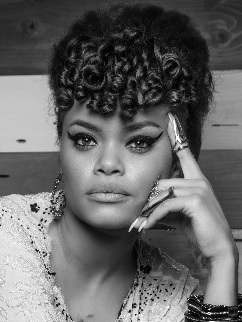
Actor / Singer / Songwriter
Andra Day is an American singer, songwriter, and actor and the recipient of numerous accolades, including a Grammy Award, a Children's and Family Emmy Award, and a Golden Globe Award, along with nomination for an Academy Award.
In 2015, she released her debut album, Cheers to the Fall which was nominated for Best R&B Album at the 2016 Grammy Awards, while it's single, "Rise Up", was nominated for Best R&B Performance. To promote "Rise Up", she performed the song on The View, earning a Daytime Emmy Award nomination for the performance.
In 2021, Day made her acting debut with her portrayal of Billie Holiday in Lee Daniels' biopic The United States vs. Billie Holiday, winning the Golden Globe Award for Best Actress in a Motion Picture – Drama, and received a nomination for the Academy Award for Best Actress. Day received the Grammy Award for Best Compilation Soundtrack for Visual Media for the film's accompanying soundtrack and has starred in numerous films and series since.
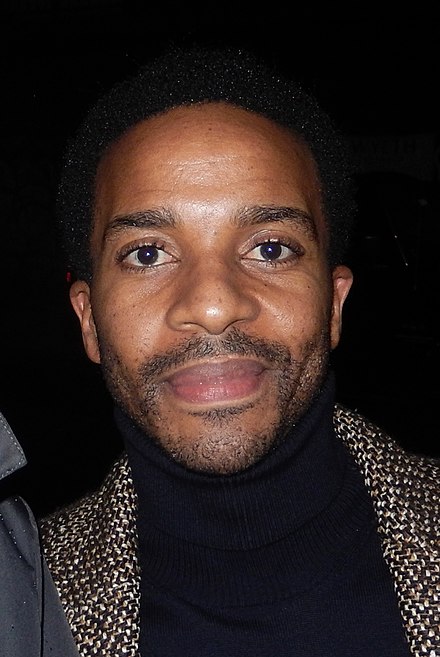
Actor
André Holland is an American actor who is widely known for his 2016 performance as Kevin in the Academy Award-winning film Moonlight.
Holland has acted in film, television, and theatre productions. He starred as Dr. Algernon Edwards in the Cinemax series The Knick (2014–2015) and as Matt Miller in the FX series American Horror Story: Roanoke (2016). He portrayed politician and activist Andrew Young in the 2014 film Selma and sportswriter Wendell Smith in the 2013 film 42. On stage, he has starred in August Wilson's play Jitney on Broadway in 2017. He plays a lead role on the 2020 Netflix musical drama series The Eddy, directed by Damien Chazelle.
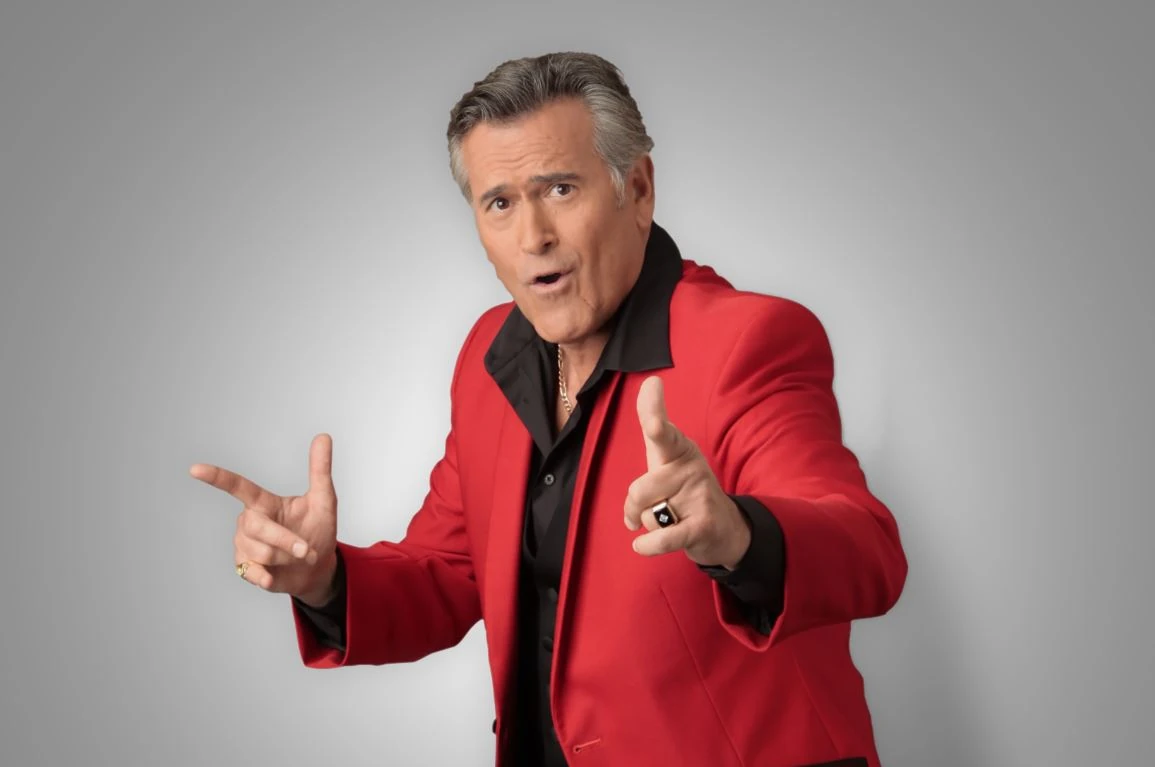
Actor / Author / Producer / Horror Icon
Bruce Campbell is an iconic American actor and filmmaker, best known for his cult-classic role as Ash Williams in Sam Raimi's "Evil Dead" horror franchise. With a career spanning decades, he has also captivated audiences with his blend of humor and action in TV series like "Burn Notice" and "The Adventures of Brisco County, Jr." Beyond acting, Campbell is a successful author and director, further solidifying his status as a beloved figure in genre entertainment.