The Ultimate Guide to The Adventures of Young Indiana Jones
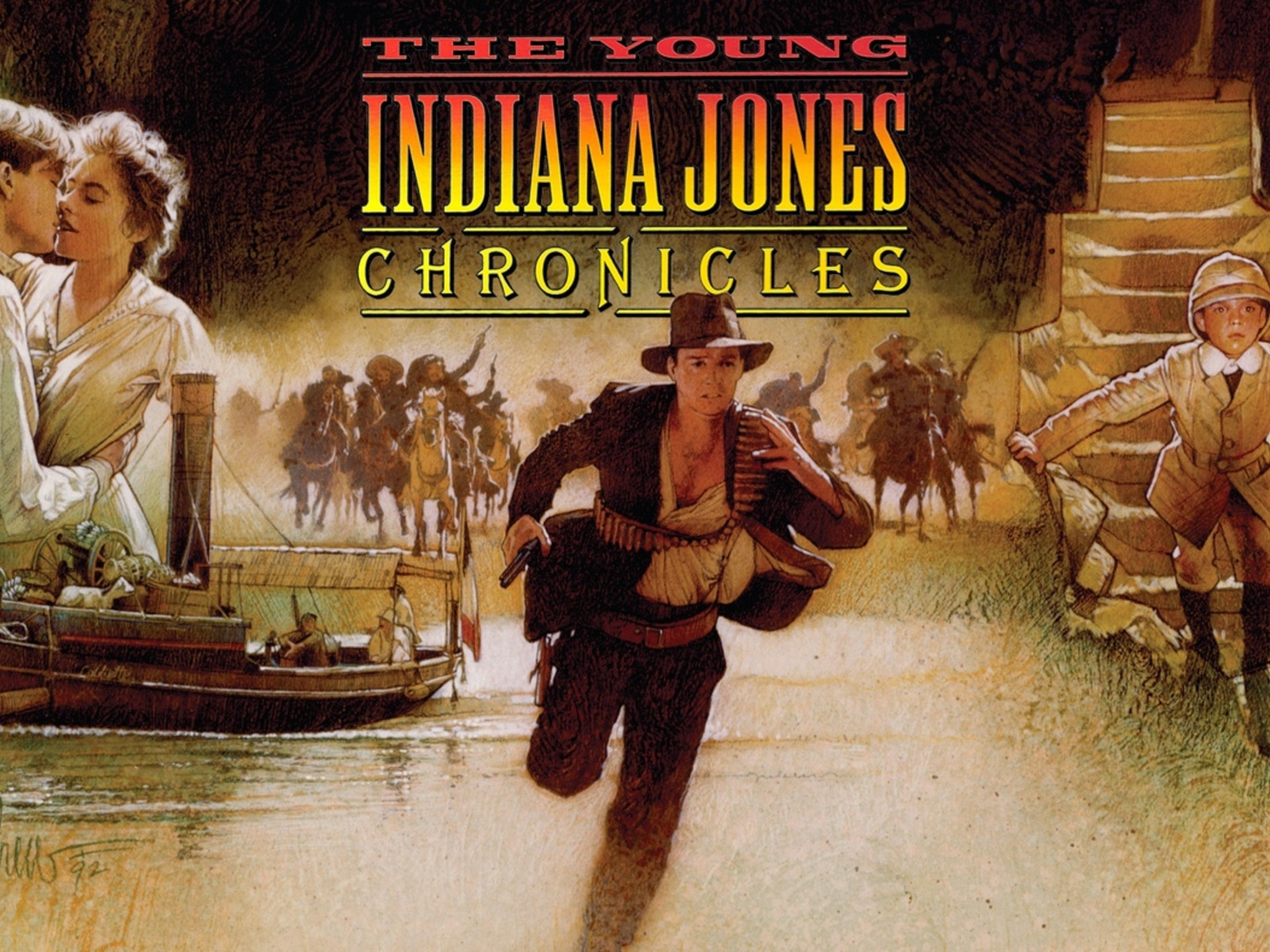
Before prestige TV, before cinematic universes were branded into existence and long before 'educational' meant a YouTube algorithm, "The Adventures of Young Indiana Jones" attempted to do something wildly ambitions: to turn Indiana Jones into a globetrotting history lesson and somehow make it fun? The result was a series that was way ahead of its time, completely misunderstood upon its release, re-edited into something else entirely and ultimately became one of the most fascinating 'what ifs" in television history. This is the ultimate guide to The Adventures of Young Indiana Jones (formerly known as The Young Indiana Jones Chronicles).
You can get The Young Indiana Jones Chronicles (DVD Set) here!
Why The Adventures of Young Indiana Jones Was Made at All
To understand why The Adventures of Young Indiana Jones exists, you have to forget everything franchises do now and remember where George Lucas was then.
This was not a man that was chasing relevance. This was a man deliberately stepping away from the giant spectacles he was known for.
By the late 1980s, Lucas had already done the thing most creators spend their entire careers chasing. Star Wars had permanently altered pop culture. Indiana Jones had redefined cinematic adventure. Lucasfilm was financially secure, culturally untouchable and technologically forward-looking.
Which meant Lucas was free to ask a very un-Hollywood question:
What do I actually want to say now?
The answer, surprisingly, was history.
The Idea That Predated the Icon
The concept of a young Indiana Jones didn’t come after the movies - it actually came before them. (Check out our Complete Chronological Guide to Indiana Jones!) Long before Raiders of the Lost Ark was a cultural juggernaut, Lucas imagined Indiana Jones as a man shaped by the early 20th century. The relic hunting came later. The worldview came first.
It was during the production of Indiana Jones and the Last Crusade that the specific idea of The Young Indiana Jones Chronicles came to him. Having River Pheonix play a young Indiana Jones in the film, Lucas saw that actually telling the story of young Indy could work.
Lucas has always been obsessed with myth (watch any of his films to see this), but by the late ’80s his interest had shifted toward how myths are formed - how people become who they are through exposure, failure and contradiction. He didn’t want to explore Indy’s childhood to create Easter eggs. He wanted to map the psychological and philosophical road that leads to the man in the fedora.
That meant focusing on the moments before the whip mattered.
Get Indiana Jones 4 Movie Collection (4K Blu-Ray + Digital Code) on Amazon here!
Post–Star Wars Lucas Was a Different Creator - An Educational One
By the time Young Indiana Jones entered development, when it was called The Young Indiana Jones Chronicles, Lucas was in a reflective phase. The original Star Wars trilogy was complete. The pressure of proving himself was gone. What remained was a desire to use his resources for something that felt… constructive.
Lucas had long expressed frustration with how history was taught - flattened into dates, names and inevitabilities. He believed history should feel alive, full of chance encounters and unresolved arguments. Television, not film, felt like the right medium for that ambition.
The goal wasn’t to dramatize history as spectacle. It was to humanize it. It was to make it accessible for you and for me.
Young Indiana Jones was conceived as a Trojan horse: an adventure brand that could smuggle real historical context into living rooms without feeling like homework for the audience.
Why Television - and Why Then?
The late 1980s and early 1990s were a strange, transitional moment for television. Cable television was expanding. Prestige TV didn’t exist yet, but anthology storytelling was still viable. Educational programming still had cultural legitimacy. And George Lucas saw an opening.
Television allowed for patience. It allowed for detours. It allowed for episodes where nothing explodes but ideas collide. More importantly, it allowed for scale. This wasn’t meant to be one story - it was meant to be a life, unfolding across continents and decades.
Lucasfilm poured resources into the production accordingly. International shoots. Period accuracy. Linguistic detail. The series was wildly expensive by TV standards, especially for something that wasn’t chasing mass-market thrills.
That expense wasn’t indulgence. It was philosophy made tangible.
Indiana Jones as a Curriculum, Not a Brand
From the start, the series was designed around the idea that Indiana Jones wouldn’t be the most important character in the room. History would be.
Young Indy moves through revolutions, wars, artistic movements, and political upheaval not as a savior but as a participant - sometimes useful, often irrelevant, always changed. That choice was intentional. Lucas wanted viewers, especially younger ones, to understand that history is not driven by lone heroes.
It’s driven by systems, movements, and people with conflicting beliefs.
That’s a risky lesson to attach to a blockbuster icon.
In fact, Lucas was so persistent on this educational aspect of it, that Lucasfilm commissioned an entire slew of historical educational materials tied to each episode for the DVD sets (& now YouTube).
The Network Compromise
When ABC came on board, there was already tension baked into the project. ABC wanted Indiana Jones. Lucas wanted Young Indiana Jones.
What ABC got was a series that often refused to behave like a network drama. Episodes of the series varied wildly in tone. Action was often intermittent. Dialogue actually carried weight. And some episodes played more like historical short stories than episodic TV.
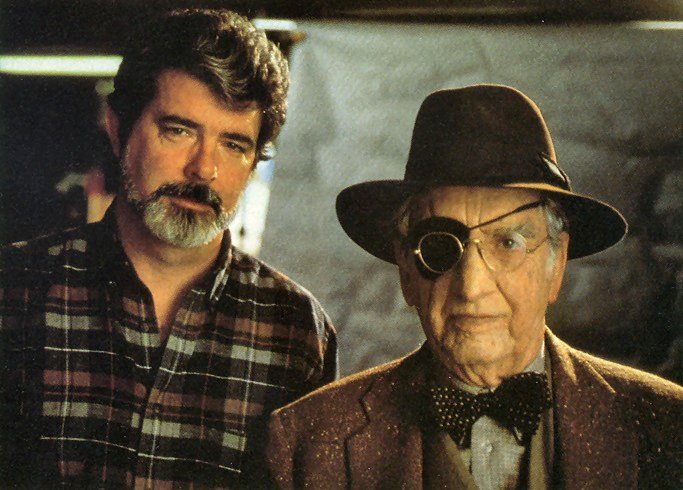
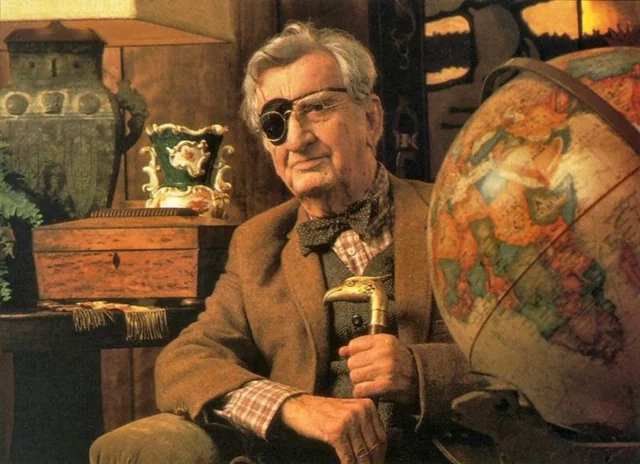
The elderly Indiana Jones framing device - played by George Hall - was Lucas’s way of anchoring it emotionally, reinforcing that these stories were about memory and consequence. It was also the first thing to be removed once ratings became a concern.
That tension never resolved. The show didn’t fail because it lacked quality. It failed because it refused to simplify itself to the lowest common denominator.
What Lucas Was Really Trying to Do
At its core, The Adventures of Young Indiana Jones was an attempt to redefine what franchise storytelling could be. Not louder. Not bigger. Just… deeper.
Lucas wasn’t interested in telling fans what they already knew. He was interested in showing them something they hadn’t considered: that Indiana Jones’s greatest weapon was never the whip. It was perspective.
And television - slow, thoughtful, occasionally frustrating television - was the only place that story could exist at that time.
For many fans, the story of Indiana Jones begins with a boulder chase in Raiders of the Lost Ark and ends with a sunset ride in Indiana Jones and the Last Crusade, but the man under the fedora lived a lifetime of adventure long before he ever set foot in that Peruvian temple. And as you know, we ain't "many fans". George Lucas’s ambitious experiment, The Young Indiana Jones Chronicles, took viewers on a sprawling journey through the early 20th century, blending high-stakes action with real-world history. However, thanks to cancellation, re-edits and a complete restructuring into feature-length "Chapters" for home release, watching the series today can feel like trying to solve an ancient riddle without a headpiece. Whether you are a die-hard completionist or a newcomer curious about Indy’s WWI years, this guide is your Rosetta Stone. Below, we’ve mapped out the entire saga - from the original ABC broadcast order to the streamlined "TV Movies" - so you can finally navigate Indy’s history without getting lost in the translation.
How to Use This Guide (Pick Your Indy)
If you’ve ever tried to watch Young Indy and felt like you needed a decoder ring and a doctorate degree, you’re not crazy - as there are multiple versions. Here’s the simplest way to approach it:
If you want the show the way it originally aired (and the way it was originally intended), start with the ABC Broadcast Episode Guide below. If you want the version that’s easiest to watch in one clean, chronological sweep - and the version most people see today - go straight to the Disney+ “Chapters” section. And if you want the full picture (because you’re one of my people), read both — the differences are half the story.
The Original Run, the Quiet Cancellation, and the Reinvention as TV Movies
When The Adventures of Young Indiana Jones premiered on ABC - as The Young Indiana Jones Chronicles - in March of 1992, it arrived carrying one of the most recognizable names in pop culture - and almost none of the usual network-TV instincts that name implied.
ABC expected a brand extension.
Lucasfilm delivered a historical chronicle.
The first season aired intermittently through 1992, with episodes that jumped between Indy’s childhood and his teenage years, framed by an elderly Indiana Jones looking back on his life with the benefit - and burden - of hindsight. The scheduling alone made the show difficult to latch onto. Episodes were expensive, international, and slow to produce, which meant long gaps between airings. This was not appointment television in an era that still relied on routine.
The second season followed in 1993, narrowing its focus primarily to Indy’s experiences during World War I. Creatively, the show was becoming more confident and more cohesive. Tonally, it was also becoming more challenging. The war arc was bleak by network standards - mud, moral ambiguity, shattered ideals - and it pushed the series even further from the swashbuckling expectations attached to the Indiana Jones name.
Ratings never collapsed outright, but they never justified the cost. The show was critically respected, technically admired, and commercially awkward. After two seasons and twenty-two produced episodes, ABC quietly stepped away.
There was no dramatic cancellation announcement. No cliffhanger finale. The series simply… stopped.
And yet, that wasn’t the end of the story.
The Strange Afterlife of Young Indiana Jones
Most television shows of the era ended when the network said they were done. Young Indiana Jones didn’t. In the mid-1990s, Lucasfilm made a decision that would fundamentally change how the series was remembered.
Rather than letting the show fade into obscurity, Lucasfilm re-edited the episodes into a series of feature-length television movies.
This wasn’t a simple repackaging. Entire sequences were removed, reordered, or reframed. Most notably, the elderly Indiana Jones bookends - central to the show’s original identity - were almost entirely excised. What had once been a reflective memoir became a chronological coming-of-age saga.
The goal was accessibility.
Viewed as weekly television, the series demanded patience and historical curiosity. Viewed as a sequence of movies, it became more approachable, more “Indiana Jones–adjacent,” and easier to market internationally. Each TV movie focused on a specific chapter of Indy’s youth, often centering on a single location, conflict or historical moment.
For many viewers, this re-edited version is the show.
Which creates an unusual situation: the most widely seen incarnation of Young Indiana Jones is not the one George Lucas originally broadcast.
What Was Gained — and What Was Lost
The TV movie format solved real problems. It smoothed pacing issues. It eliminated tonal whiplash. It made the series feel more like a unified narrative rather than a collection of philosophical short stories.
But it also altered the meaning of the project.
Without the older Indy framing device, the series no longer functioned as a man looking back on formative moments with complicated feelings. Instead, it played as a straightforward origin story. Insight became plot. Reflection became momentum.
Neither version is “wrong,” but they are fundamentally different experiences.
One is about memory. The other is about movement.
And that split helps explain why The Adventures of Young Indiana Jones remains so difficult to categorize even today.
The End Result: A Cult Classic With Two Identities
By the time the TV movies finished airing, Young Indiana Jones had effectively become a cult property—praised by educators, historians, and franchise die-hards, but largely invisible to casual viewers. It never returned for new episodes. It never received a revival. It simply existed, quietly, as a fascinating side road in one of cinema’s biggest franchises.
A show that didn’t fail loudly.
A franchise entry that didn’t beg for attention.
A series that trusted its audience more than its era allowed.
In the long view, its cancellation feels less like a rejection and more like a mismatch in timing. Young Indiana Jonesdidn’t disappear because it lacked value. It disappeared because television hadn’t yet learned how to reward patience.
The Guest Stars of The Adventures of Young Indiana Jones
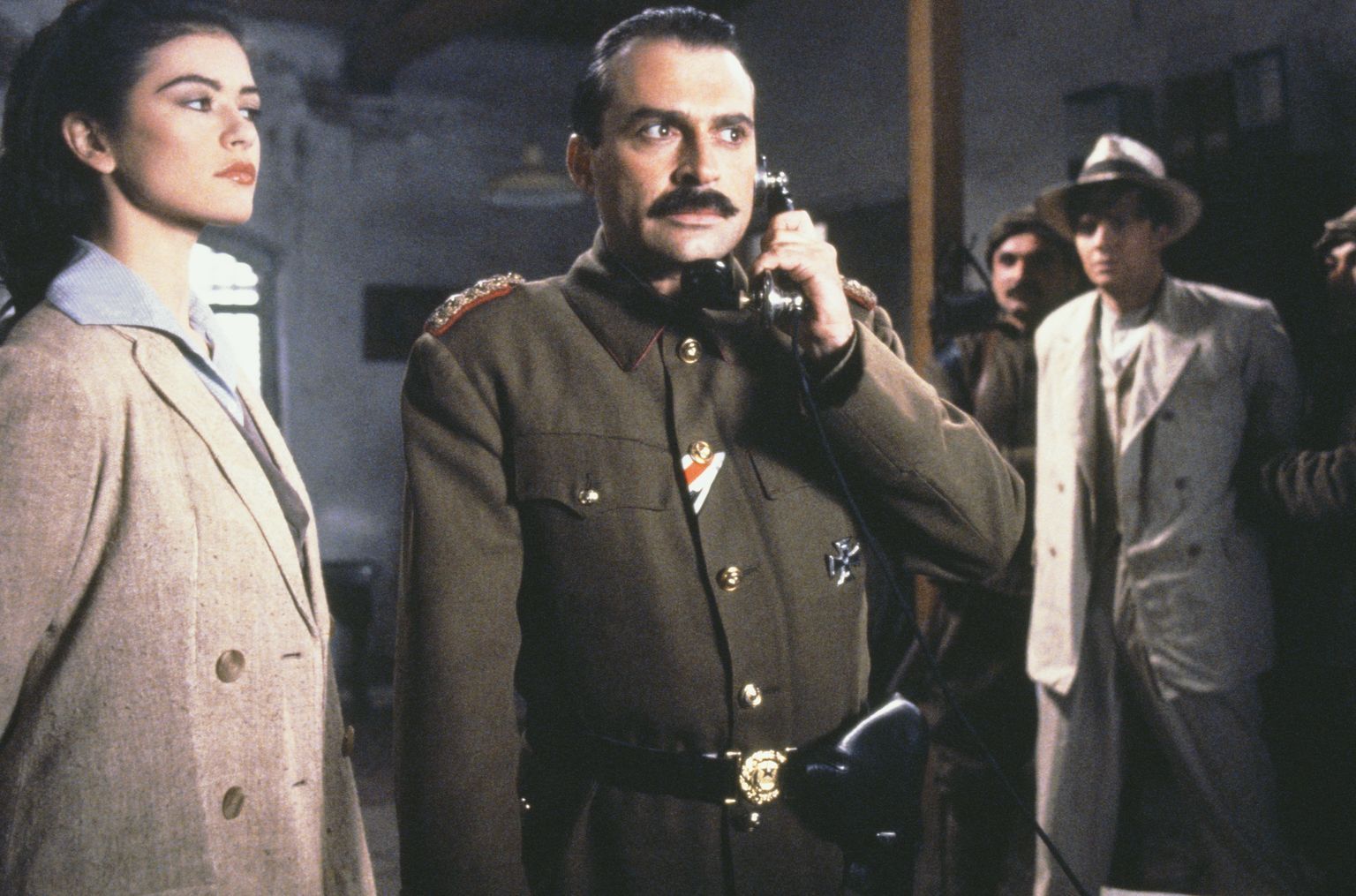
One of the wildest flexes of Young Indiana Jones is how stacked the guest talent is - the kind of “wait… THAT’S who?” casting that hits differently now that half these people became household names. Across the run you’ll spot future stars and heavy hitters like Daniel Craig, Catherine Zeta-Jones, Christopher Lee, Vanessa Redgrave, Jeffrey Wright, Elizabeth Hurley, Anne Heche, Peter Firth, and Paul Freeman, among many others. Often times, these celebrities would play important historical figures that appeared in Indy's adventures.
The Complete Viewing Roadmap
Now that you know why the show exists - and why it has multiple versions - let’s get into the part that makes this an actual survival guide. Below you’ll find the original ABC broadcast episode order, the Family Channel TV movies, and the Disney+ “Chapters” (the most common way people watch it today).
The Young Indiana Jones Chronicles Episode Guide
When The Young Indiana Jones Chronicles debuted on ABC in March of 1992, it was much different than what we know it as today. The original run is not canonical now, as the series would be drastically re-edited later on. Here is the episode guide for The Young Indiana Jones Chronicles.
Original Broadcast: Season 1 (ABC)
Pilot Movie Title: Young Indiana Jones and the Curse of the Jackal
Airdate: March 4, 1992
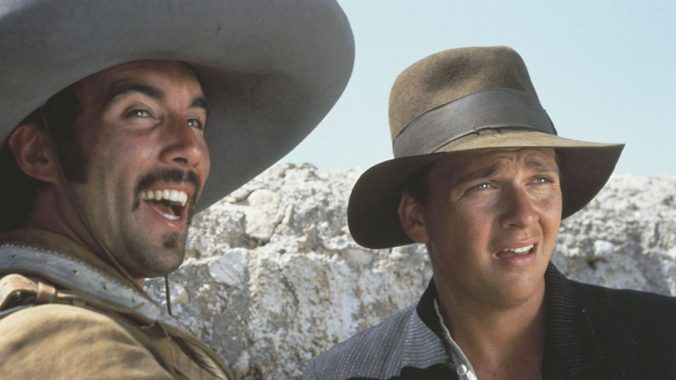
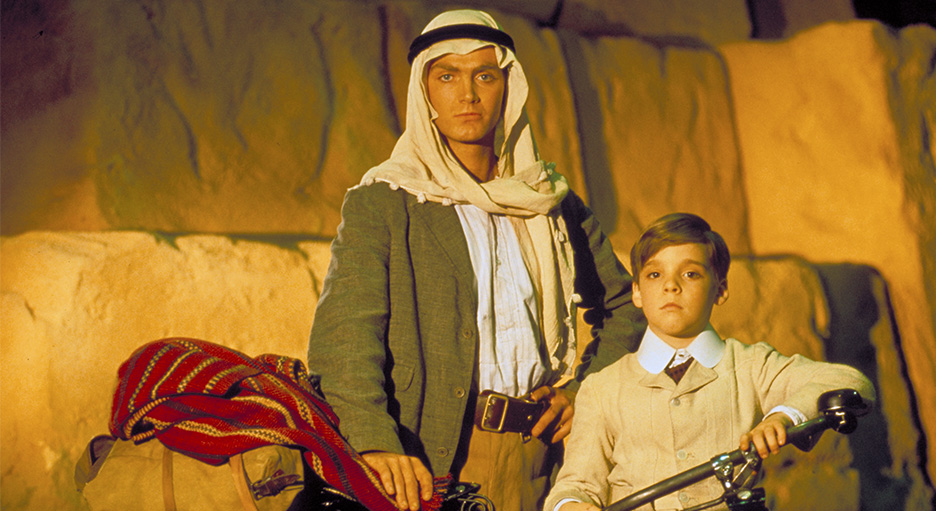
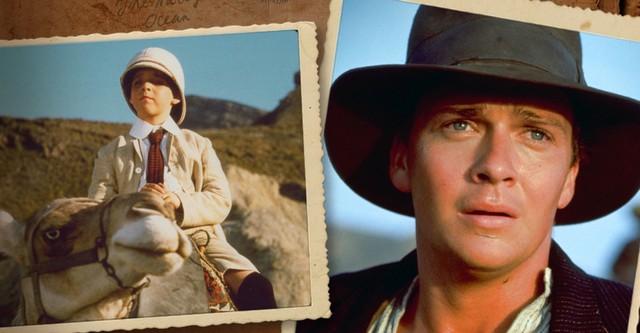
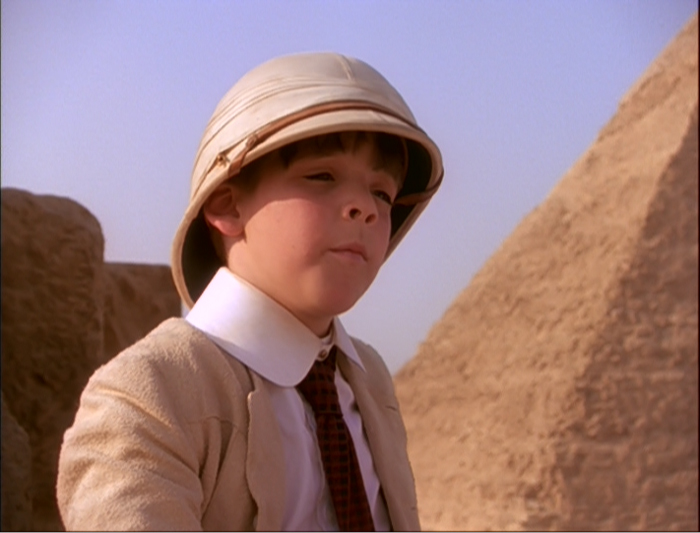
Synopsis: In the prologue, Indy (Harrison Ford) finds a jackal scepter in a cave. In 1908, young Indy (Corey Carrier) visits Egypt, meets T.E. Lawrence, and gets involved in a tomb robbery. In 1916, teen Indy (Sean Patrick Flanery) gets involved with Pancho Villa in Mexico and encounters the same jackal scepter.
Episode 2
Title: London, May 1916
Airdate: March 11, 1992
Synopsis: Indy is in London working as a bus conductor. He falls in love with a suffragette named Vicky and meets Winston Churchill. After a Zeppelin raid kills an old friend, he and his friend Remy decide to enlist in the Belgian Army.
Episode 3
Title: British East Africa, September 1909
Airdate: March 18, 1992
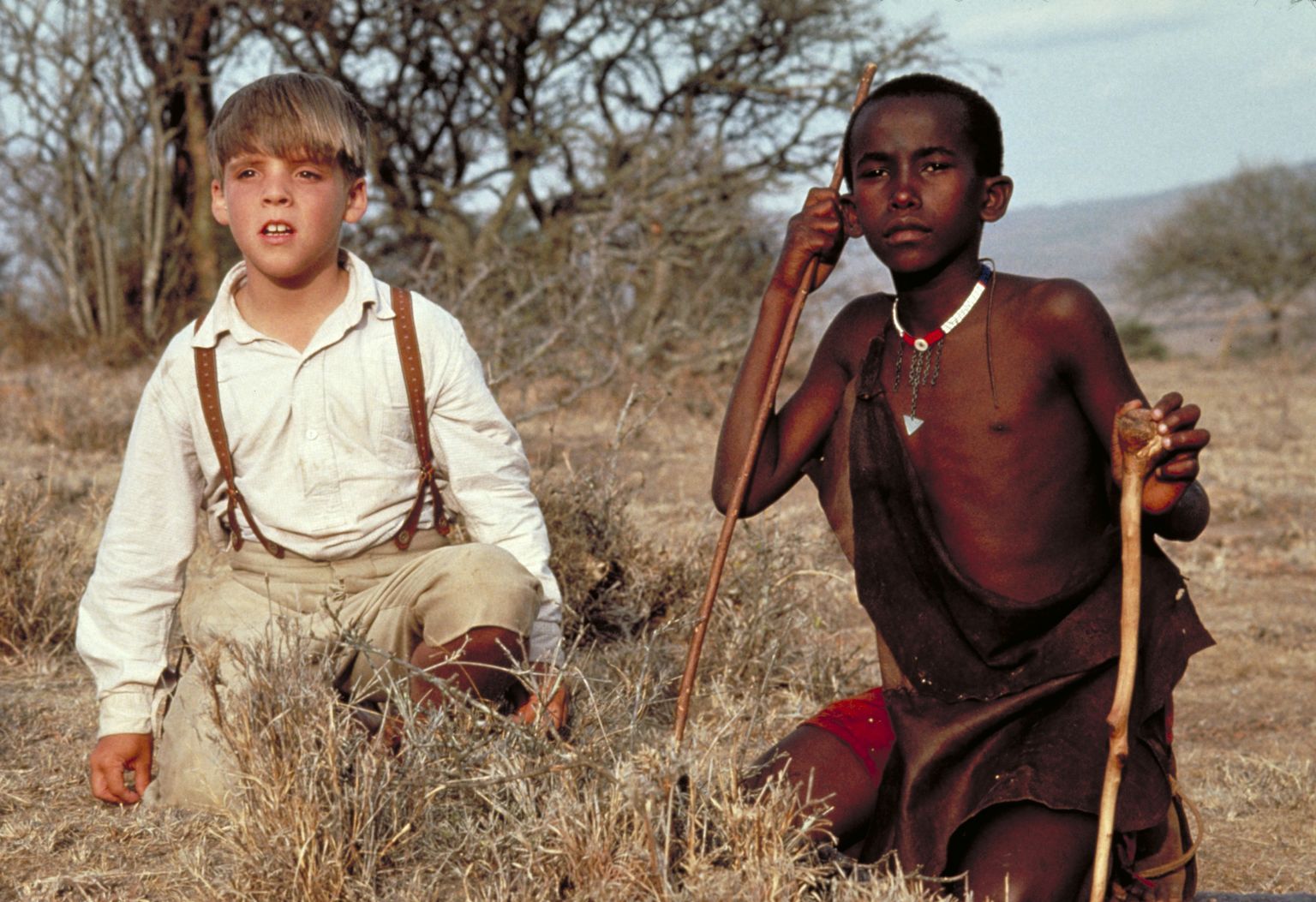
Synopsis: Indy goes on a safari in Kenya with Teddy Roosevelt. He becomes determined to find a rare oryx but gets lost in the bush, where he learns survival skills and respect for nature from a Maasai boy.
Episode 4
Title: Verdun, September 1916|
Airdate: March 25, 1992
Synopsis: Now a soldier, Indy works as a motorcycle courier on the Western Front. He meets French Generals Pétain and Nivelle but becomes disillusioned when he sees the callous way they sacrifice troops, witnessing the execution of a deserter.
Episode 5
Title: German East Africa, December 1916
Airdate: April 1, 1992
Synopsis: Promoted to Lieutenant, Indy leads a unit of African Askari soldiers. He struggles to earn their respect and battles the inherent racism of his white commanding officers while trying to capture a German outpost.
Episode 6
Title: Congo, January 1917
Airdate: April 8, 1992
Synopsis: Indy leads a trek through the jungle to retrieve medicine for his dying men. He encounters perils like crocodiles and disease before meeting Albert Schweitzer, whose philosophy of "Reverence for Life" changes Indy's perspective on the war.
Original Broadcast: Season 2 (ABC)
Episode 1
Title: Austria, March 1917
Airdate: September 21, 1992
Synopsis: Now working for French Intelligence, Indy must escort the Princes of Bourbon-Parma into Austria to deliver a secret peace proposal to Emperor Karl I, all while avoiding German spies.
Episode 2
Title: Somme, August 1916
Airdate: September 28, 1992
Synopsis: A flashback to Indy's time as a corporal in the trenches. His unit suffers devastating losses during a charge. He faces the terror of gas attacks and the death of his friends.
Episode 3
Title: Germany, August 1916
Airdate: October 5, 1992
Synopsis: Captured by the Germans, Indy is imprisoned in a fortress POW camp. He attempts multiple escapes, eventually teaming up with Charles de Gaulle.
Episode 4
Title: Barcelona, May 1917
Airdate: October 12, 1992
Synopsis: Indy meets Pablo Picasso again and gets a job with the Ballets Russes. He also tries to help three bumbling international spies who are more comical than dangerous.
Episode 5
Title: Young Indiana Jones and the Mystery of the Blues (2-Hour Special)
Airdate: March 13, 1993
Synopsis: Opens with Harrison Ford as Indy in 1950 Wyoming. In 1920 Chicago, Indy waits tables, learns to play jazz saxophone from Sidney Bechet, rooms with Eliot Ness, and solves a murder mystery involving Al Capone.
Episode 6
Title: Princeton, February 1916
Airdate: March 20, 1993
Synopsis: Back in high school, Indy tries to get a date for the prom. He navigates teenage rivalry and his father's strict expectations, meeting Thomas Edison to help with a science project.
Episode 7
Title: Petrograd, July 1917
Airdate: March 27, 1993
Synopsis: Indy is sent to Russia to help keep the government in the war against Germany. He witnesses the chaos of the Bolshevik Revolution and the rise of Vladimir Lenin.
Episode 8
Title: Young Indiana Jones and the Scandal of 1920 (2-Hour Special)
Airdate: April 3, 1993
Synopsis: In New York City, Indy works in the theater world. He juggles three different girlfriends and jobs, encountering George Gershwin and the critics of the Algonquin Round Table.
Episode 9
Title: Vienna, November 1908
Airdate: April 10, 1993
Synopsis: Young Indy falls for Princess Sophie, the daughter of Archduke Franz Ferdinand. He receives conflicting romantic advice from Sigmund Freud, Carl Jung, and Alfred Adler.
Episode 10
Title: Northern Italy, June 1918
Airdate: April 17, 1993
Synopsis: Indy drives an ambulance in Italy. He competes with a brash young Ernest Hemingway for the affections of a beautiful nurse.
Episode 11
Title: Young Indiana Jones and the Phantom Train of Doom (2-Hour Special)
Airdate: June 5, 1993
Synopsis: Indy returns to Africa to find and destroy a massive German railgun that keeps disappearing. He works with a team of eccentric, aging demolitions experts.
Episode 12
Title: Ireland, April 1916
Airdate: June 12, 1993
Synopsis: While working his way to London, Indy stops in Ireland. He becomes embroiled in the cultural and political tensions leading up to the Easter Rising rebelion.
Episode 13
Title: Paris, May 1919
Airdate: June 19, 1993
Synopsis: The war is over. Indy works as a translator at the Paris Peace Conference. He sees the cynicism of the "Big Three" leaders as they carve up the map of the world, ignoring the pleas of smaller nations.
Episode 14
Title: Peking, March 1910
Airdate: June 26, 1993
Synopsis: Young Indy falls critically ill with typhoid fever in China. While he hallucinates, his mother Anna fights for his life, and his father Henry Sr. struggles with his inability to express emotion.
Episode 15
Title: Benares, January 1910
Airdate: July 3, 1993
Synopsis: In India, Indy meets Jiddu Krishnamurti, a boy chosen by Theosophists to be a world teacher. They sneak away to experience "normal" childhood fun.
Episode 16
Title: Paris, October 1916
Airdate: July 10, 1993
Synopsis: On leave in Paris, Indy has a passionate affair with the exotic dancer Mata Hari, unaware that she is a German spy using him for information.
Episode 17
Title: Istanbul, September 1918
Airdate: July 17, 1993
Synopsis: Indy poses as a Swedish journalist in Constantinople to make contact with Turkish leaders and convince them to sign a separate peace treaty.
Episode 18
Title: Paris, September 1908
Airdate: July 24, 1993
Synopsis: Young Indy meets a young Norman Rockwell in Paris. They explore the bohemian lifestyle of Montmartre, crashing a party with Degas and Picasso.
Note: Four episodes (Florence, Prague, Transylvania, Tangiers) were produced for Season 2 but did not air on ABC due to cancellation of the series. They aired later on The Family Channel.
The Family Channel TV Movies (1994–1996)
These were produced to wrap up the series after ABC cancelled it, often utilizing the unaired footage from Season 2.
TV Movie 1
Title: Young Indiana Jones and the Hollywood Follies
Airdate: October 15, 1994
Synopsis: Indy goes to Hollywood in 1920. He clashes with director Erich von Stroheim and goes on a location shoot with John Ford, meeting an aging Wyatt Earp.
TV Movie 2
Title: Young Indiana Jones and the Treasure of the Peacock's Eye
Airdate: January 15, 1995
Synopsis: Following the end of WWI, Indy and Remy follow a map to a legendary diamond that belonged to Alexander the Great. The hunt takes them from London to Egypt to the South Pacific.
TV Movie 3
Title: Young Indiana Jones and the Attack of the Hawkmen
Airdate: October 8, 1995
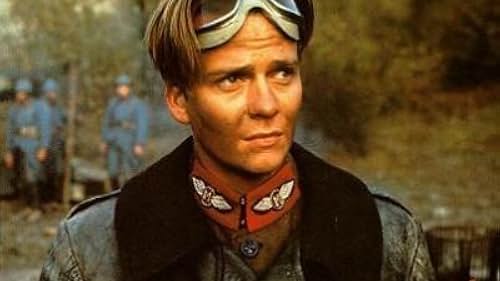
Synopsis: Indy joins the Lafayette Escadrille. He becomes an aerial photographer, dogfights with the Red Baron, and goes on a secret mission into Germany to steal aircraft plans from Anthony Fokker.
TV Movie 4
Title: Young Indiana Jones: Travels with Father
Airdate: June 16, 1996
Synopsis: Young Indy runs away in Russia (meeting Tolstoy) and later travels through Greece with his father, where they bond in the monasteries of Meteora.
The Adventures of Young Indiana Jones Episode Guide
These are the edited "chapter" versions of the series, which typically combined two episodes of the original into each of the 22 feature length "adventure" films. They have been reformatted with the book ends removed and in some cases new segments added in or previous segments taken out. These chapters are now the canonical versions currently on Disney+.
Chapter 1: My First Adventure
Original Parts: Curse of the Jackal (Egypt segment) + Tangiers, May 1908 (Unaired ABC episode)
Synopsis: Indy discovers archaeology in Egypt with T.E. Lawrence and is kidnapped by slave traders in Morocco.
Chapter 2: Passion for Life
Original Parts: British East Africa, 1909 + Paris, 1908
Synopsis: Indy learns respect for nature from Theodore Roosevelt in Kenya and explores the art world with Picasso in Paris.
Chapter 3: The Perils of Cupid
Original Parts: Vienna, 1908 + Florence, 1908 (Unaired ABC episode)
Synopsis: Indy experiences his first heartbreaks and learns about psychology from Freud and romance from Puccini.
Chapter 4: Travels with Father
Original Parts: Travels with Father (Family Channel Movie)
Synopsis: Indy and his father bridge their emotional gap while traveling through Russia and Greece.
Chapter 5: Journey of Radiance
Original Parts: Benares, 1910 + Peking, 1910
Synopsis: Indy explores spirituality in India and survives a deadly fever in China, bringing him closer to his mother.
Chapter 6: Spring Break Adventure
Original Parts: Princeton, 1916 + Curse of the Jackal (Mexico segment)
Synopsis: Indy deals with high school romance before riding with Pancho Villa in the Mexican Revolution.
Chapter 7: Love's Sweet Song
Original Parts: Ireland, 1916 + London, 1916
Synopsis: Indy experiences the Irish uprising and a romance in London before enlisting in the Great War.
Chapter 8: Trenches of Hell
Original Parts: Somme, 1916 + Germany, 1916
Synopsis: Indy survives the slaughter of the trenches and escapes a high-security German POW camp.
Chapter 9: Demons of Deception
Original Parts: Verdun, 1916 + Paris, 1916
Synopsis: Indy works as a courier at Verdun and has a doomed affair with the spy Mata Hari.
Chapter 10: Phantom Train of Doom
Original Parts: Phantom Train of Doom (ABC Special)
Synopsis: Indy hunts a German super-weapon in Africa.
Chapter 11: Oganga, The Giver and Taker of Life
Original Parts: German East Africa, 1916 + Congo, 1917
Synopsis: Sickened by the war, Indy leads a mission to find Albert Schweitzer in the Congo.
Chapter 12: Attack of the Hawkmen
Original Parts: Attack of the Hawkmen (Family Channel Movie)
Synopsis: Indy becomes a fighter pilot and spy for the French Secret Service.
Chapter 13: Adventures in the Secret Service
Original Parts: Austria, 1917 + Petrograd, 1917
Synopsis: Indy undertakes high-stakes diplomatic missions in Austria and Revolutionary Russia.
Chapter 14: Espionage Escapades
Original Parts: Barcelona, 1917 + Prague, 1917 (Unaired ABC episode)
Synopsis: Indy engages in comedic spy misadventures in Spain and battles bureaucracy in Prague with Kafka.
Chapter 15: Daredevils of the Desert
Original Parts: Daredevils of the Desert (Family Channel Movie)
Synopsis: Indy goes undercover in Palestine to help the Australian Lighthorsemen capture Beersheba.
Chapter 16: Tales of Innocence
Original Parts: Northern Italy, 1918 + Morocco, 1917 (Flashback segment)
Synopsis: Indy rivals Ernest Hemingway for a girl's love and hunts a traitor in the Foreign Legion.
Chapter 17: Masks of Evil
Original Parts: Istanbul, 1918 + Transylvania, 1918 (Unaired ABC episode)
Synopsis: Indy faces spies in Turkey and a vampire general in Romania.
Chapter 18: Treasure of the Peacock's Eye
Original Parts: Treasure of the Peacock's Eye (Family Channel Movie)
Synopsis: Indy searches for Alexander the Great's diamond across the globe after the war ends.
Chapter 19: Winds of Change
Original Parts: Paris, 1919 + Princeton, 1919 (Part of original "Mystery of the Blues" airdate)
Synopsis: Indy witnesses the Treaty of Versailles and decides to leave Princeton to pursue archaeology.
Chapter 20: Mystery of the Blues
Original Parts: Mystery of the Blues (ABC Special)
Synopsis: Indy learns jazz and fights the mob in 1920 Chicago.
Chapter 21: Scandal of 1920
Original Parts: Scandal of 1920 (ABC Special)
Synopsis: Indy works in the Broadway theater scene in New York.
Chapter 22: Hollywood Follies
Original Parts: Hollywood Follies (Family Channel Movie)
Synopsis: Indy works in the early film industry in Hollywood.
World War I: The Emotional Spine of the Series
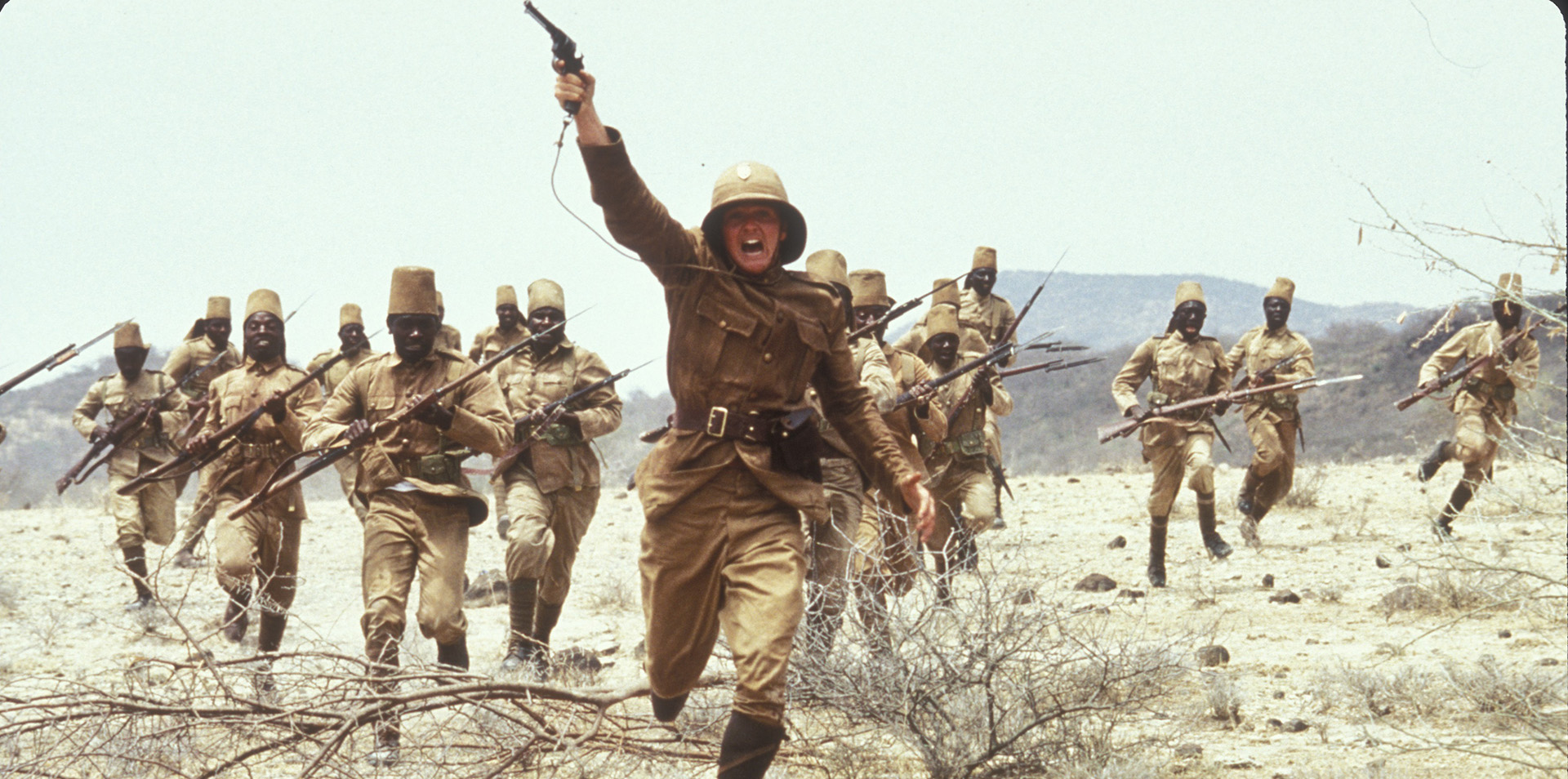
If The Young Indiana Jones Chronicles has a single unifying force, it isn’t archaeology or adventure. It’s World War I. Once the series commits to Indy’s wartime years, everything sharpens. The tone darkens. The questions get harder. The optimism drains away - not all at once, but steadily, episode by episode.
This isn’t the war as backdrop. It’s the war as education.
Indy enters the conflict with idealism, curiosity, and the belief that intelligence and goodwill might matter. He leaves it with scars - emotional more than physical - and a hard-earned skepticism toward institutions, nationalism and simplistic narratives of heroism. The series doesn’t glamorize the war, and it doesn’t soften its contradictions. Violence is chaotic. Authority is inconsistent. Victory is rarely ever clean.
World War I is where Indiana Jones learns that history isn’t a puzzle to be solved - it’s a force that shapes people whether they’re ready or not. That lesson never leaves him.
What Young Indiana Jones Adds to the Indiana Jones Canon
The films introduce us to a finished character: confident, capable and allergic to authority. Young Indy explains how that worldview was forged and at what cost that was.
The series clarifies why Indy speaks multiple languages fluently, not as a party trick but as survival. It gives weight to his discomfort with unchecked power, his resistance to nationalism and his instinct to question who “owns” history. He doesn’t just stumble into history’s greatest moments - he watches what those moments do to the people living through them.
Most importantly, the show reframes Indiana Jones as a man shaped more by people than objects. Mentors, lovers, soldiers, artists and thinkers leave marks on him that no relic ever does. By the time the films begin, Indy isn’t chasing adventure for its own sake. He’s chasing understanding - trying, sometimes unsuccessfully, to impose meaning on a chaotic world.
Seen through this lens, the films get deeper. Indy’s cynicism isn’t snark - it’s earned. His compassion isn’t incidental - it’s hard-won. The man we meet in Raiders doesn’t come out of nowhere. He comes out of history.
Legacy, Reappraisal, and Why It Matters Now
When The Young Indiana Jones Chronicles premiered in 1992, television wasn’t ready for it. It asked too much patience, offered too little spectacle and trusted its audience in ways network TV rarely rewarded at the time.
Today, it feels oddly contemporary.
In an era of prestige dramas, serialized character studies and historically grounded storytelling, Young Indy looks less like a misfire and more like a prototype. It attempted long-form character development before that language existed. It treated history as morally complex long before that became fashionable. And it dared to slow down a blockbuster brand without apologizing for it.
Its legacy isn’t measured in ratings or seasons. It’s measured in how thoroughly it deepens one of cinema’s most enduring characters. This isn’t the “forgotten” Indiana Jones series. It’s the thoughtful one - the one that cared more about why than what.
Ultimately, The Young Indiana Jones Chronicles is the missing link that transforms Henry Jones Jr. from a Saturday matinee action hero into a fully realized character shaped by the triumphs and tragedies of the 20th century. It explains the cynicism he carries in Raiders of the Lost Ark, the skills he displays in Temple of Doom and the complicated relationship with his father in Last Crusade. We hope this guide helps you navigate the shifting sands of the series' release history, allowing you to experience these stories exactly as you prefer. So grab your journal, pack your fedora and let me know if you are discovering the adventures of Young Indy for the first time?

On Air Talent / Creator / Author / Producer
Kyle McMahon is an American television personality, radio host, journalist, actor, singer and songwriter. He is known for appearing in Oprah's Lifeclass, the Oscar winning film Selma, hosting Pop Culture Weekly with Kyle McMahon on iHeart Radio and touring with LFO and O-Town.
Ultimate Guide to The Last Drive-In with Joe Bob Briggs