The Ultimate Home Theater Guide
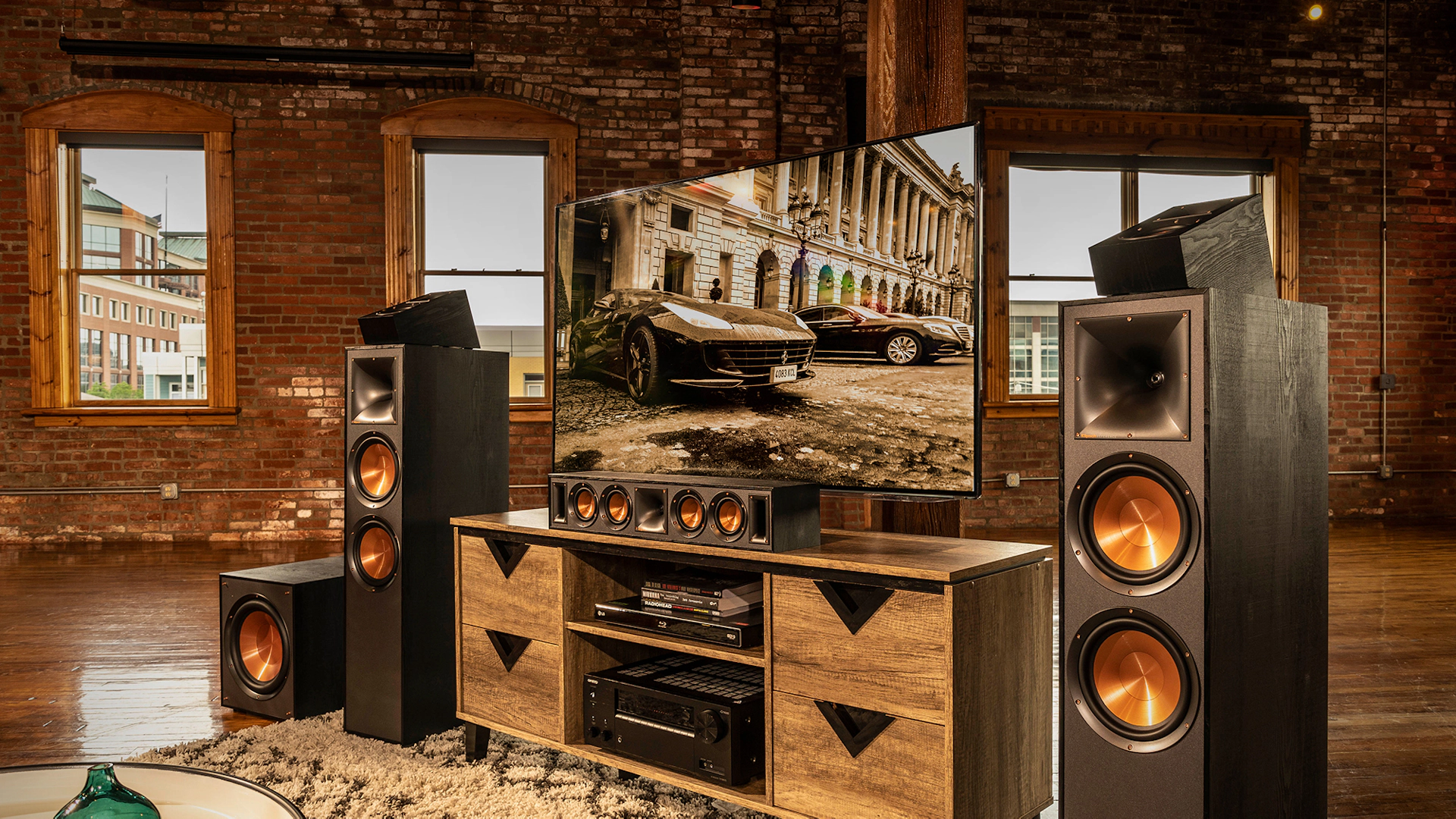
The Ultimate Home Theater Guide: What You Really Need to Know (From a Klipsch Expert Who Lives This Stuff)
If you’ve ever Googled “home theater setup” and immediately felt your soul leave your body, welcome. You are among friends. I recently went down the audio rabbit hole myself — and not the cute Disney kind where woodland creatures sing. I mean the kind where strangers on Reddit fight over subwoofer placement like it’s a constitutional issue.
So to make sense of all of this, I talked with Marcus Buckler, the Training Manager at Premium Audio Company - the parent company behind Klipsch, Onkyo and Integra. In other words, the man literally trains the people who train the people who sell the equipment. The guy knows his stuff better than anyone.
And from our conversation, one thing became crystal clear:
A home theater isn’t about how much money you have - it’s about how you build it.
This is your full, SEO-friendly guide to making movies, TV, music and games sound incredible at home… written by someone who loves pop culture, loves movies and once thought “7.2.4” was a Bible verse.
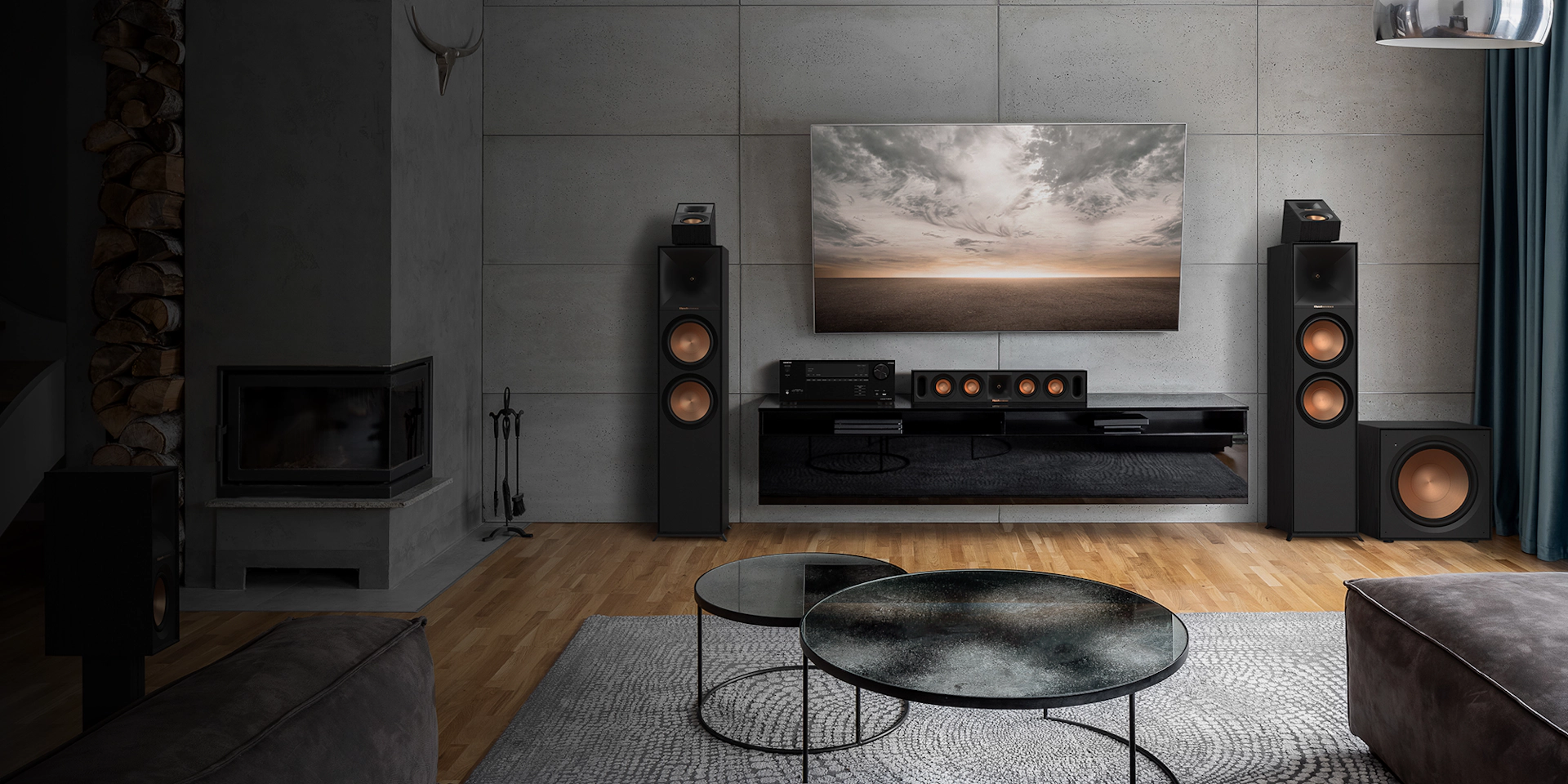
The Truth: Home Theater Isn’t One Size Fits All
Here’s something I didn’t realize until Marcus said it out loud: a home theater can be anything from a $350 soundbar in a studio apartment to a fully dedicated room with speakers in the walls, ceiling, possibly the floor - Idk, some people get real wild.
Marcus trains retailers all over the country and sees this variety firsthand. As he told me: “You can start small and grow into it. It’s a journey, not something to be intimidated by.”
In New York City apartments, he helps people build shockingly good systems out of bookshelf speakers and compact subs. In sprawling homes, he’s worked on setups that cost more than my car. The spectrum is huge, but the approach is the same:
Start where you are, and build from there.
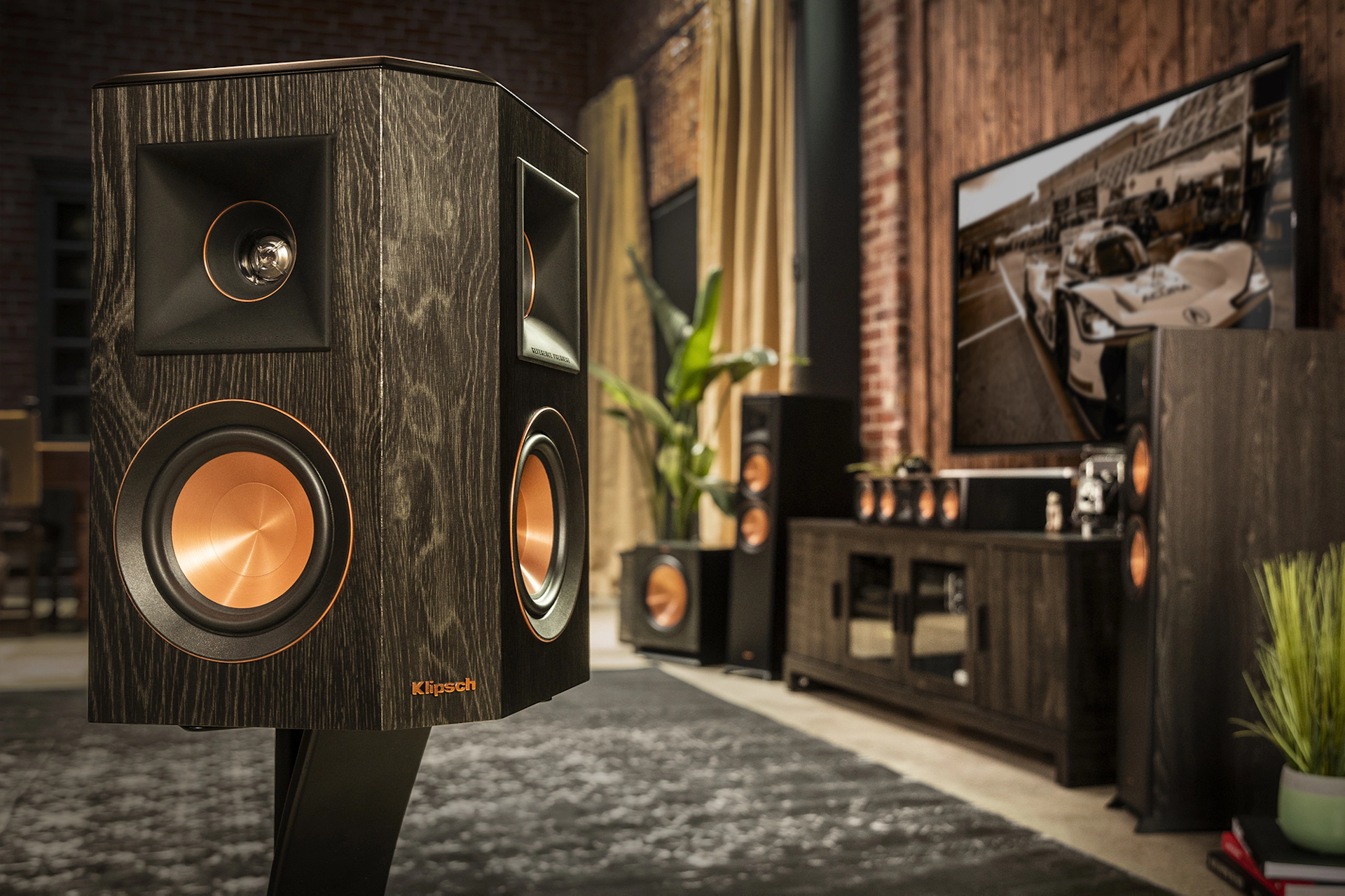
Why Audio Changes Everything
Before we get into the “how,” let’s talk about why this matters.
Marcus described his first real audio experience - hearing an Eric Clapton track through a high-end pair of speakers - as “life-changing, like the first time you taste a really good glass of wine. You just can’t go back.”
He’s right. When you hear great audio for the first time, it’s not subtle. It’s a whole body experience. Your brain goes, “Ohhhh. This is what it was supposed to sound like.”
Most people today think good audio means upgraded earbuds that cost as much as a utility bill. But real speakers - real room filling, cinematic sound - change the game completely.
As Marcus put it: “If you’ve never heard your favorite song or a great movie through real hi-fi, you just don’t know what you’re missing.”
This whole world isn’t supposed to be intimidating. It’s supposed to be fun.
Where to Actually Start: The Couch
Let’s simplify: your home theater revolves around where you sit. Not the room, not the walls, not the ceiling - your actual seating position.
From that spot, everything else builds outward.
Marcus explained it perfectly:
“In your home, it’s usually just you and the couch. Build for that listening position and you’re already ahead.”
Once you understand that, the entire process gets easier and a lot less like studying for a physics final.
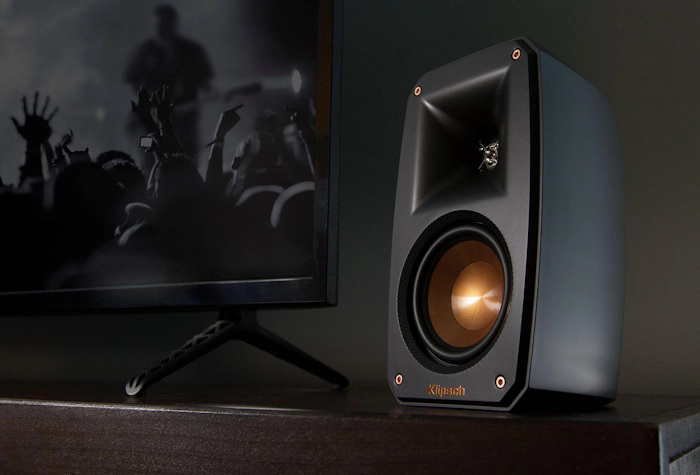 The Most Important Speakers in Your System
Home theater experts may argue about everything: cables, placement, brands, tweeter material, astrology signs - but they all agree on one thing:
Your front three speakers are the heart of your system.
Left & Right Speakers
These are your anchors. All music is recorded in two channels, and most film sound - scores, effects, ambience — comes from these.
Marcus said something that stuck with me:
“Those speakers are probably going to be with you a long time. So put real budget there.”
He’s right. Good speakers last years - even decades - when they're taken care of.
The Center Channel
This one changed how I think about home theaters entirely.
Marcus told me:
“Your center channel is all of your dialogue. It’s the most important speaker for movies and TV.”
If you’ve ever strained to hear a whisper only to be blasted by the next explosion?
That’s because your center speaker isn’t doing what it should.
A strong, well-matched center channel keeps dialogue clear without constant volume-riding. It’s the unsung hero of your system - and Klipsch, as Marcus pointed out, “does vocal presence incredibly well.”
If you take nothing else from this article, take this:
Invest in the center channel. It will fix half the problems you didn’t know you had.
Budget Reality: Yes, You Can Start Small
A huge misconception is that home audio is exclusively for people with private planes and four-car garages. Not true.
Marcus said something I loved:
“Entry level systems today are shockingly good. You can spend a thousand bucks and have a setup that blows you away.”
You don’t need to build a full 7.2.4 system out of the gate. You can start with:
A soundbar
A 2.1 system
A 3.1 system
A simple receiver and bookshelf speakers
The point is to begin.
Your first system is not your final system. And according to Marcus, “Good audio products last a long time. You can always build onto them later.”
 Receivers: The Part Everyone Ignores (But Shouldn’t)
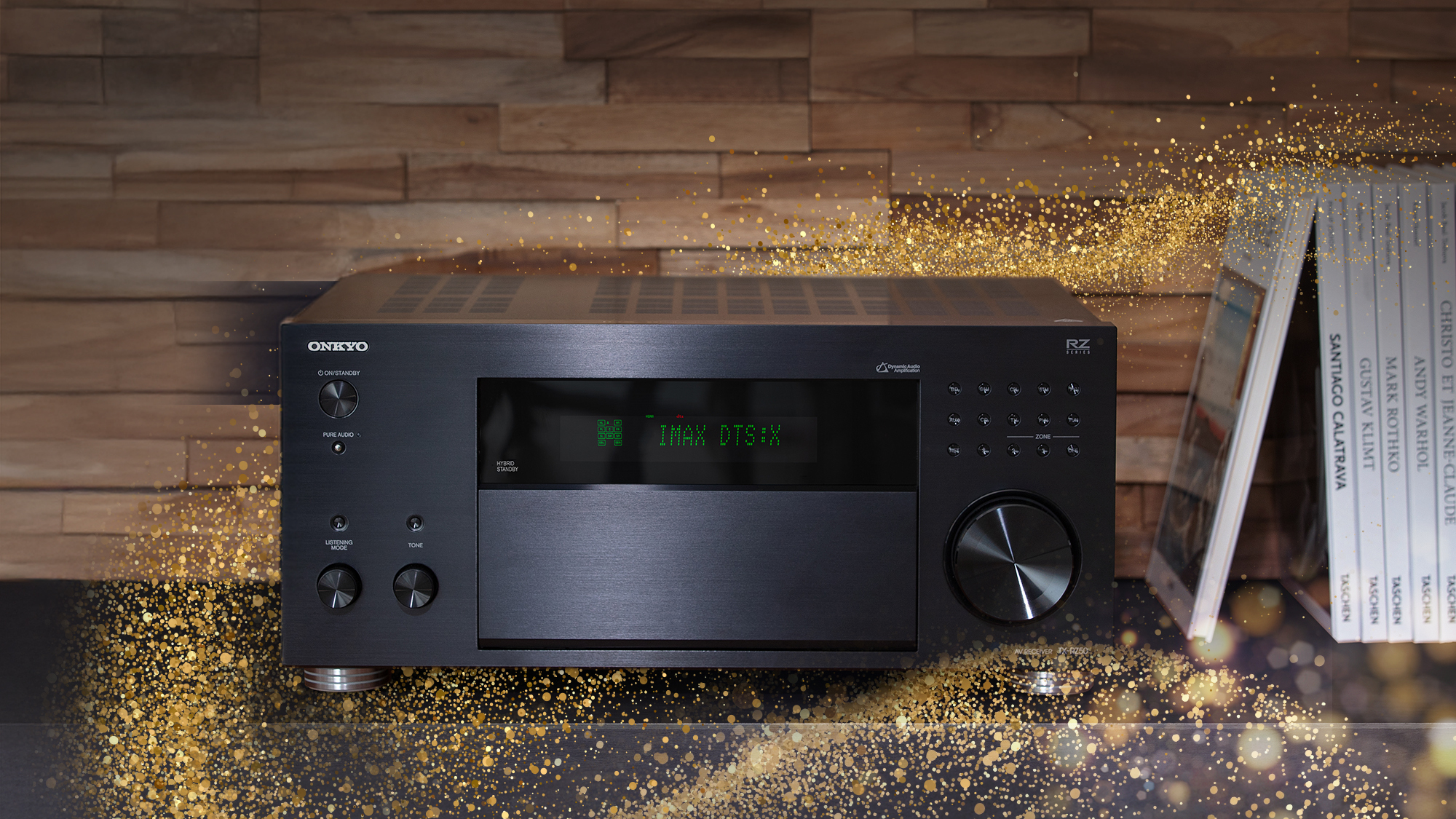
Time for the AVR - the audio video receiver - the brain of your entire setup.
Before talking to Marcus, I thought receivers were just input hubs. Nope.
A receiver:
Powers your speakers
Decodes Dolby Atmos, DTS:X, etc.
Converts digital signals into actual sound
Calibrates and balances your room
Routes all your devices
As Marcus said:
“Your AVR is the brain. It decodes everything and sends it to the right speaker. If the brain isn’t good, the system won’t be good.”
His rule of thumb is simple and smart:
Spend about half as much on your AVR as you did on your front speakers.
He specifically praised the Onkyo TX-NR6100 and TX-NR5100 for offering serious power and Atmos capability at a budget-friendly price.
Soundbar vs. “Real” Speakers: The Honest Breakdown
I asked Marcus straight-up if soundbars were legit or just space-saving compromises.
His answer:
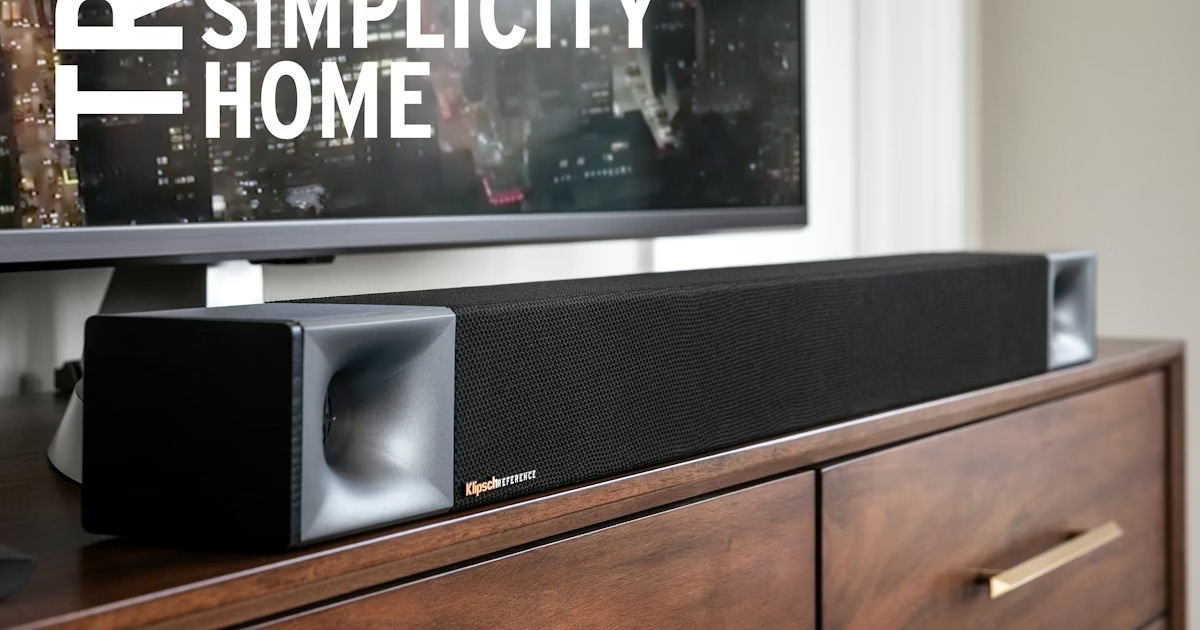
“Soundbars are great if you buy one from an audio company. Not a company that just makes boxes.”
In other words: brand matters.
Klipsch’s Flexus series is built with Onkyo receiver tech inside, so a $350–$600 soundbar can actually produce real Atmos effects, real low end, and real clarity.
But if you have the room, Marcus still recommends stepping up to bookshelf or tower speakers when possible:
“Bigger drivers, more fidelity, more effortless volume - you’ll get a better experience every time.”
What the Numbers Mean: 5.1 vs 7.1 vs Atmos
Home theater numbers look intimidating but they’re simple:
5.1 = Five speakers + one sub
7.1 = Seven speakers + one sub
7.2.4 = Seven speakers + two subs + four height channels
Marcus broke it down clearly:
“Most people start with 5.1. You won’t believe how much more immersive even that is.”
Atmos adds height channels - either through in-ceiling speakers or reflection modules.
Atmos: In-Ceiling vs. Up-Firing
Because I had no idea about any of this, Marcus explained the difference between in ceiling Atmos speakers and Up-Firing Atmos Speakers beautifully.
Up-Firing Atmos
Great for renters or anyone who doesn’t want to drill holes.
“Atmos toppers reflect sound off the ceiling. You can get an incredible experience that way.”
In-Ceiling Atmos
If you own your home or have a dedicated room?
“In-ceiling is the best way. Direct sound, more control, more immersion.”
Both are valid. One is just more precise.
So… What Should a Beginner Actually Do?
Marcus’s advice for newcomers was refreshingly straightforward:
“Look at your budget, do some research, then look at your budget again.”
Because yes, once you see the options, it will change.
His suggested order:
Front left/right/center
AVR
Subwoofer
Surrounds
Atmos
One piece at a time. One year at a time. One upgrade at a time.
Final Thoughts: Home Theater Is Personal - and It’s Fun!
What I loved most from this conversation is that Marcus approaches audio the same way I approach pop culture - with passion, humor and zero gatekeeping.
He reminded me that:
You don’t need a mansion
You don’t need to spend a fortune
You don’t need to know every term
You just need to start.
And, as he joked in the most Klipsch way possible:
“We’ve been pissing the neighbors off since 1946 - and we want our listeners to do the same.”
Honestly? That’s the energy I want for my home theater journey. To listen to the full interview with Marcus and get your Ultimate Home Theater Guide, check out this episode of Pop Culture Weekly.

On Air Talent / Creator / Author / Producer
Kyle McMahon is an American television personality, radio host, journalist, actor, singer and songwriter. He is known for appearing in Oprah's Lifeclass, the Oscar winning film Selma, hosting Pop Culture Weekly with Kyle McMahon on iHeart Radio and touring with LFO and O-Town.
Ultimate Guide to The Last Drive-In with Joe Bob Briggs