National Lampoon’s Christmas Vacation - The Ultimate Guide
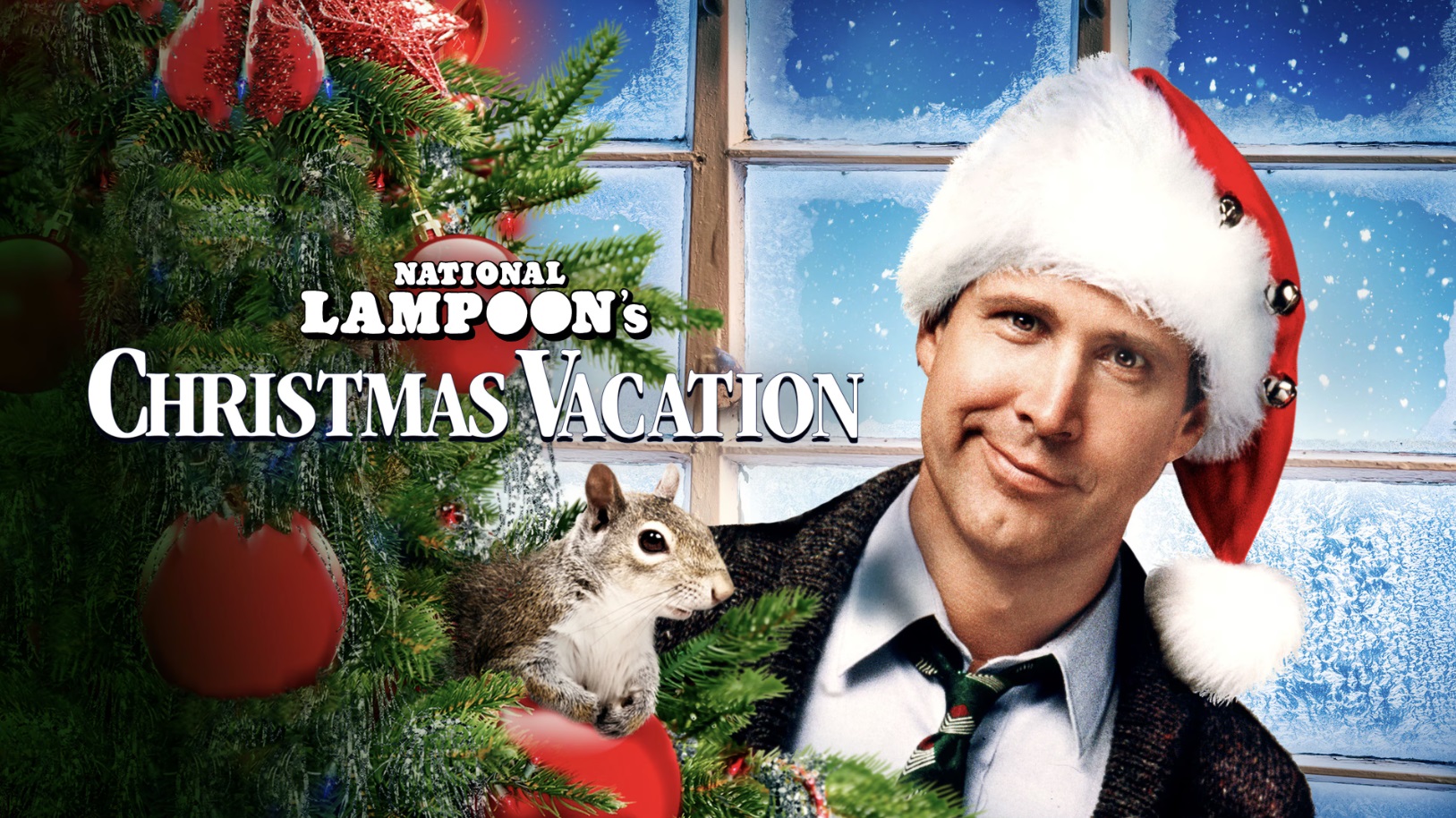
How One Suburban Meltdown Became the Definitive American Christmas Comedy, it's National Lampoon's Christmas Vacation - The Ultimate Guide
There are Christmas movies you watch and then there’s National Lampoon's Christmas Vacation - a movie you survive with every December. Loud, mean, sincere, unhinged and weirdly heartfelt, it is the rare holiday film that understands one simple truth: Christmas doesn’t bring out the best in people. It brings out the most honest version of them. Get National Lampoon's Christmas Vacation (4K Blu-Ray) on Amazon here!
Released at the tail end of the ’80s, National Lampoon's Christmas Vacation didn’t just close the decade - it crystallized it. This is the definitive guide to the film’s origins, cast, production history, box office performance, cultural legacy and why Clark Griswold remains the most relatable holiday hero ever put on screen.
National Lampoon's Christmas Vacation Fast Facts
Cast: Chevy Chase, Beverly D'Angelo, Randy Quaid, Juliette Lewis, Johnny Galecki, Doris Roberts, Julia Louis-Dreyfus, Diane Ladd, John Randolph
Writer: John Hughes
Director: Jeremiah Chechik
Release Date: December 1, 1989
Run Time: 97 minutes
Budget: $25 million
Box Office: $73.3 million
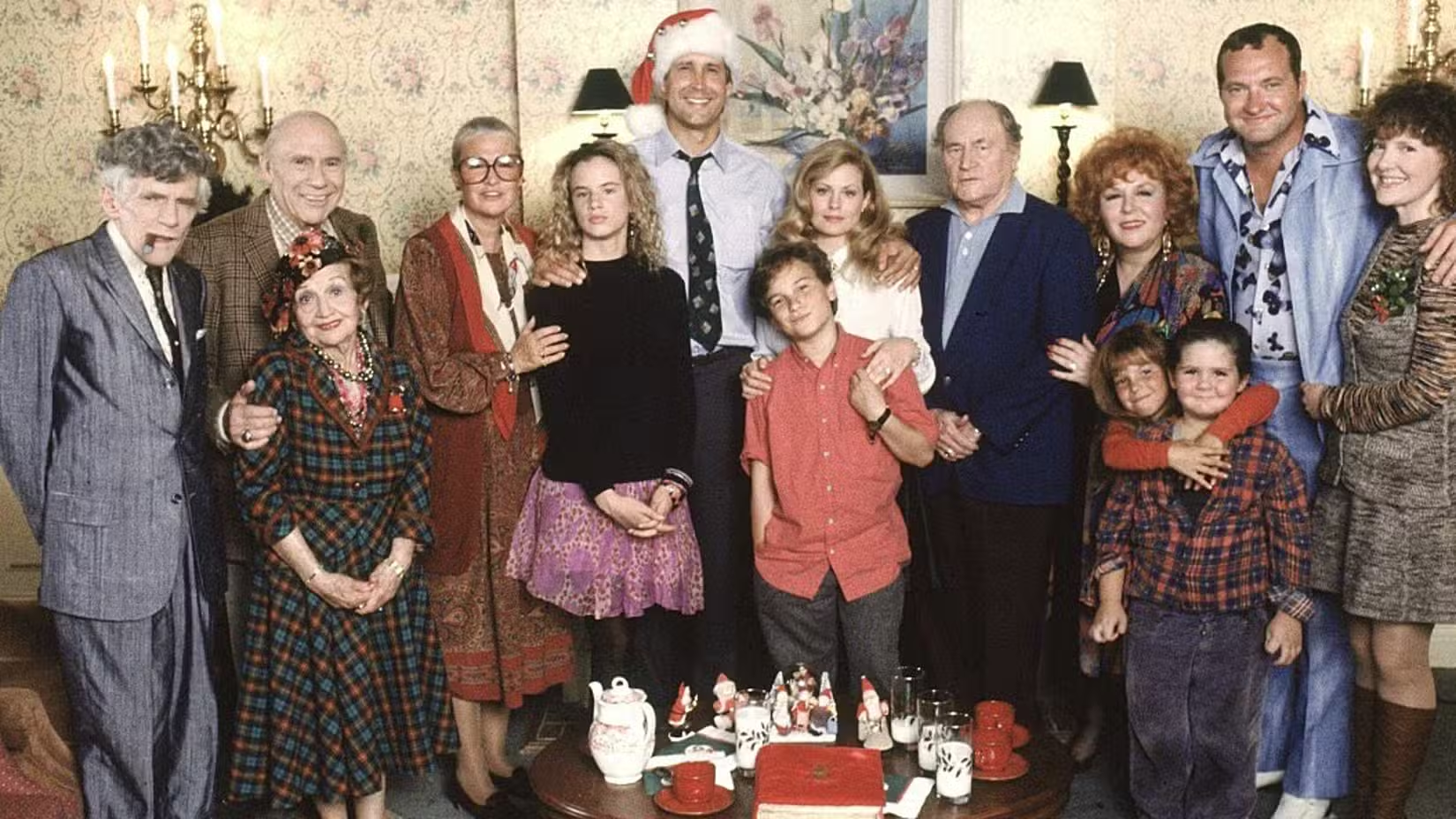
From Road Trips to Christmas Hell: Where the Movie Came From
The film is the third theatrical entry in the Vacation series, following Vacation (1983) and European Vacation (1985). Rather than sending the Griswolds on another journey, the creative team made a crucial pivot: trap Clark at home.
The screenplay was written by John Hughes, adapting his short story “Christmas ’59” from National Lampoon magazine. That story - about a father whose vision of the perfect Christmas collapses under the weight of relatives, expectations and reality - became the backbone of the film.
Unlike earlier Vacation movies, Christmas Vacation is not about external disasters. It’s about internal pressure - the kind that builds quietly until someone snaps in a living room rant that feels uncomfortably familiar.

Why National Lampoon’s Christmas Vacation Became So Big Without a Traditional Plot
National Lampoon's Christmas Vacation is often described as “plotless,” but that description misunderstands what the film is actually doing. The movie doesn’t move forward the way stories usually do. Nothing is chased, solved, or overcome in a conventional sense. Instead, the film allows time, pressure and expectation to accumulate until they become unbearable.
That structure mirrors the lived experience of Christmas far more accurately than any three-act holiday narrative. Christmas is not a quest. It is a slow, inescapable buildup of obligations, traditions, financial anxieties, and emotional performance. The film doesn’t need a plot because its engine is stress. Each scene adds weight rather than momentum, and the audience feels that weight instinctively, often without realizing why.
Clark Griswold, played by Chevy Chase, is not trying to save Christmas or learn a lesson. He is trying to justify himself. His fixation on lights, hosting, and the Christmas bonus comes from a belief that effort should be rewarded, that sacrifice should be visible, and that this one perfect holiday might prove he has done something right with his life. That makes him far more relatable than a traditional holiday hero. His unraveling is not exaggerated for comedy; it is exaggerated because memory exaggerates, and because emotional collapse rarely arrives all at once.
When the movie premiered in 1989, audiences laughed at the spectacle. Over time, something shifted. Viewers aged into Clark’s anxiety. The longer the film existed, the more accurate it felt. The things that once seemed cartoonish - corporate indifference, family entitlement, financial pressure, social obligation - became increasingly familiar. The movie didn’t predict the future; it simply waited for the audience to catch up.
Its cultural explosion was sealed by television. Like A Christmas Story, Christmas Vacation proved uniquely compatible with repeat viewing. The absence of a rigid plot allows scenes to function as self-contained memories rather than steps in a story. People could enter the film at any point and still feel oriented. Over time, it stopped being something viewers sat down to watch and became something that lived in the room during the holidays. That passive presence turned it into ritual.
What ultimately made Christmas Vacation endure is that it refuses to promise transformation. The ending does not fix Clark’s life or resolve his insecurities. It merely releases the pressure long enough for everyone to sit together in the aftermath. That restraint is why the film feels honest. It doesn’t insist that Christmas makes people better. It suggests that surviving it together might be enough.
The movie became big because it didn’t sell fantasy. It sold recognition. It didn’t tell audiences who they should be at Christmas. It showed them who they already are, then let them laugh about it.
That is not a lack of plot.
That is a refusal to lie.
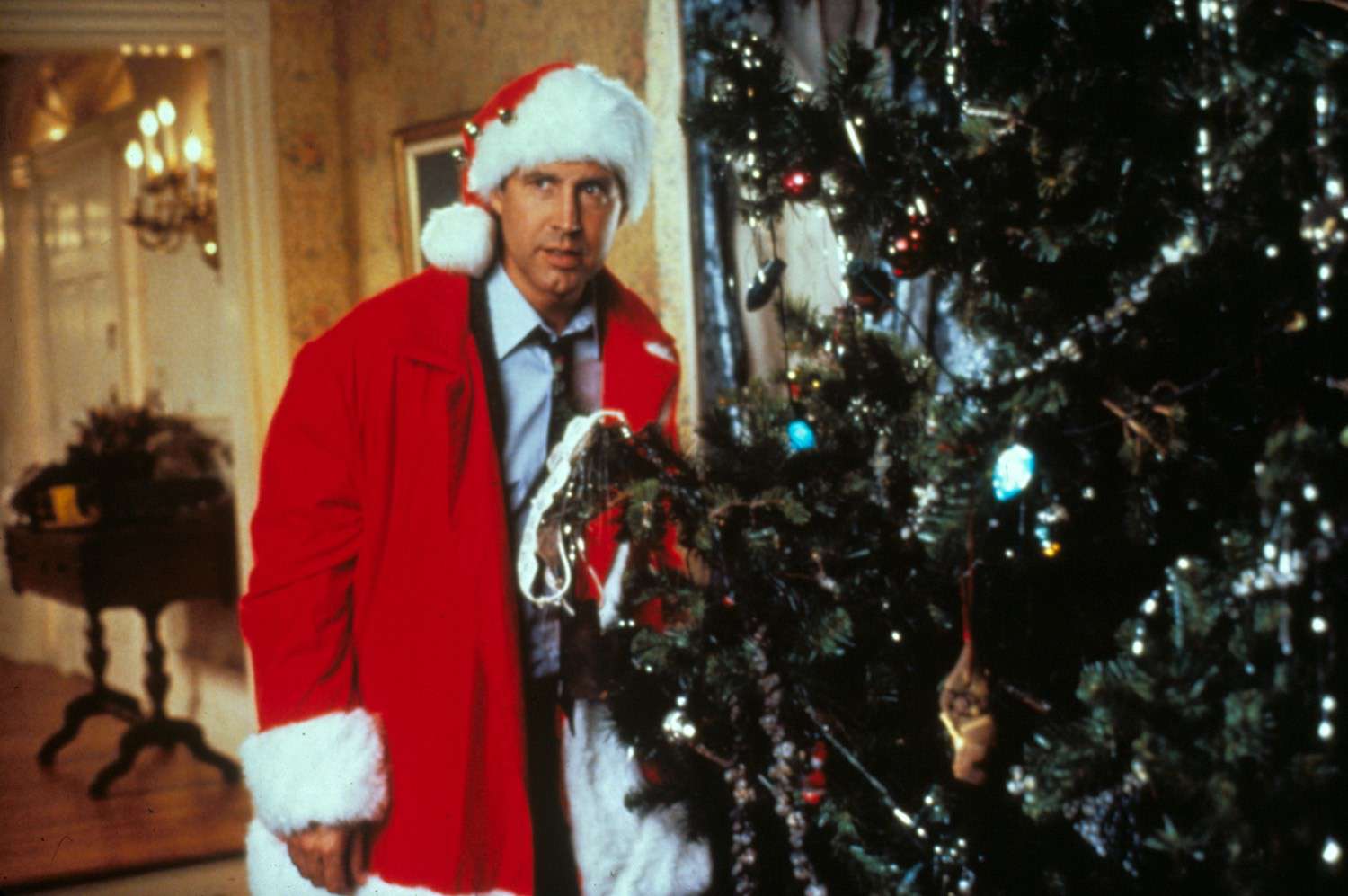
The Cast and Characters of National Lampoon's Christmas Vacation
Clark Griswold: The Patron Saint of Holiday Burnout
At the center of the chaos is Clark Griswold, played by Chevy Chase in what many consider his most enduring role. Clark isn’t stupid, cruel, or malicious. He’s desperate - desperate for approval, validation and one perfect Christmas moment that proves his effort mattered.
Clark’s obsession with decorating the house, hosting family, and securing his Christmas bonus isn’t greed. It’s validation. He wants his family to look at him and think, You did it. You nailed Christmas.
That’s what makes his breakdown so cathartic. It’s not villainy - it’s exhaustion.
The Griswold Family (and Extended Chaos)
Beverly D'Angelo grounds the film as Ellen Griswold, the emotional firewall holding the family together. Ellen is the audience surrogate - aware that everything is going wrong, but committed to surviving it with dignity intact.
The kids, now played by Juliette Lewis and Johnny Galecki, function less as characters and more as witnesses to generational dysfunction, which is honestly the most realistic portrayal of teenagers in a Christmas movie.
Then there’s Cousin Eddie.
Randy Quaid's Eddie is either the most annoying character in cinema or the most honest. He represents the relatives you didn’t invite, can’t escape, and feel guilty for resenting. Eddie doesn’t ruin Christmas maliciously - he simply exists at maximum volume.
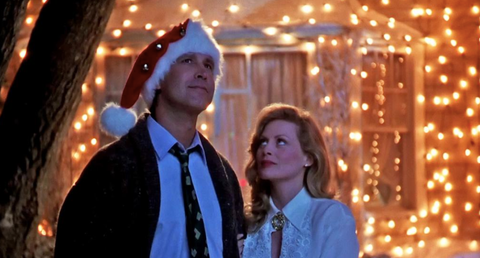
The Lights: Spectacle as a Cry for Help
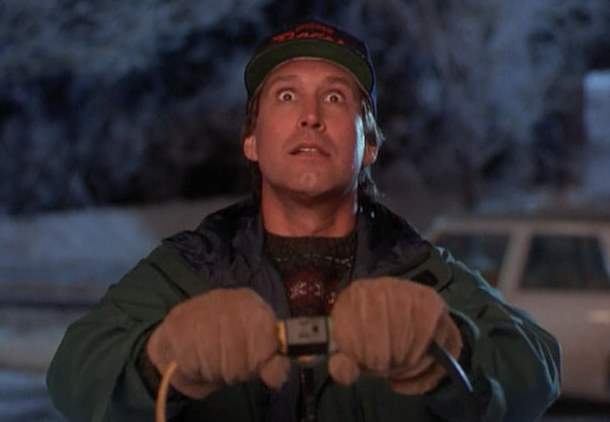
Clark’s lighting display is the film’s most iconic image: tens of thousands of bulbs, painstakingly installed, disastrously wired, and activated only after divine intervention from a neighboring power plant.
The lights are not about Christmas cheer. They are about being seen. Clark doesn’t just want to decorate - he wants proof that all of this effort means something.
When the lights finally turn on, it’s not triumph. It’s release.
The Bonus, the Rant, and the American Nightmare
Everything in Christmas Vacation builds toward one scene: Clark discovering that his long-promised Christmas bonus has been replaced with a subscription to the Jelly of the Month Club.
What follows is one of the most quoted rants in movie history - not because it’s funny (it is), but because it’s honest. Clark articulates the resentment, rage and humiliation that come from tying your self-worth to corporate promises and holiday expectations.
It’s not a joke. It’s therapy.
Release, Box Office, Home Video and Reception
Christmas Vacation was released on December 1, 1989 and debuted at #2 at the box office making $11.7 million in its first weekend. By its their week in theaters, the film hit #1 where it stayed for an additional week.
It grossed approximately $71 million worldwide on a budget of around $25 million, making it the highest-grossing film in the Vacation franchise at the time.
Critical reception was mixed upon release. Some critics found it mean-spirited or repetitive. What they missed was the film’s long game. This movie wasn’t built for critics. It was built for audiences. And it was built for repeat viewing.
Christmas Vacation was released on DVD in 1997, Blu-Ray in 2006 with a special edition Blu-Ray in 2009 and a 4K UHD Blu-Ray in November 2022.
Why Christmas Vacation Became a Holiday Institution
Unlike many Christmas movies, Christmas Vacation doesn’t sell nostalgia - it sells recognition. Every joke lands because it’s rooted in something real: bad relatives, financial stress, marital tension, and the emotional labor of pretending everything is fine.
Cable television turned it into a ritual, but relatability turned it into a classic.
The older audiences get, the less Clark looks crazy - and the more he looks familiar.
Legacy: Why It Still Works
More than 35 years later, National Lampoon’s Christmas Vacation remains unmatched because it refuses to sanitize the holidays. It acknowledges that love and resentment often share the same room, that good intentions can still implode, and that sometimes the most meaningful Christmas moment is simply getting through it together.
Clark Griswold doesn’t save Christmas. He survives it.
And somehow, that’s more comforting than any miracle.
Final Thoughts on National Lampoon's Christmas Vacation
Christmas Vacation endures because it understands that the American Christmas isn’t about perfection - it’s about pressure. And the release of that pressure, even through laughter, is what keeps us coming back every year.
You don’t watch Christmas Vacation to feel inspired. You watch it to feel understood.
Want more Christmas fun? Check out:
5 Best & Worst Christmas Movies; Hardy Boys star Rohan Campbell
Best Christmas Show Ever (featuring Randy Rainbow)
Favorite Christmas Movies (& Getting Drunk with Amanda Baez)

On Air Talent / Creator / Author / Producer
Kyle McMahon is an American television personality, radio host, journalist, actor, singer and songwriter. He is known for appearing in Oprah's Lifeclass, the Oscar winning film Selma, hosting Pop Culture Weekly with Kyle McMahon on iHeart Radio and touring with LFO and O-Town.
Ultimate Guide to The Last Drive-In with Joe Bob Briggs