25 Years of Magic: How Harry Potter and The Lord of the Rings Changed Cinema Forever

In 2001, something quietly radical happened at the movies.
Within weeks of each other, Harry Potter and the Sorcerer’s Stone and The Lord of the Rings: The Fellowship of the Ring arrived in theaters and rewired what audiences expected from blockbuster storytelling.
At the time, neither was treated as a guaranteed win. Fantasy films were still considered risky. Multi-film commitments were very rare - almost nonexistent, in fact. “Worldbuilding” wasn’t a buzzword yet. Studios hoped for success but no one could fully predict what came next.
What followed was a cultural shift so complete and so massive that it’s now hard to remember a time before it.
Twenty-five years later, nearly every major franchise - superheroes, sci-fi sagas, streaming epics - owes a creative and commercial debt to these two films. Not because they were popular, but because they trained audiences to believe in long-form cinematic magic.
This is the story of how 2001 changed movies forever.
🎁 Get Harry Potter 8 Film Set (4K UHD Blu-Ray) on Amazon here!
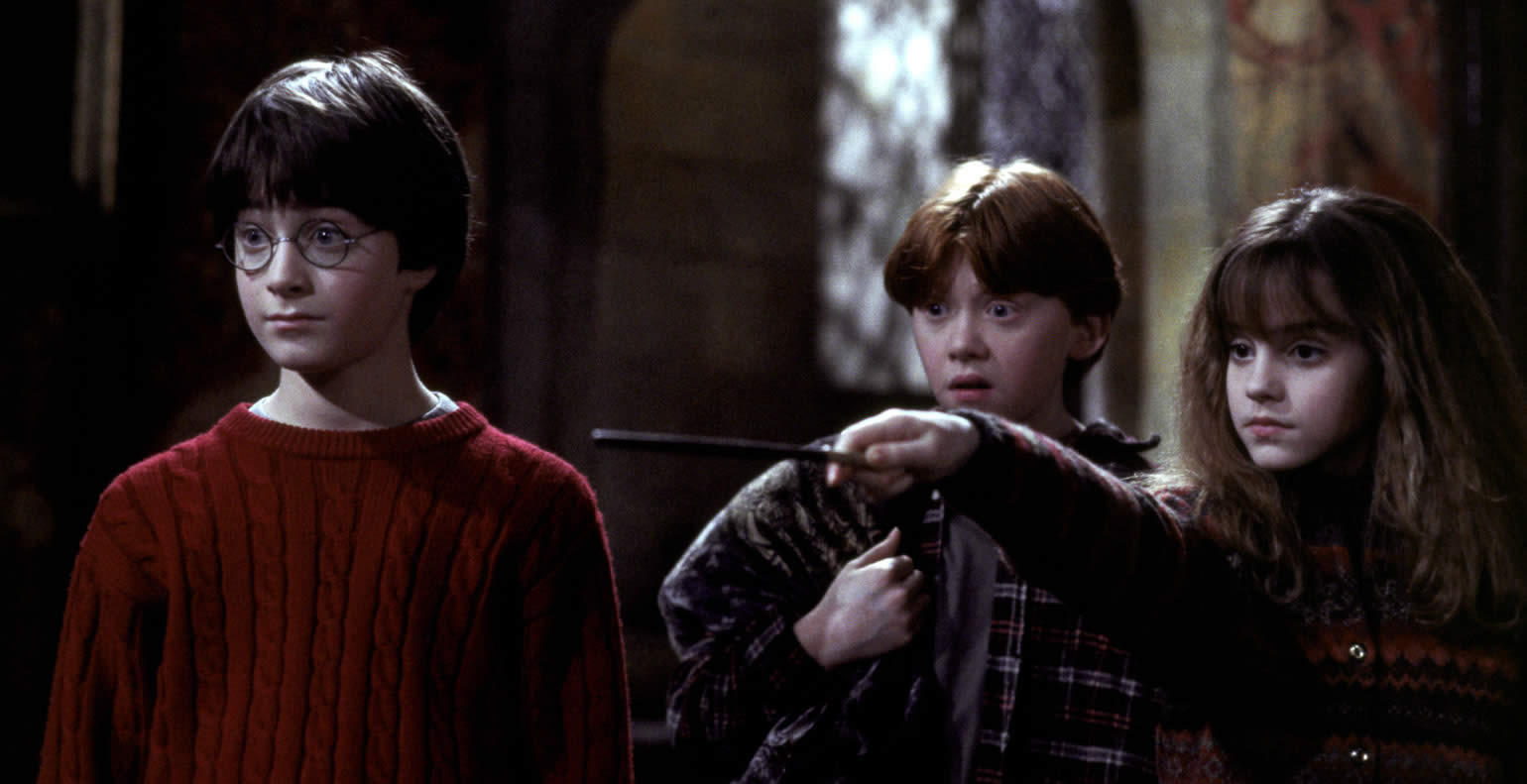
2001 Was a Turning Point, Not a Coincidence
Before 2001, Hollywood largely treated blockbusters as standalone events. Sequels happened, sure - but committing to entire sagas upfront was rare and risky. Franchises were reactive, not architectural.
Harry Potter and The Lord of the Rings shattered that model in two very different ways.
One invited audiences to grow up alongside its characters.
The other asked them to commit to a myth before the first chapter was finished.
Both of them worked.
And once they did, there was no going back.
Two Different Paths to the Same Revolution
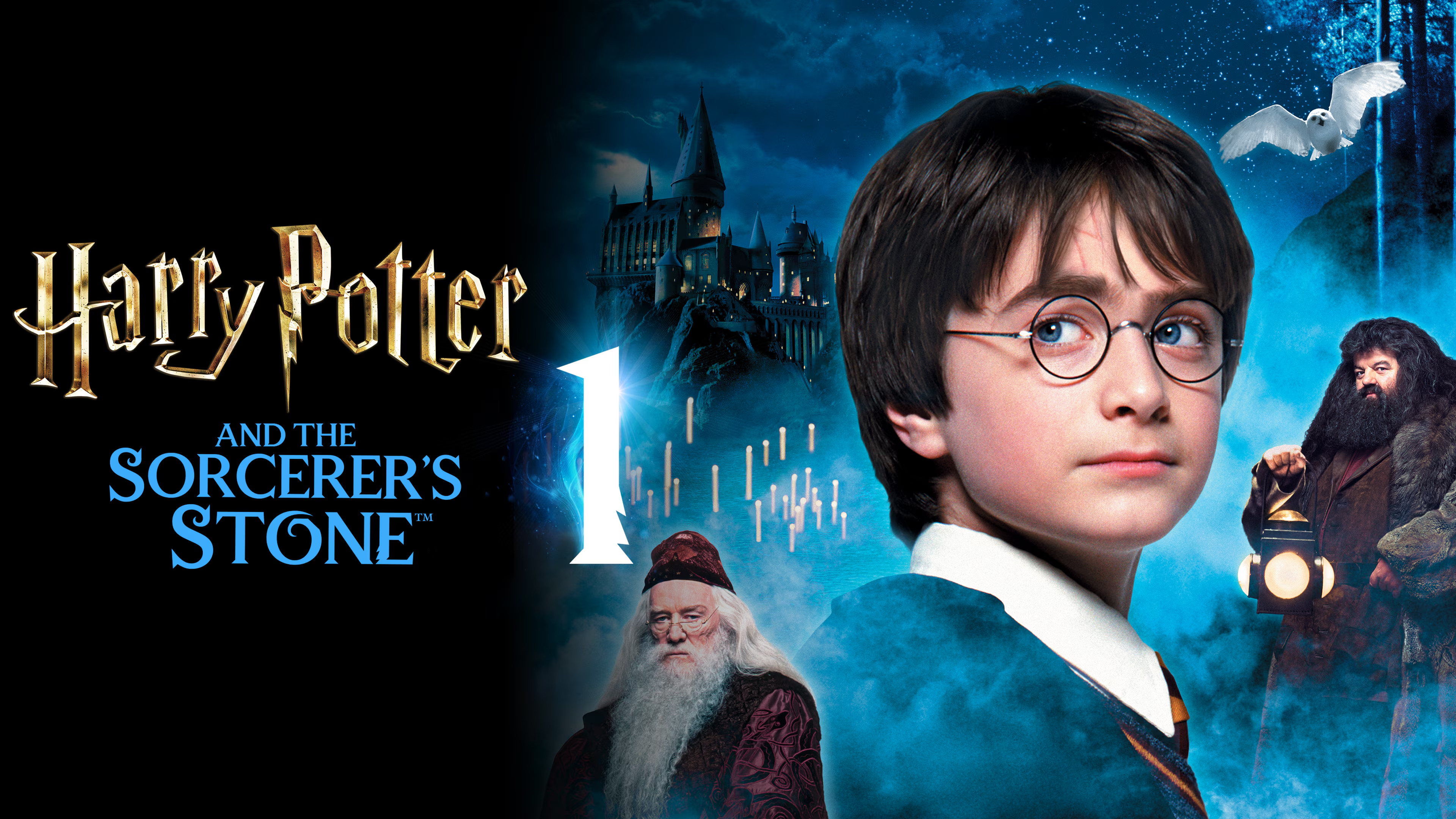
Harry Potter: Growing Up in Real Time
The genius of Harry Potter wasn’t just the books - it was timing.
The films began as approachable, almost cozy fantasy. Kids went to Hogwarts. Adults tagged along. But then something rare happened: the series aged with its audience. Each film grew darker, heavier, more emotionally complex - mirroring the lives of the people watching.
By the end, Harry Potter wasn’t just a franchise. It was a shared generational experience.
Hollywood learned a critical lesson here: audiences will stay loyal if you respect their emotional growth.
The Lord of the Rings: Taking Fantasy Seriously
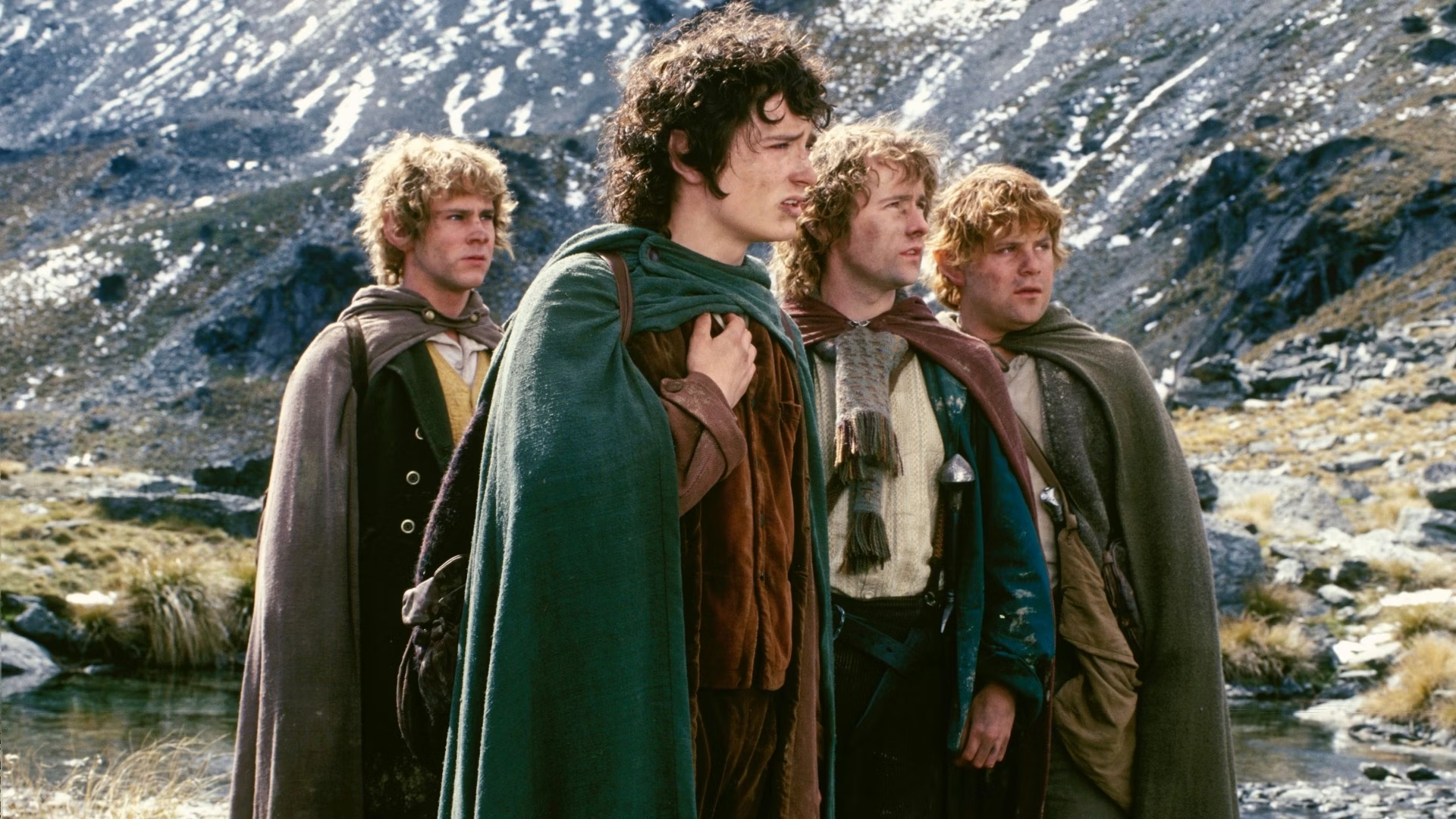
Where Harry Potter felt intimate, The Lord of the Rings felt monumental.
From the start, it treated fantasy not as escapism, but as epic literature brought to life. There was no winking irony, no softening of the mythology. It demanded patience - and it rewarded it.
Audiences were asked to remember names, histories, languages, and moral codes. And shockingly, they did.
The message to Hollywood was clear: people will follow complex worlds if you commit fully to them.
That lesson echoes through prestige television, cinematic universes, and every “this is our next epic” pitch deck to this day.
The Franchise Blueprint They Invented (Before It Had a Name)
Together, Harry Potter and The Lord of the Rings built the modern franchise playbook almost accidentally:
They proved audiences would:
Commit to multi-film stories years in advance
Follow consistent casts over a decade or more
Reward long-term narrative planning
Embrace lore, maps, appendices, and extended editions
They also reframed success. Box office mattered - but so did longevity, rewatchability and cultural footprint.
Without 2001, the idea of audiences patiently waiting years for interconnected storytelling simply doesn’t exist at this scale.
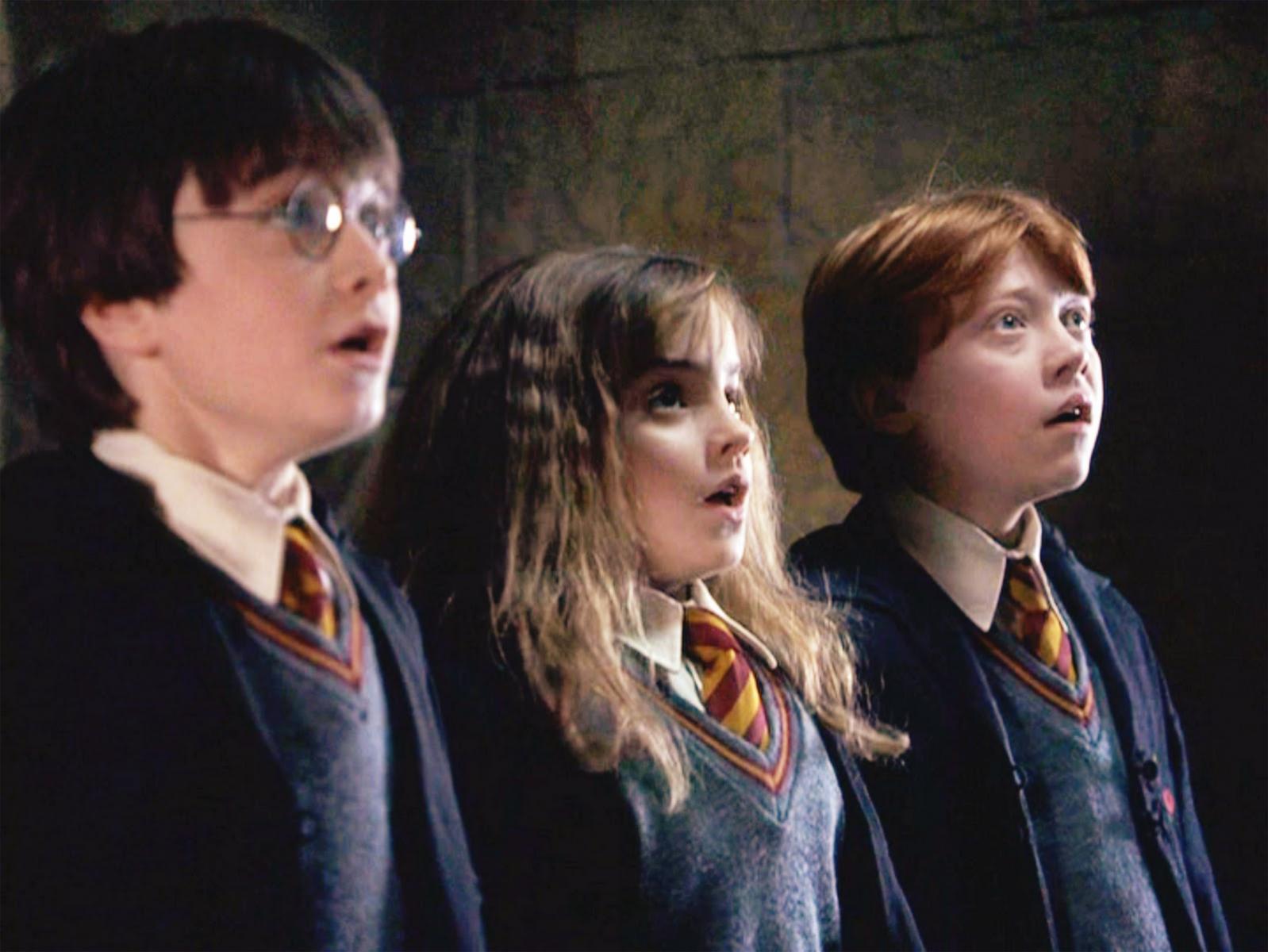
Where Are They Now? The Cast, 25 Years Later
This is where the anniversary becomes especially fascinating.
The Harry Potter Effect
The Harry Potter cast grew up under an intensity few actors ever experience. Some ran from the franchise. Others embraced it. Nearly all spent years redefining themselves outside of wizarding robes. But it made household names out of its 3 child stars. Daniel Radcliffe, Rupert Grint and Emma Watson.
What makes their careers interesting isn’t just success - it’s divergence. The franchise didn’t produce clones; it produced wildly different paths.
That variety is part of the legacy.
🚩 Check out the Harry Potter Cast: Where Are They Now? blog post.
🔊 Listen to my interviews with Daniel Radcliffe here and Rupert Grint here!
The Lord of the Rings Effect
The Lord of the Rings ensemble emerged as something else entirely: modern myth-bearers.
Many of its actors moved fluidly between film, television, stage, and voice work. Some became permanent fixtures of genre storytelling. Others stepped away and returned when the mythology called again.
What unites them is longevity. The trilogy didn’t freeze them in time - it gave them gravity.
For Google, for fans, and for history, these careers remain inseparable from that 2001 launch point.
🚩 Check out The Lord of the Rings Cast: Where Are They Now? blog post here
The Cultural Aftershocks Are Still Happening
Twenty-five years later, the ripples haven’t stopped. Theme parks still draw massive crowds. Annual rewatches remain ritualized. New fantasy projects are inevitably compared to that feeling from the first time Hogwarts or Middle-earth appeared onscreen.
Even now, new franchises aren’t just competing with modern hits - they’re really competing with memory.
And that’s an unfair fight. But it's great for us.
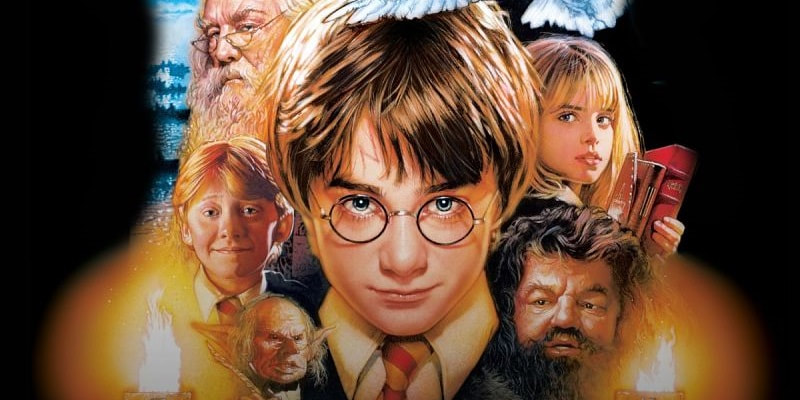
Why Nothing Has Fully Replaced Them
Plenty of franchises have tried. Some succeeded financially. Few succeeded culturally.
What Harry Potter and The Lord of the Rings offered wasn’t just spectacle - it was trust. Trust that the story mattered. Trust that the ending was planned. Trust that the audience wasn’t being strung along indefinitely.
In an era of endless content, that kind of confidence feels rare. Which is why these worlds still feel safe to return to.
25 Years Later, the Lesson Still Holds
In 2001, Hollywood learned something it keeps relearning the hard way:
Treat genre seriously.
Respect your audience’s intelligence.
Build worlds, not just sequels.
And let stories end.
That’s the real magic that’s lasted 25 years. Not spells. Not swords. But belief.
You May Like:
📍 The Ultimate Guide to The Wizarding World of Harry Potter
📍 The Ultimate Guide to Harry Potter and the Sorcerer's Stone
📍 Interviews with The Lord of the Rings: The Rings of Power cast
Frequently Asked Questions: 25 Years of Magic (Harry Potter + Lord of the Rings)
Why is 2026 the 25th anniversary for both franchises?
Because both landmark films debuted in 2001 - Harry Potter and the Sorcerer’s Stone and The Lord of the Rings: The Fellowship of the Ring - making 2026 their 25-year anniversary.
Which movies count for this anniversary?
This anniversary specifically celebrates the two theatrical releases that launched each film saga in 2001: Harry Potter and the Sorcerer’s Stone and The Fellowship of the Ring.
How did Harry Potter change cinema?
Harry Potter proved audiences would commit to long-running, character-driven franchise storytelling, especially when the cast grows up in real time and the tone evolves with the audience.
How did The Lord of the Rings change cinema?
The Lord of the Rings proved fantasy could be treated as serious, epic filmmaking - with deep worldbuilding, mythic storytelling, and awards-level craft that influenced modern blockbusters and prestige TV.
Which franchise had the bigger impact: Harry Potter or Lord of the Rings?
They impacted cinema in different ways. Harry Potter normalized “growing-up-with-the-franchise” storytelling, while LOTR set the gold standard for epic, mythic worldbuilding and big-screen seriousness.
Why are people still obsessed with these movies 25 years later?
Because they’re not just films - they’re comfort worlds with strong characters, rewatchable stories and a sense of trust that the creators were building toward something meaningful.
Where are the casts now?
Many cast members went on to major careers in film, TV, theater, voice work, and directing. The article’s “Where Are They Now?” section connects the biggest names back to this shared 2001 milestone.
Where can I stream Harry Potter and The Lord of the Rings in 2026?
Streaming rights change constantly by region. The best approach is to check your preferred platforms and search around the anniversary, since collections and spotlight programming often appear during major milestones.

On Air Talent / Creator / Author / Producer
Kyle McMahon is an American television personality, radio host, journalist, actor, singer and songwriter. He is known for appearing in Oprah's Lifeclass, the Oscar winning film Selma, hosting Pop Culture Weekly with Kyle McMahon on iHeart Radio and touring with LFO and O-Town.
Ultimate Guide to The Last Drive-In with Joe Bob Briggs